Cordillera Blanca - Ice Climbing - Ishinca and Tocllaraju - Peru
7-day expedition to ice climb two peaks in the Cordillera Blanca
- DateJune 12, 2027
- Duration8 days
- Meeting PointHuaraz, Peru
- DifficultyDemanding
- Availability6 spots
The trip
The most tropical mountain range
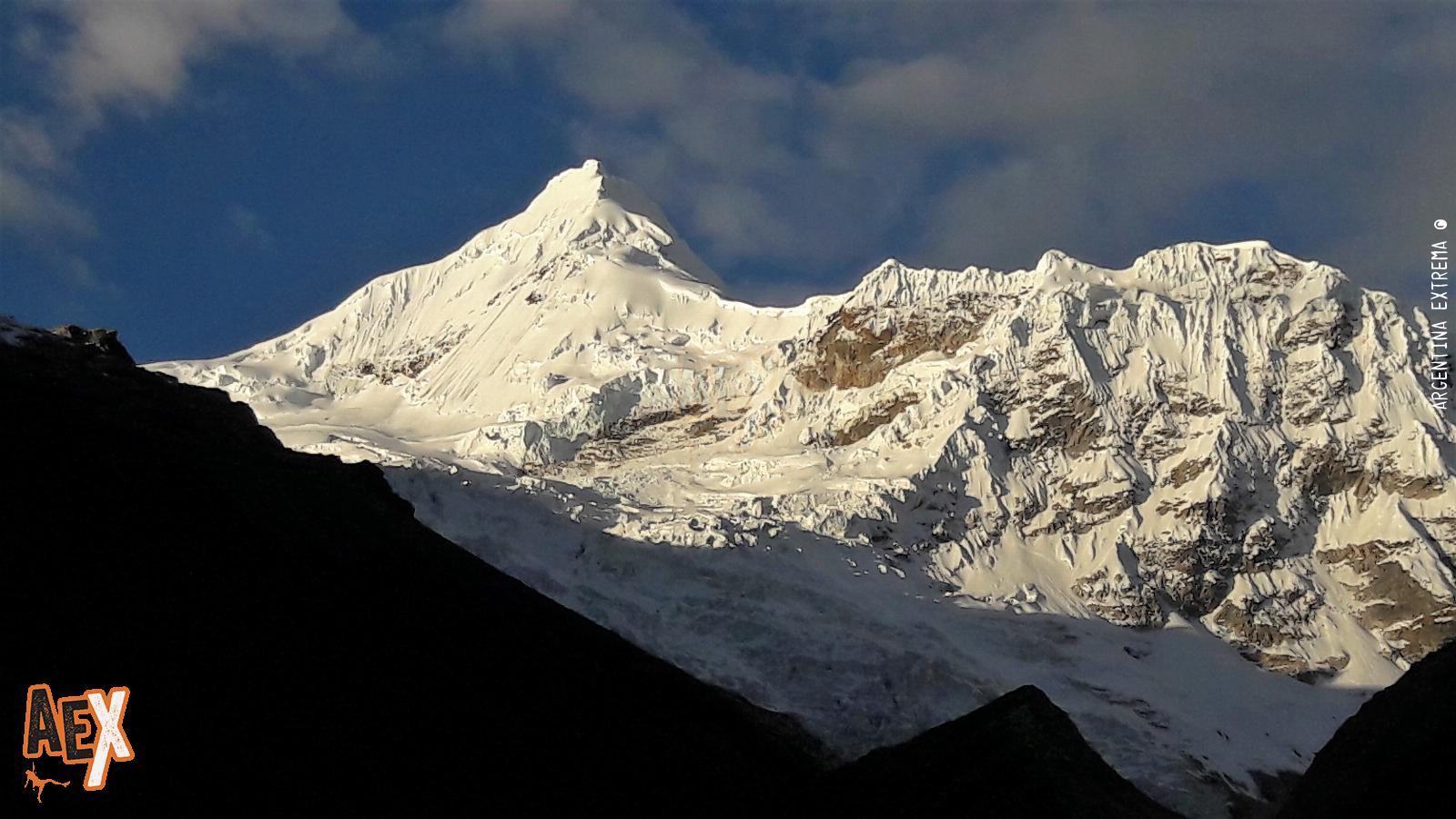
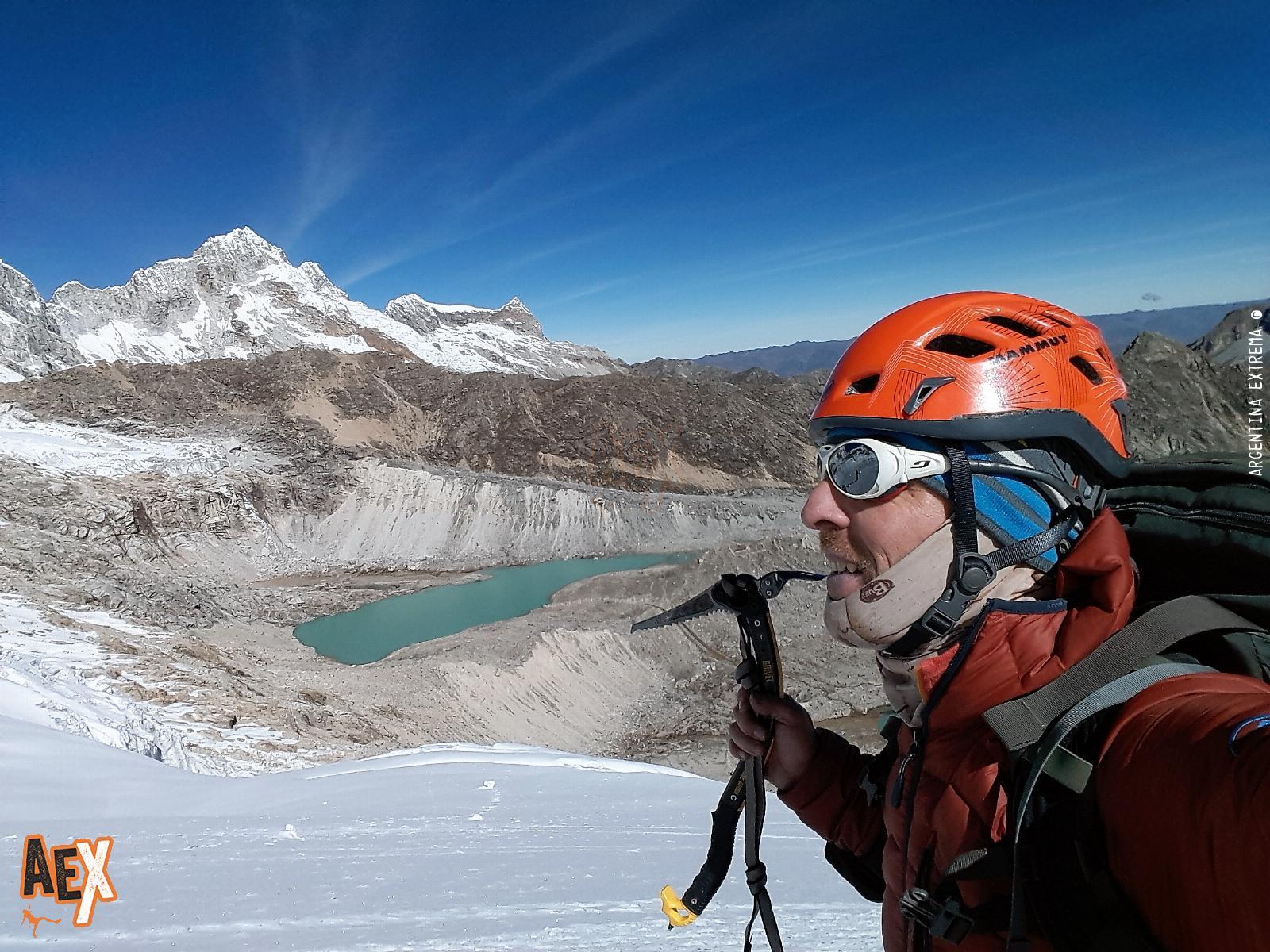
There are places in the world that stand out from the rest through sheer beauty. The Cordillera Blanca, located in the center of Peru as part of the great backbone that is the Andes, has earned a special distinction: the tropical mountain range of the Americas. Its mountains keep their slopes and summits snow-covered for much of the time, and many of them have technical faces that call for technical progression on glaciers and ice climbing.
Sweeping landscapes of green meadows, deep valleys, blue lagoons, and white, sheer mountains burst into view in this magical corner of the imposing Cordillera Blanca.
We include a basic Ice Climbing and glacier roping course.
Planned itinerary:
Day 1:. Huaraz (3300 masl): Meeting in the city of Huaraz, after the trip from Lima (can be by bus or light aircraft; ask us). Free acclimatization day getting to know the city. Overnight at a hostel
Day 2: Huaraz, rest day in the city. Hydration and acclimatization. Option of excursions at altitude. Night at the hostel.
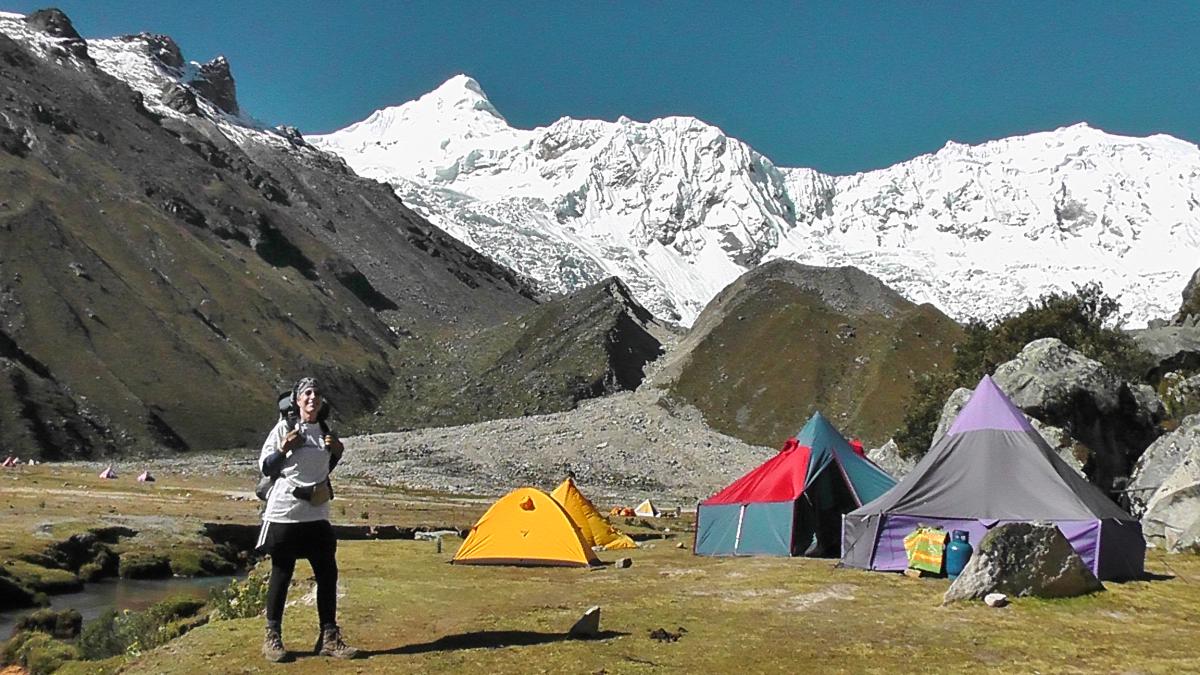
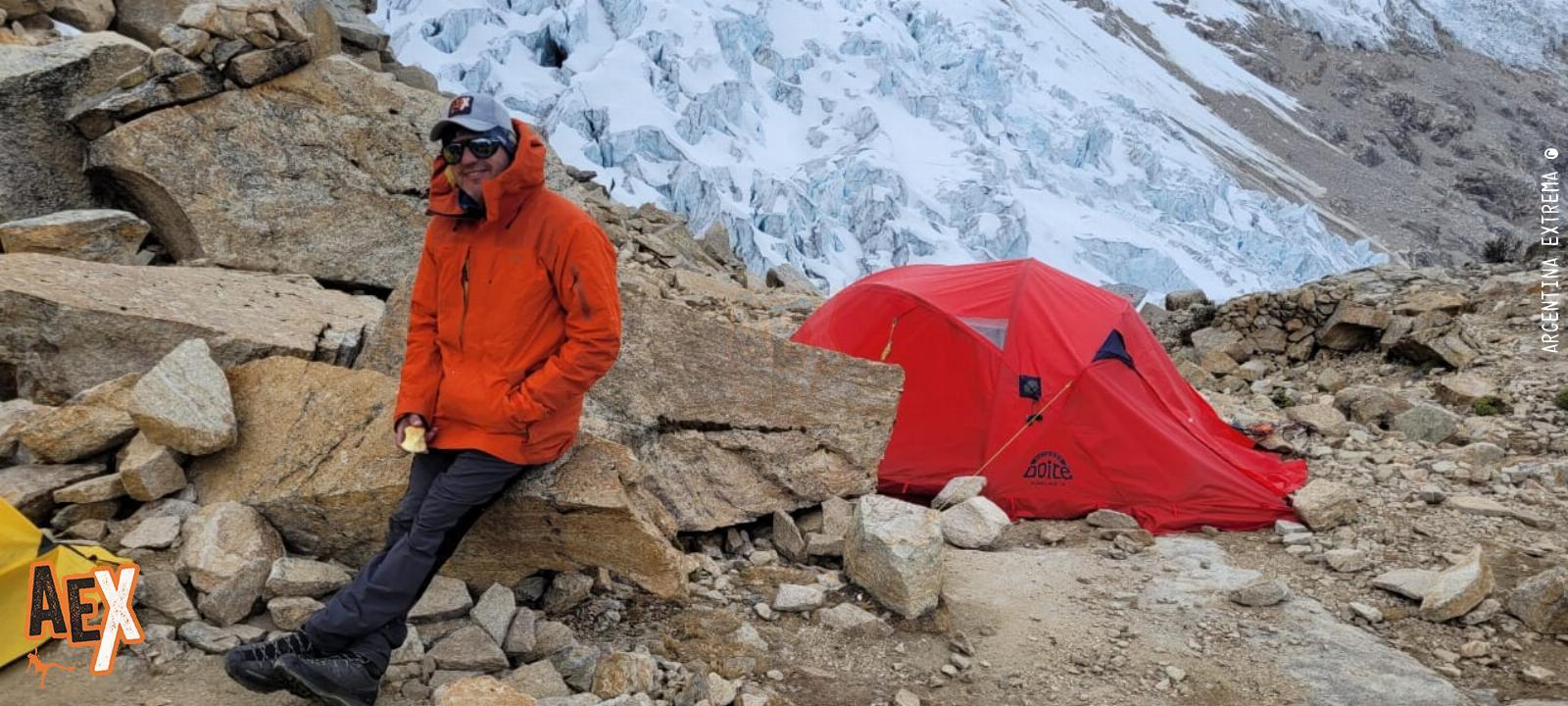
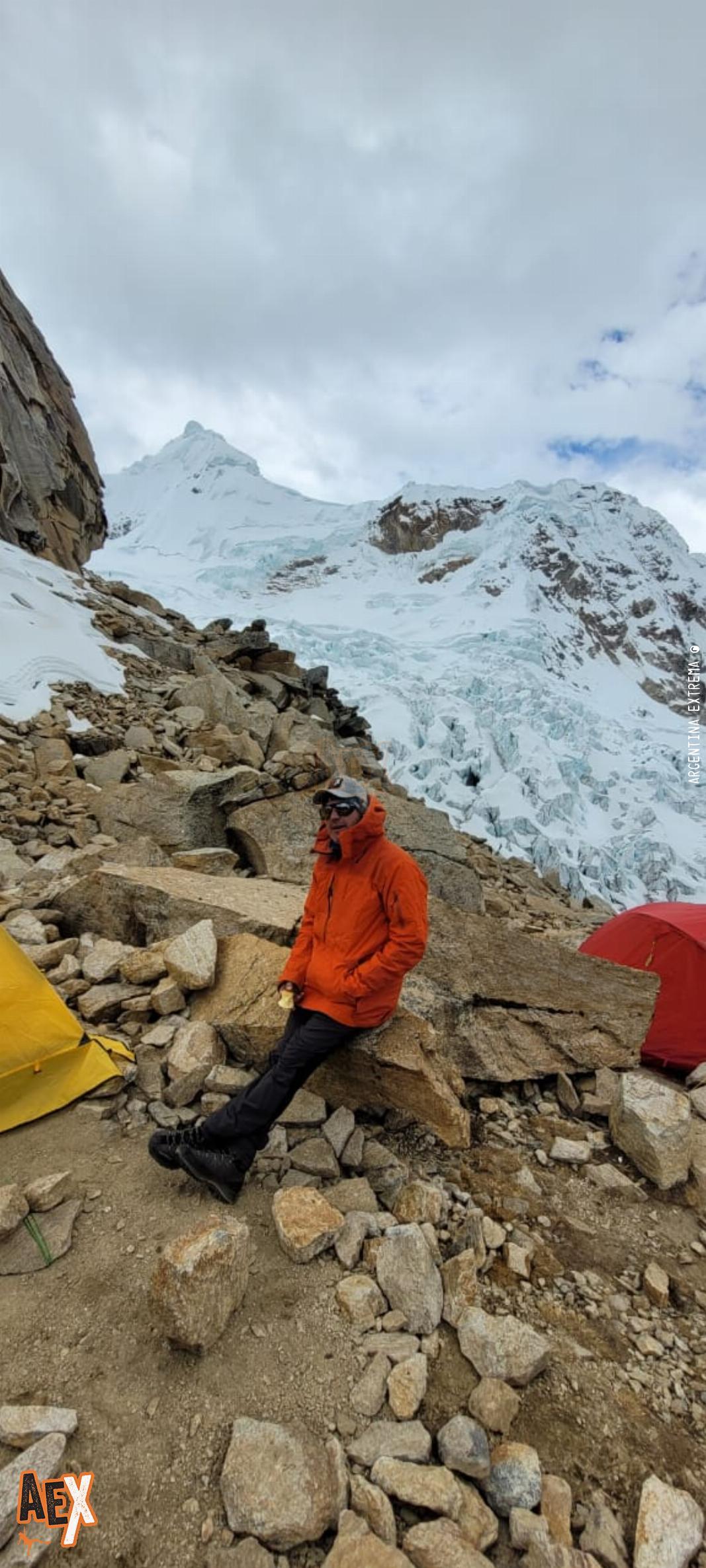
Day 3: Huaraz-Base Camp. Vehicle transfer to Pashpa. There our hike begins (donkeys carry the general equipment). In the afternoon we reach base camp, at 4390 masl, where there is a large refuge. Setting up camp, hydration, rest. Dinner and overnight.
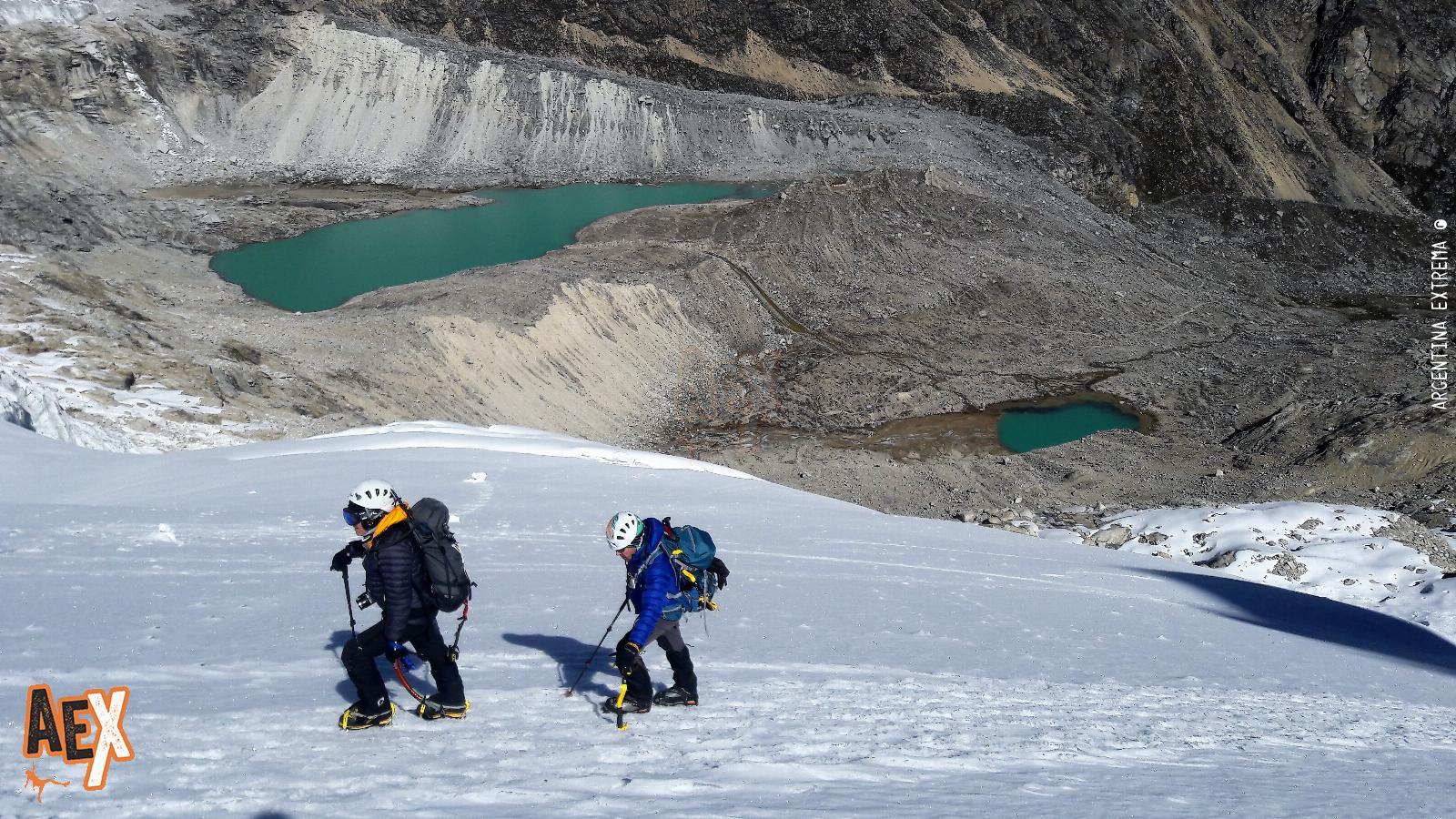
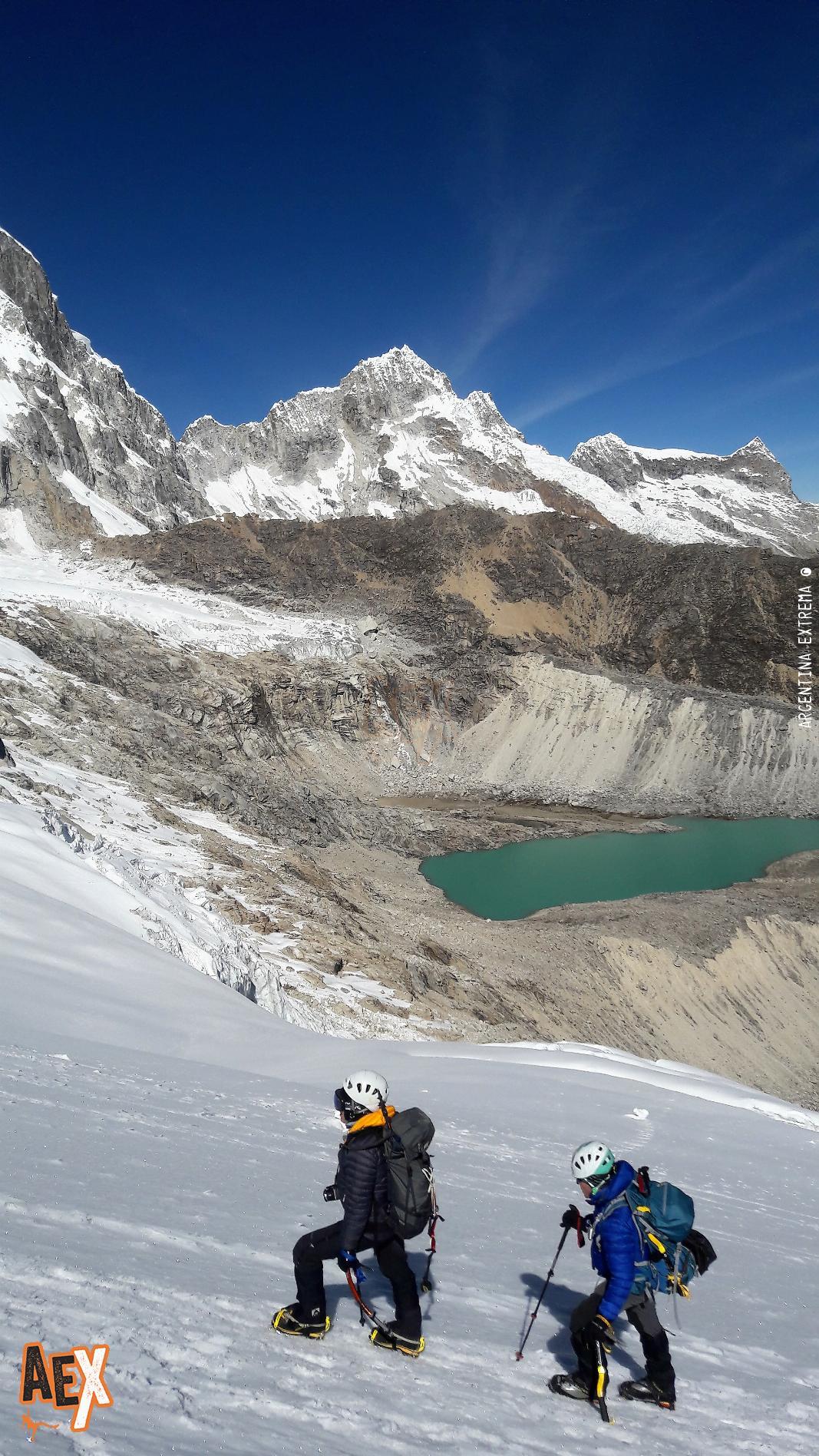
Day 4: Full rest day at Base Camp. Short walks, scouting the area, first practice sessions and technical talks on climbing in this type of terrain. Rope-team practice.
Day 5: Load-carrying day to Tocllaraju's high camp, return to Base Camp.
Day 6: Ascent to Tocllaraju's high camp (Morrenas camp), at 5200 masl. We climb slowly to this camp with each person's personal gear. Night in a high-mountain tent.
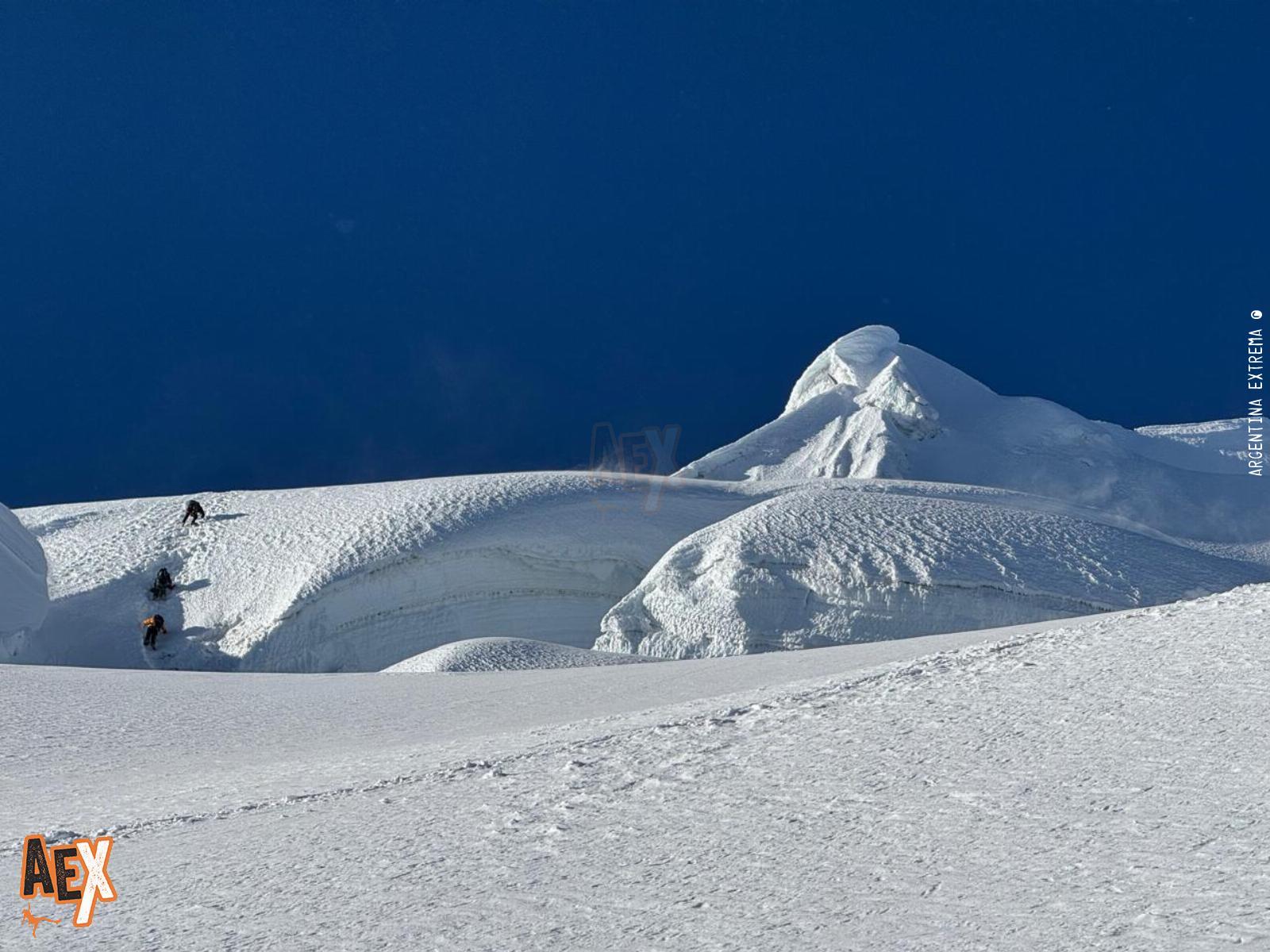
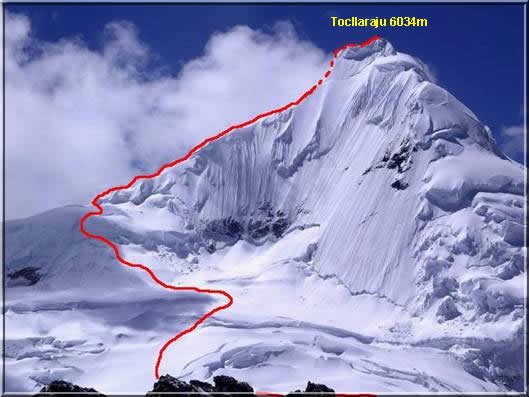
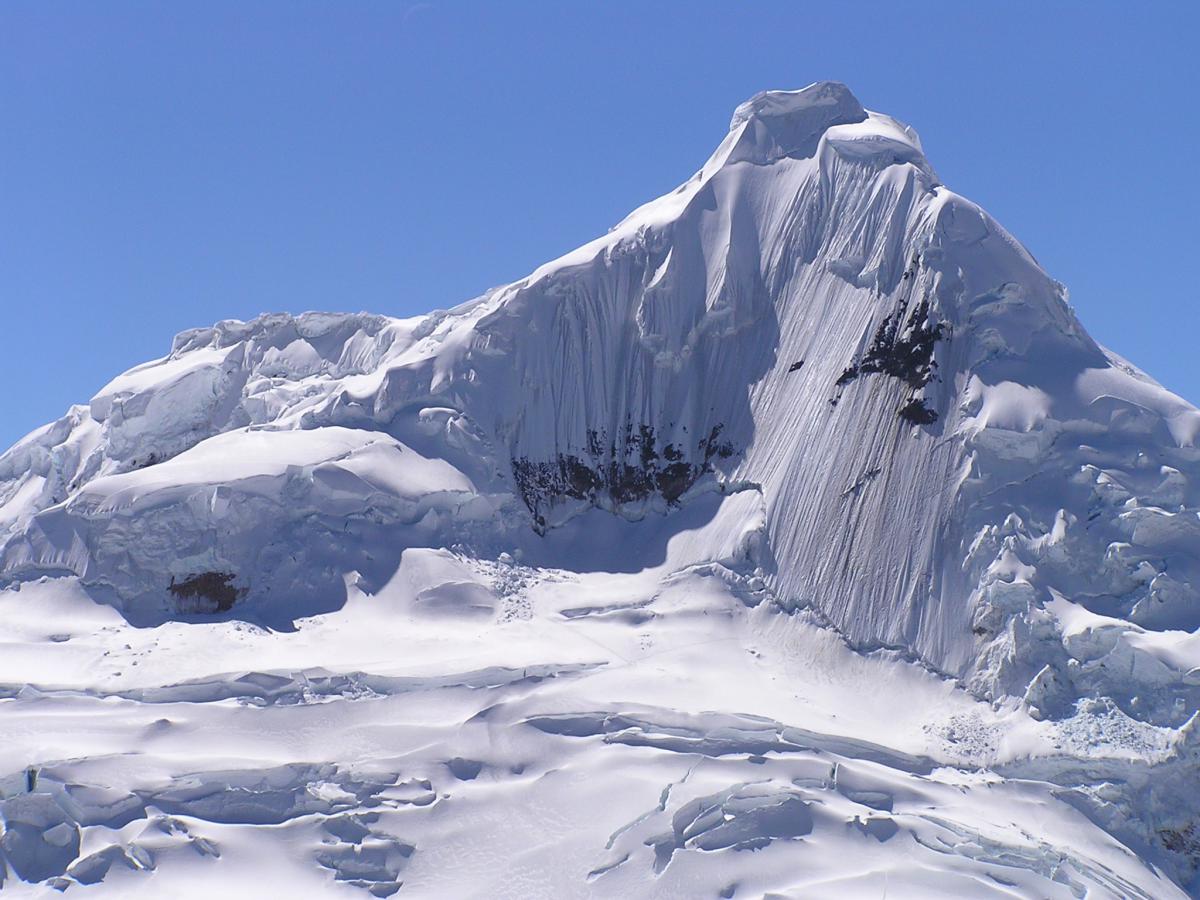
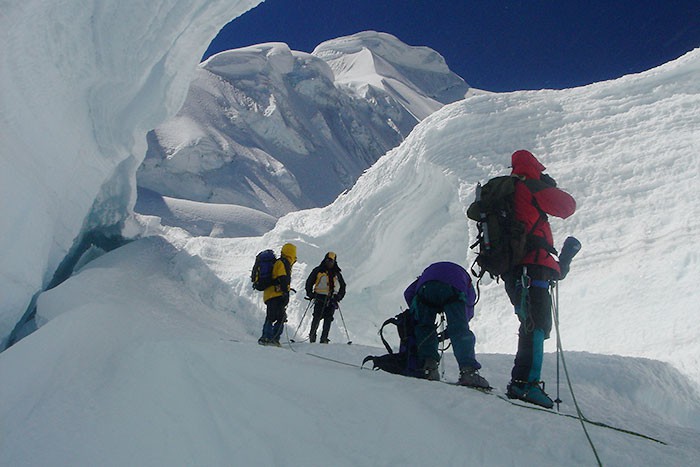
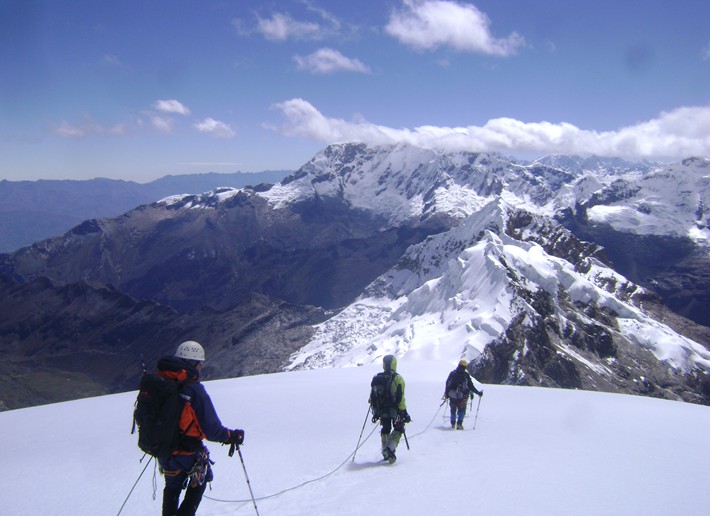
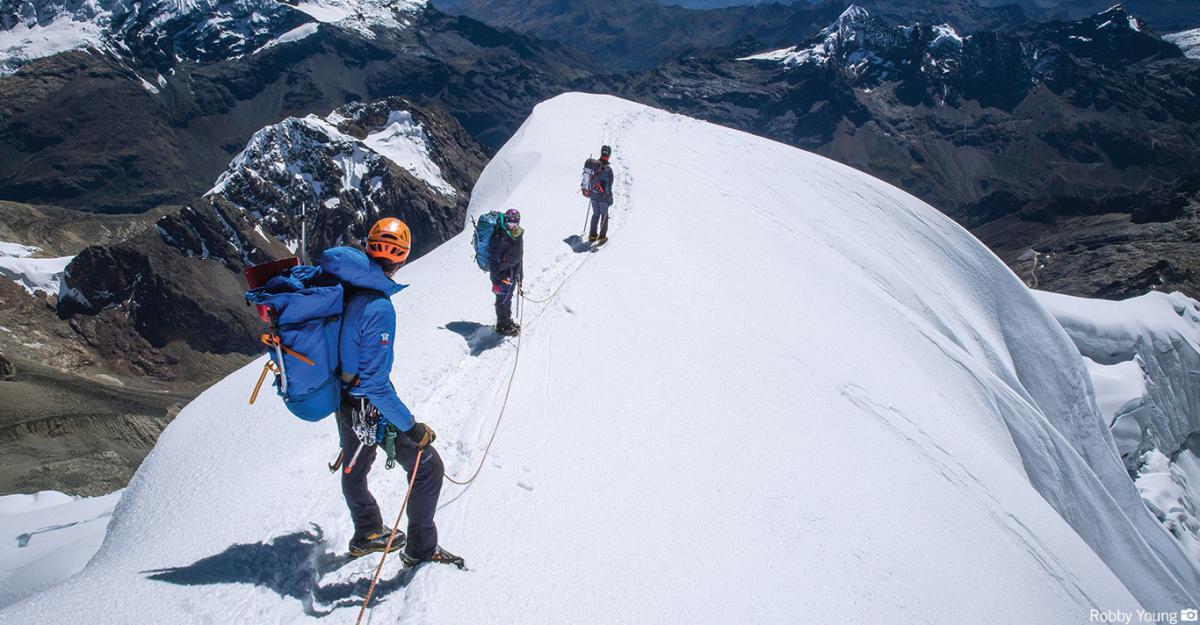
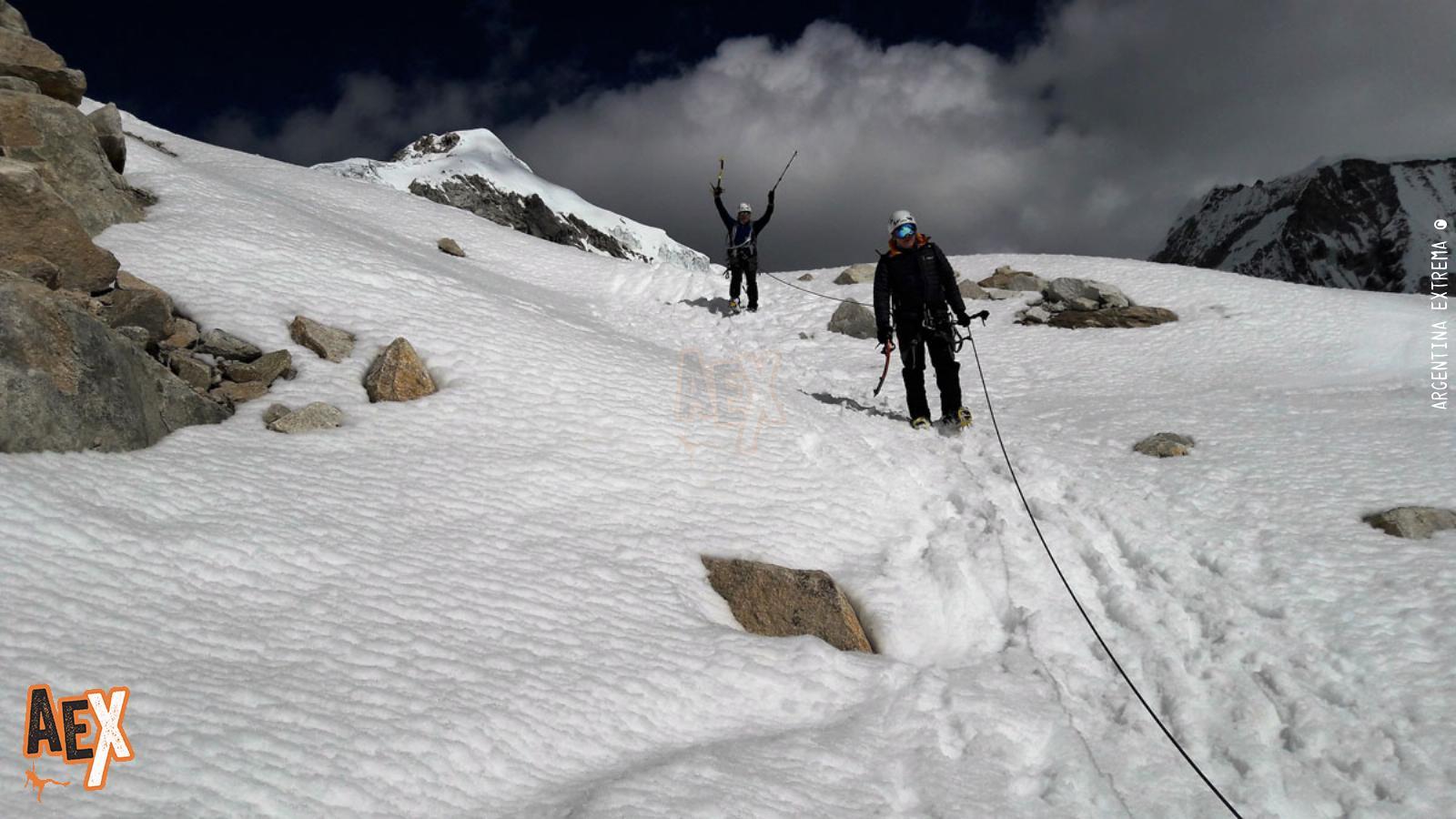
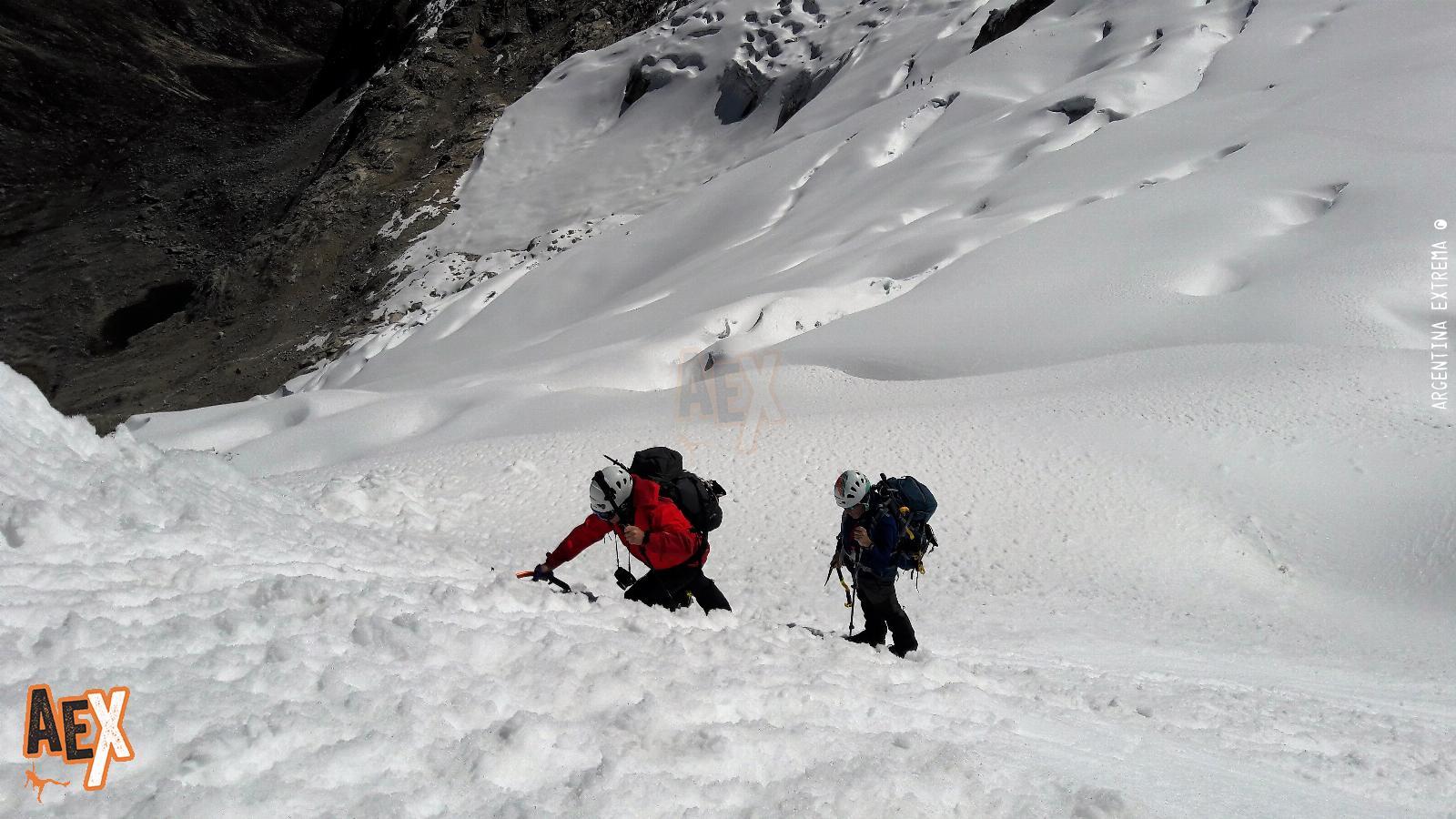
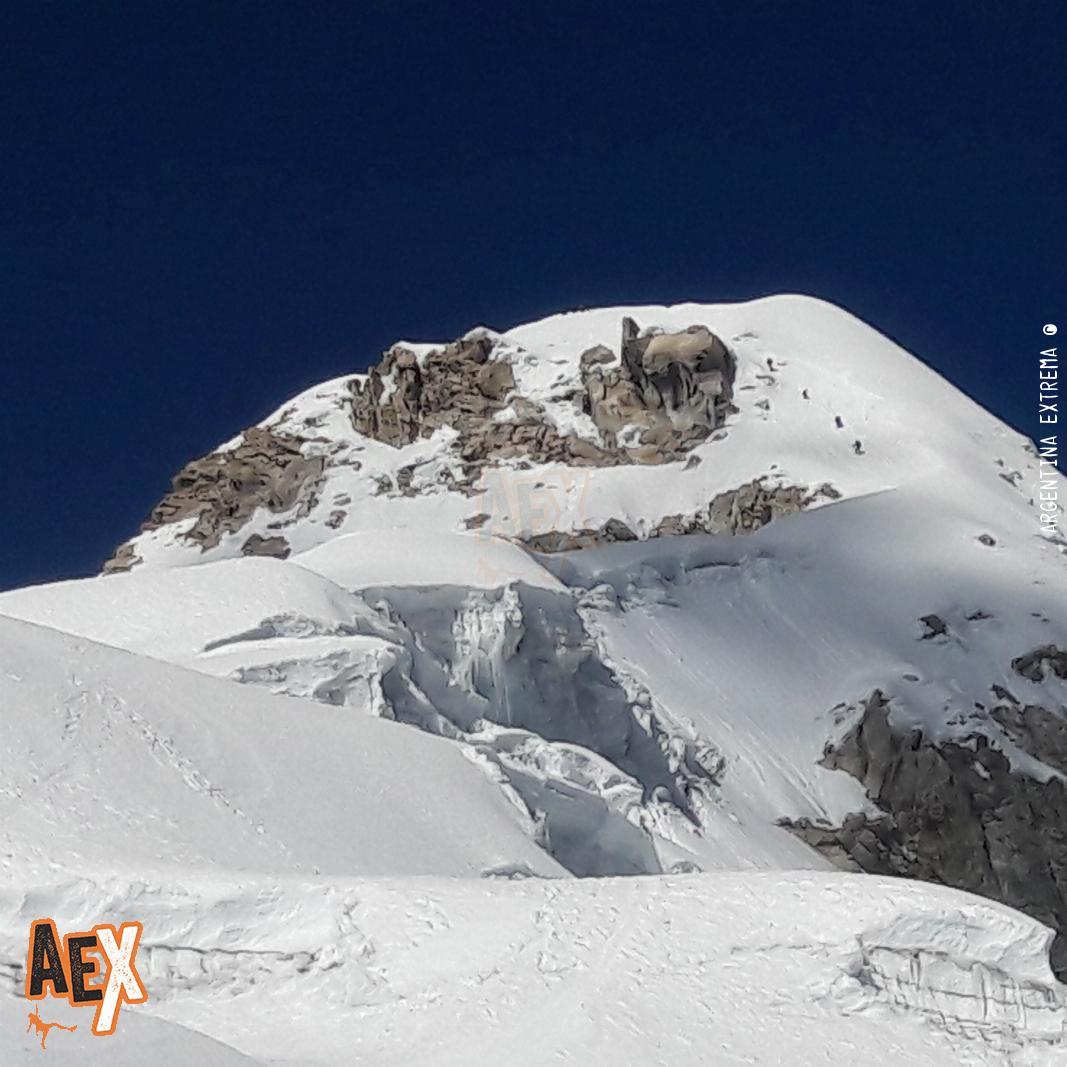
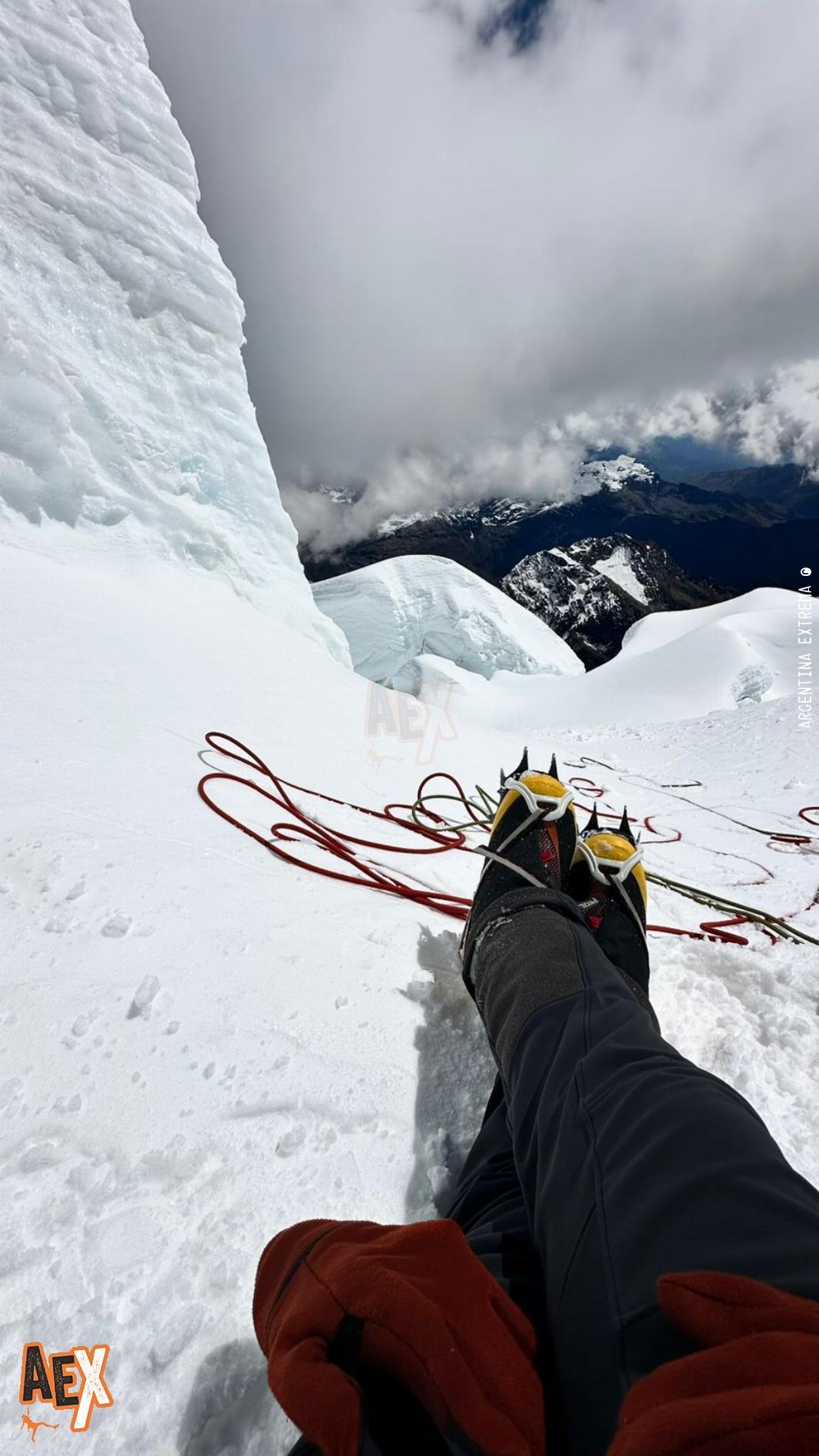
Day 7: Summit attempt day on Nevado Tocllaraju, 6036 masl. One of the great peaks of the Cordillera Blanca. A long traverse ascent, crossing crevasses, brings us to the final climb, with technical snow and ice climbing sections and rope use. Descent to the high camp and from there to base camp.
Day 8: Descent to Pashpa with pack donkeys. Final transfer to Huaraz (arrival in the late afternoon/evening). Night at the hostel. End of program.
Good to know
High-altitude expedition with technical difficulty on the ascents (glacier roping, snow and ice climbing)
What is included
- Permanent guide-coordinator
- Group formed from Argentina
- 3 nights at a hostel in Huaraz.
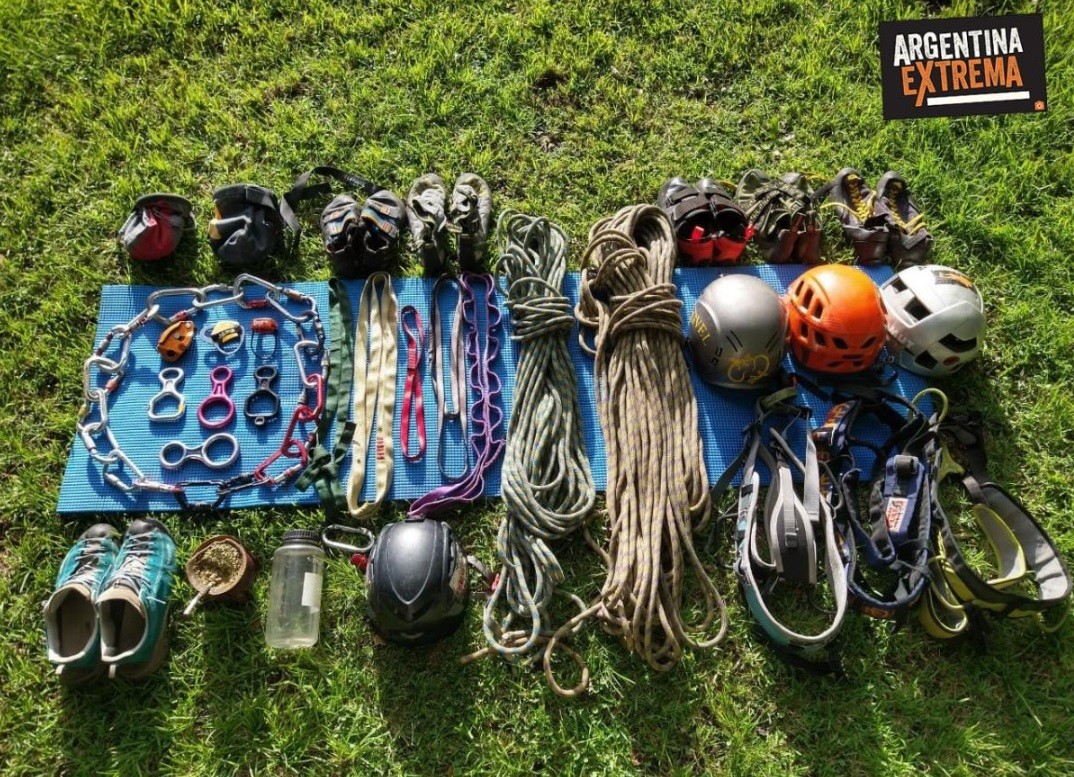
- General climbing equipment (ropes, slings, stakes, screws, carabiners, cords)
- Local professional mountain guide and assistant.
- All meals on the mountain (from day 3 through day 7)
- First aid kit.
- Camp equipment, tents and kitchen (stoves, pots)
- Donkeys and muleteer; to carry camp equipment and some personal gear up to base camp.
- Private transport; Huaraz / Pashpa / Huaraz.
- Basic course in rappelling, ice climbing and glacier roping
Not included
- Travel to Huaraz (a flight to Lima then bus is recommended). Ask us
- Ishinca park entrance fee (20 USD)
- Personal equipment
- Meals in Huaraz
- Expenses caused by dropping out of the program
Recommended gear
GENERAL EQUIPMENT
• Trekking backpack (70 to 90 liters)
• Duffel bag for the mules/donkeys to carry (60 to 90 liters).
• Warm sleeping bag (–15 degrees comfort rating, e.g. 1000g of down or good synthetic fill).
• Insulating sleeping pad (10 to 15mm).
• Inflatable insulating pad (optional)
FEET
• 1 pair of high-altitude mountaineering boots (double synthetic or plastic boots)
• 1 pair of lightweight trekking shoes.
• changes of underwear.
• Cotton t-shirts (for camp and for sleeping)
FIRST LAYER (Base layer)
• Short-sleeve synthetic shirts/t-shirts
• Long-sleeve synthetic shirts
• Polypropylene or similar pants/leggings (not cotton). To wear as inner layer under warm clothing
• Thin polypropylene or similar gloves (not cotton)
• Polypropylene or similar balaclava (not cotton)
• Pairs of thin polypropylene or similar socks (not cotton), in contact with skin.
• Buff-style neck gaiter.
SECOND LAYER (Insulation)
• Pairs of trekking socks (synthetic-thermal)
• Pairs of thick mountain socks
• Some cotton or wool socks (wool is good for sleeping)
• 2 pairs of long trekking pants
• Shorts/leggings
• 2 warm layers (fleece jacket, or wool pullover, 100-weight or 200-weight fleece jacket)
• Down jacket
• Fleece gloves (fingered or mittens)
• Warm hat (fleece)
• Sun hat (with flaps)
• Fleece neck gaiter or scarf (for the throat)
THIRD LAYER (Windproof and waterproof)
• Waterproof jacket (ultrex or gore-tex or similar)
• Rain/wind pants (gore-tex or similar, or ski-type)
• Third-layer gloves or mittens (waterproof and breathable)
• Ski gloves (as backup)
• Mountaineering gaiters
TECHNICAL EQUIPMENT
- Crampons (rental available)
- 1 pair of technical ice axes (rental available)
- 1 harness with a self-belay sling and 3 locking carabiners + 2 6mm x 3m cordelettes (rental available)
- 1 climbing helmet
- Trekking poles
PERSONAL ITEMS
• Passport, national ID card.
• Health/medical insurance.
• Completed medical and personal form, authorization.
MISCELLANEOUS
• Headlamp with batteries (plus 2 spare batteries).
• Sturdy plastic bags to store clothing.
HEALTH & HYGIENE
• Sunglasses with Category 4 UV protection
• Spare glasses (goggles work too, highly recommended)
• Personal first-aid kit (medication with the relevant prescription).
• High-SPF sunscreen, lip balm
• Soap, shampoo (small, to share) and a small towel.
• Other
• Toilet paper. Tissues. Baby wipes.
KITCHEN
• Water containers, at least 2 liters (can be a plastic bottle), Camelback, Nalgene or similar
• Small thermos
• Personal tableware: Plate, cup/mug, cutlery
OPTIONAL, not mandatory (space and weight permitting)
• SILVER TAPE, for blisters and repairs.
• Mate, bombilla straw and yerba.
• Steel thermos.
• Water purification tablets.
• Mini sewing kit.
• Binoculars, monocular. Camera or video equipment.
• Book, notebook, travel journal, pencil, pen.
FAQ
Is this an expedition for experienced climbers?
Good physical condition, training, and some prior mountain experience are required.
How do you get to the location?
You need to travel to Lima and from there take a bus (6 to 8 hours) to Huaraz, round trip.
What equipment is needed?
High-mountain clothing and footwear + technical equipment (harness, helmet, crampons, ice axe); see the equipment list section (last black button).
Difficulty graduation
Backpack weight60%
Physical100%
Technical80%
Mental80%
Altitude100%
Scale 0–100%. Argentina Extrema graded difficulty system. How it is measured
Photos and videos
Request your place
We will reply by email or WhatsApp with full details, payment options and how to confirm.
Get ready

Trekking & mountaineering
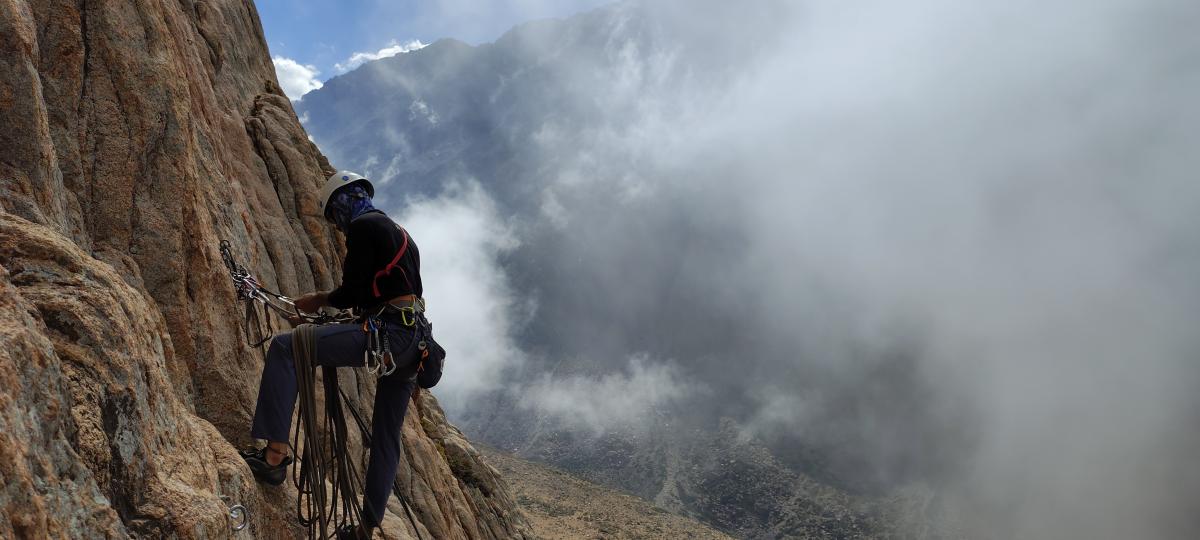
An adventure sport that helps cleanse the soul: Rock Climbing
Are you looking for new experiences and challenges that will energize your routine?
You may also like
27Dec
20% OFF Expeditions · Cuyo
Trekking and Exploration to the Andes Survivors site - El Sosneado, Mendoza
- 3 days
- Intermediate
- 5 spots
from US$ 1.000
4Jan
19% OFF Expeditions · Cuyo
Trekking expedition to the Plane of the Uruguayans - El Sosneado, Mendoza
- 7 days + trip
- Demanding
- 6 spots
from US$ 1.250
5Jan