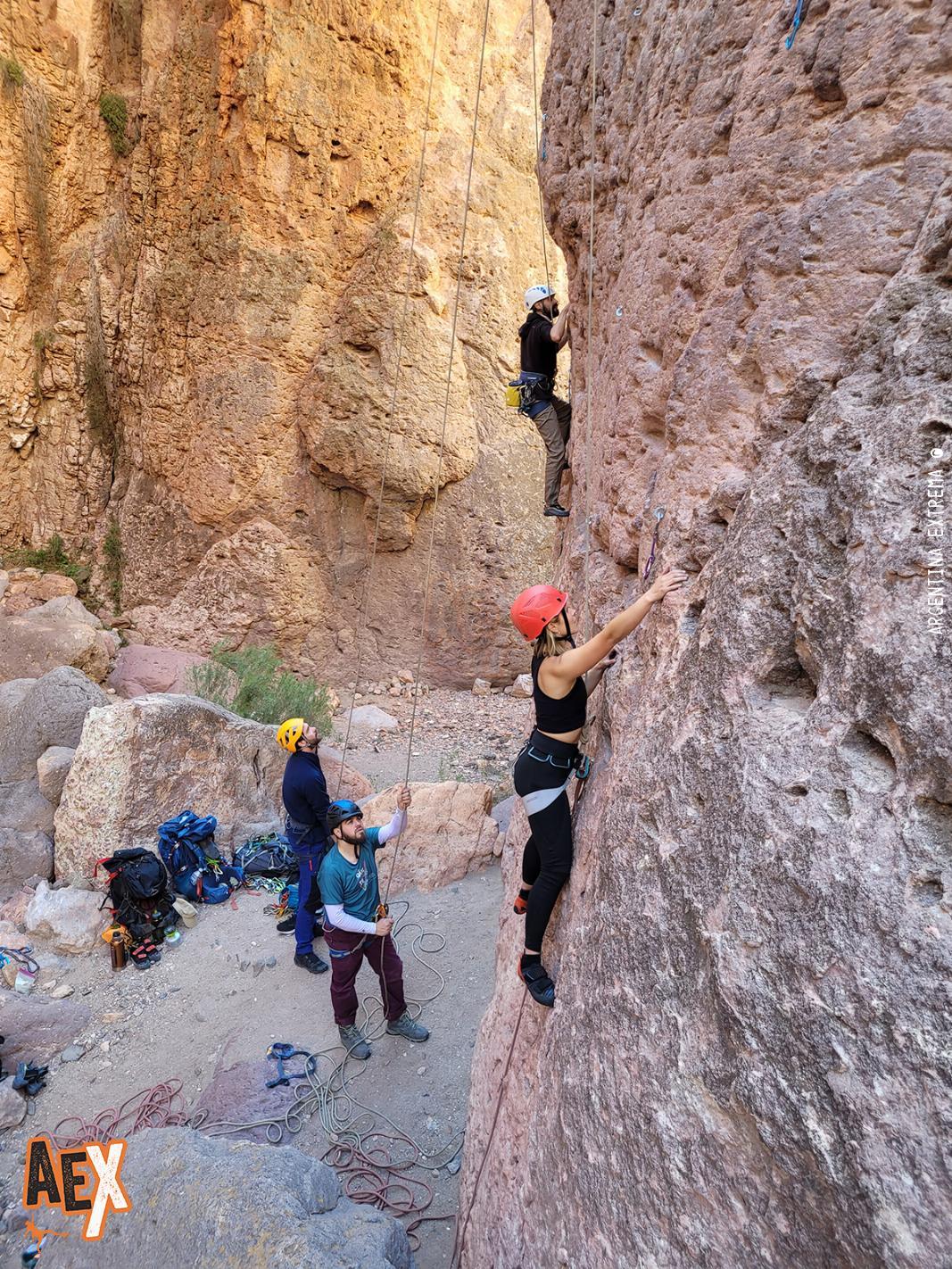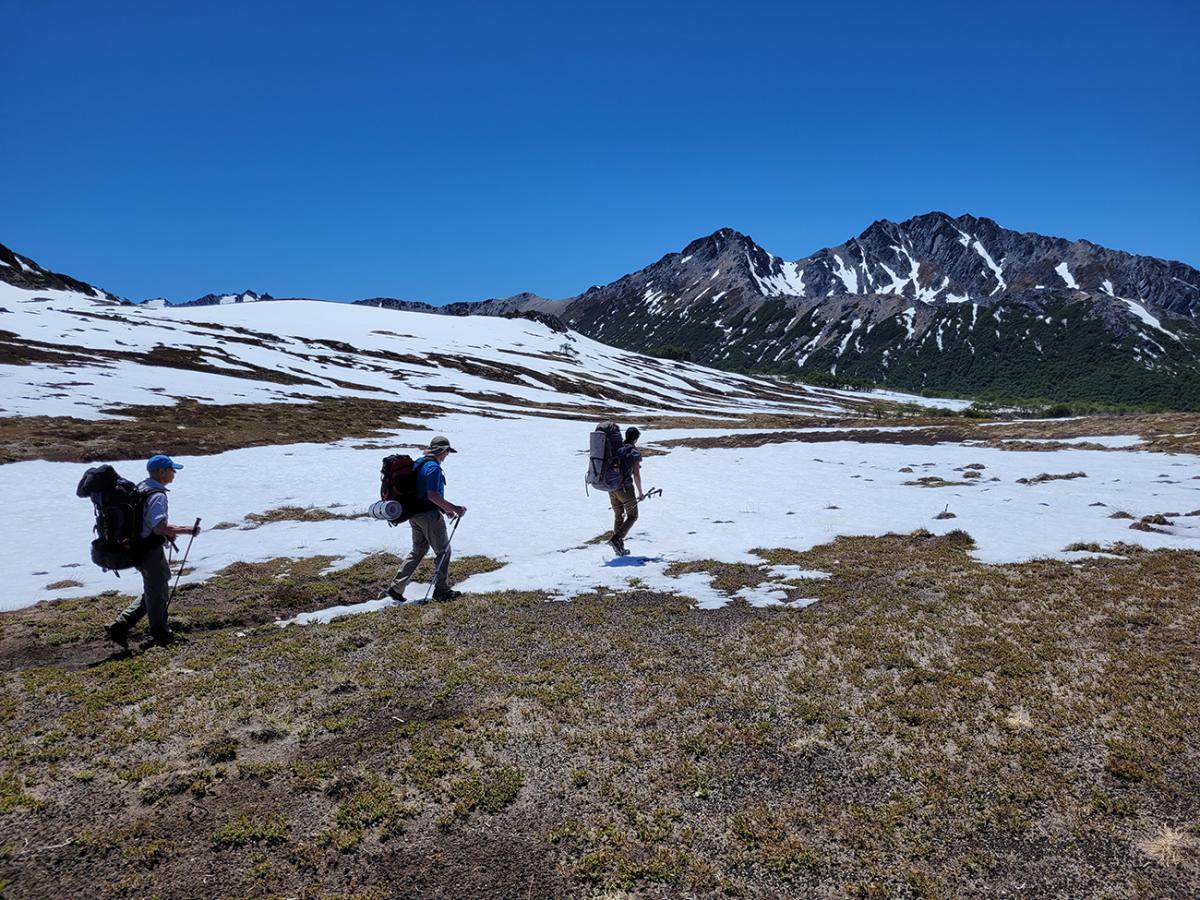
Trekking & mountaineering
Footwear for trekking and mountaineering - uses and types
The importance of understanding the use, types, and models of shoes or boots according to the activity.
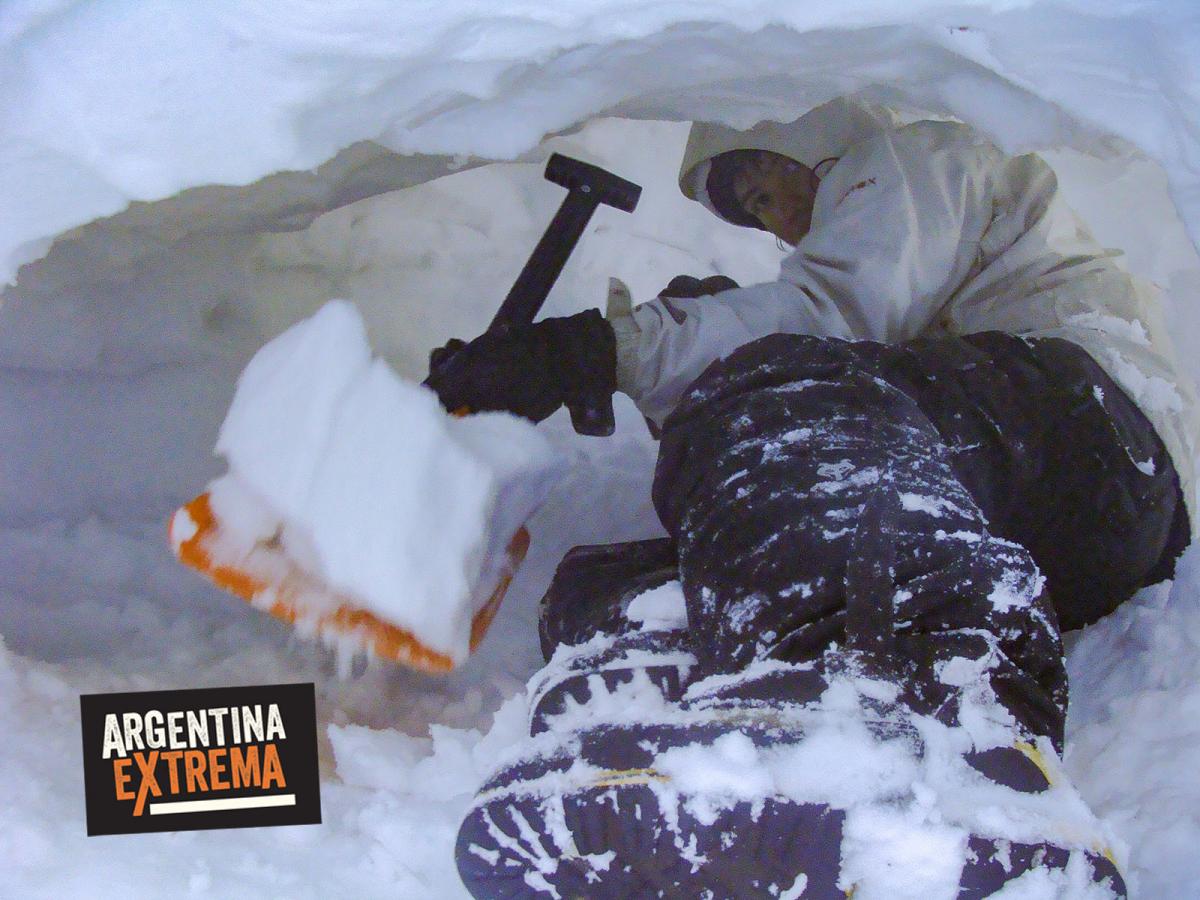
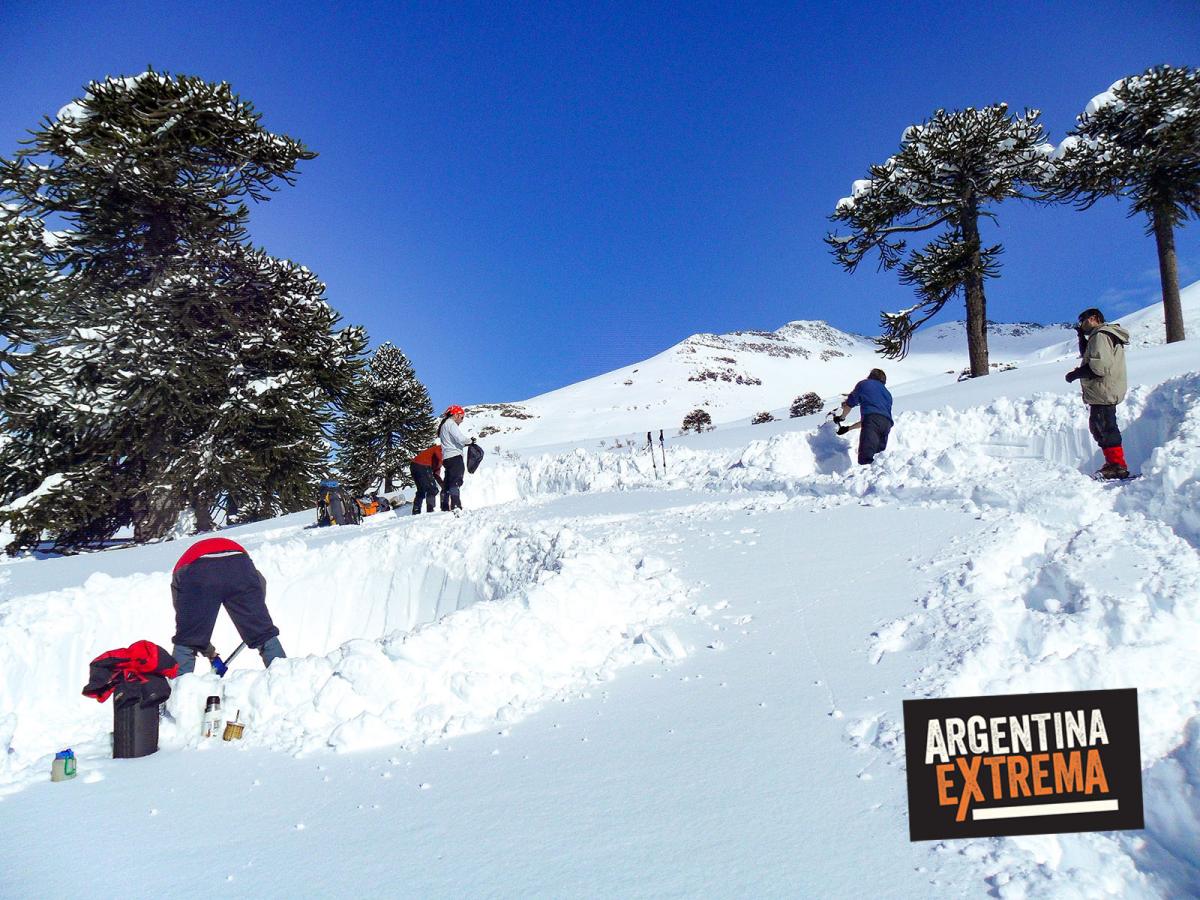
A 4-day training experience in snowy, winter terrain
A course designed for those who want to build the fundamental knowledge needed to live in conditions of low temperatures, snow, and ice. It involves camping out, with an intense and very varied schedule.
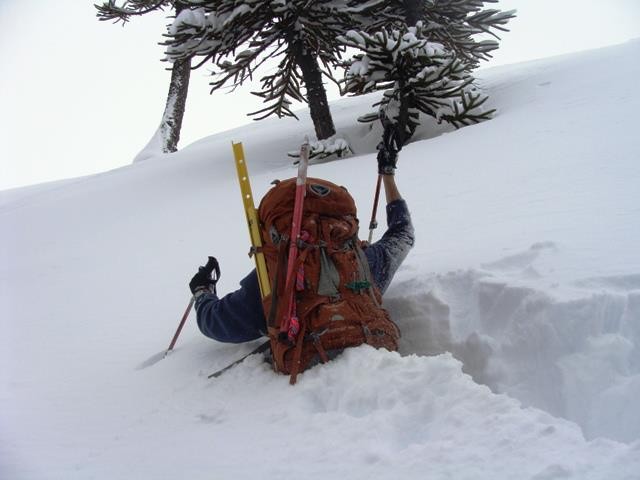
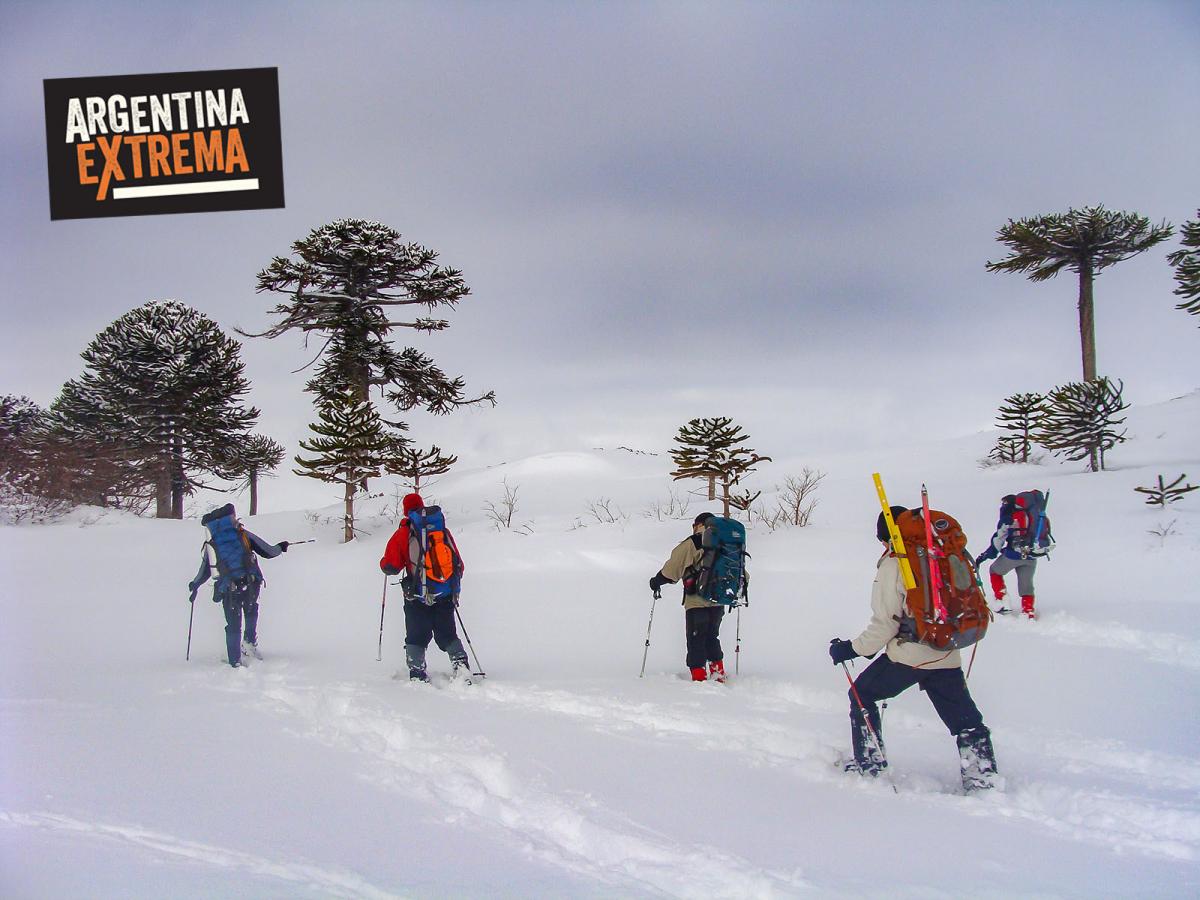
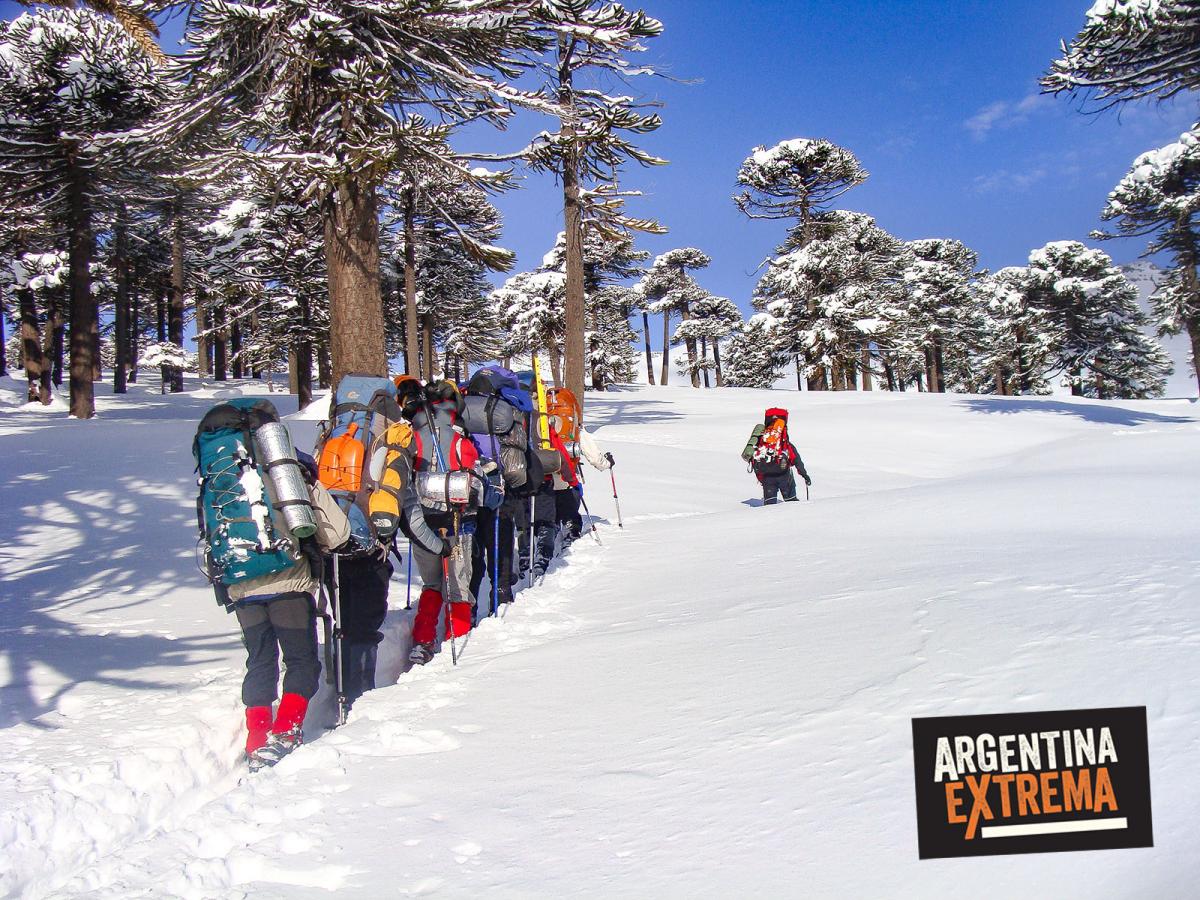
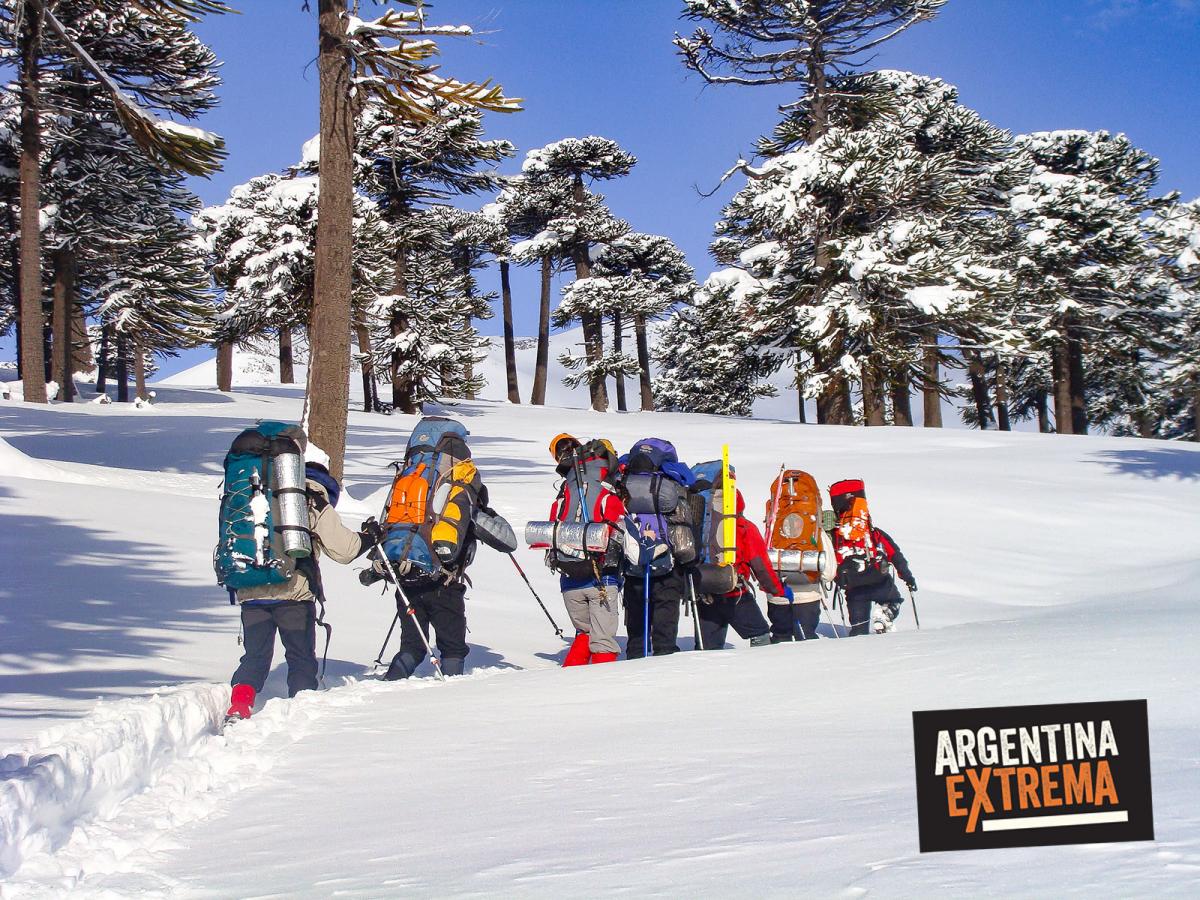
Day 1: Meet in El Bolsón. Guide introductions, gear check. Transfer to Bosque Tallado. First trek to the Piltriquitrón refuge. Initial talk on snowshoes and poles. Lunch. Round-trip hike with backpack, poles, and/or snowshoes. First steps. Breaking trail. Snow science, orientation, and geography of the area. General considerations. Overnight at the refuge.
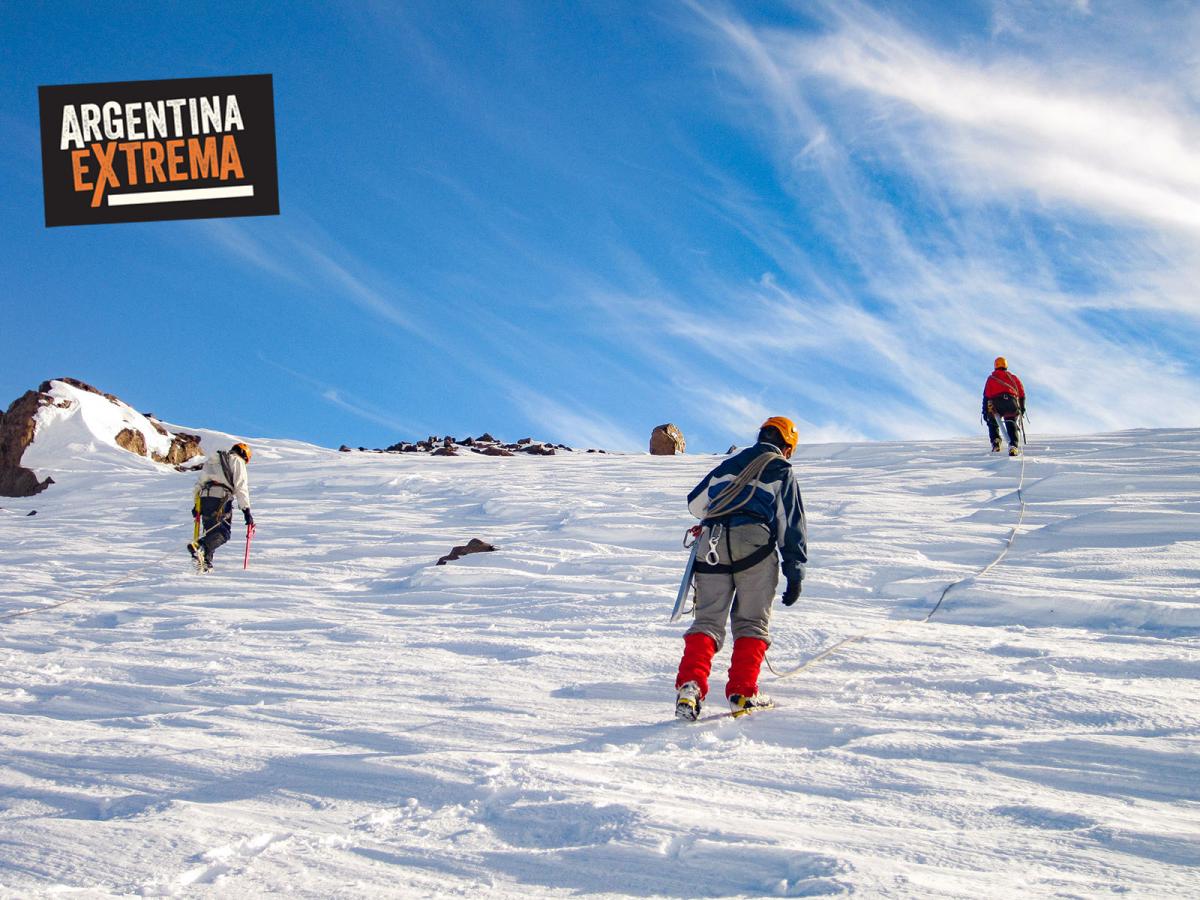
Day 2: Breakfast. Mountain cooking workshop. Lunch. Self-arrest. Snow types, snow profiles, slope analysis: avalanches. Roping practice — coiled and glacier travel, with crevasse rescue. Ice axe technique. Dinner and overnight at the refuge.
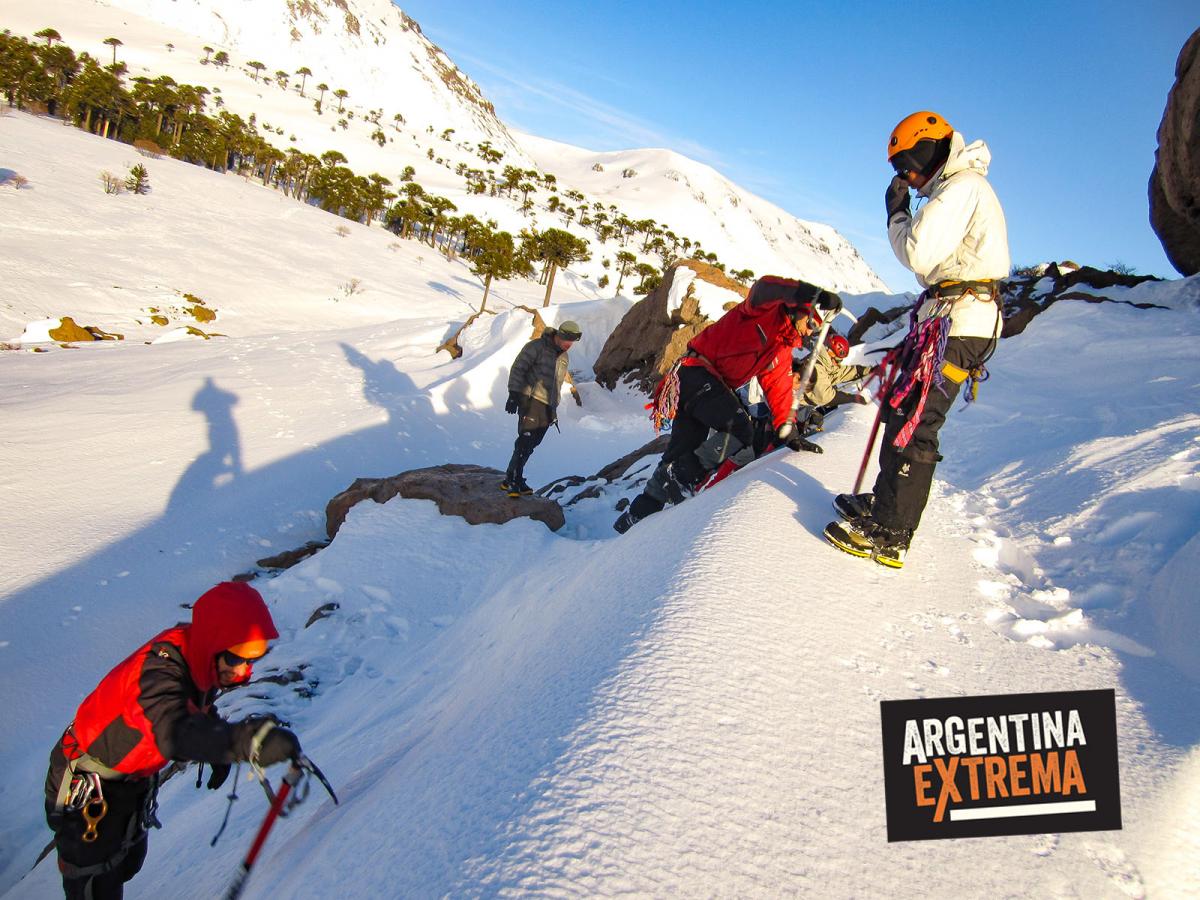
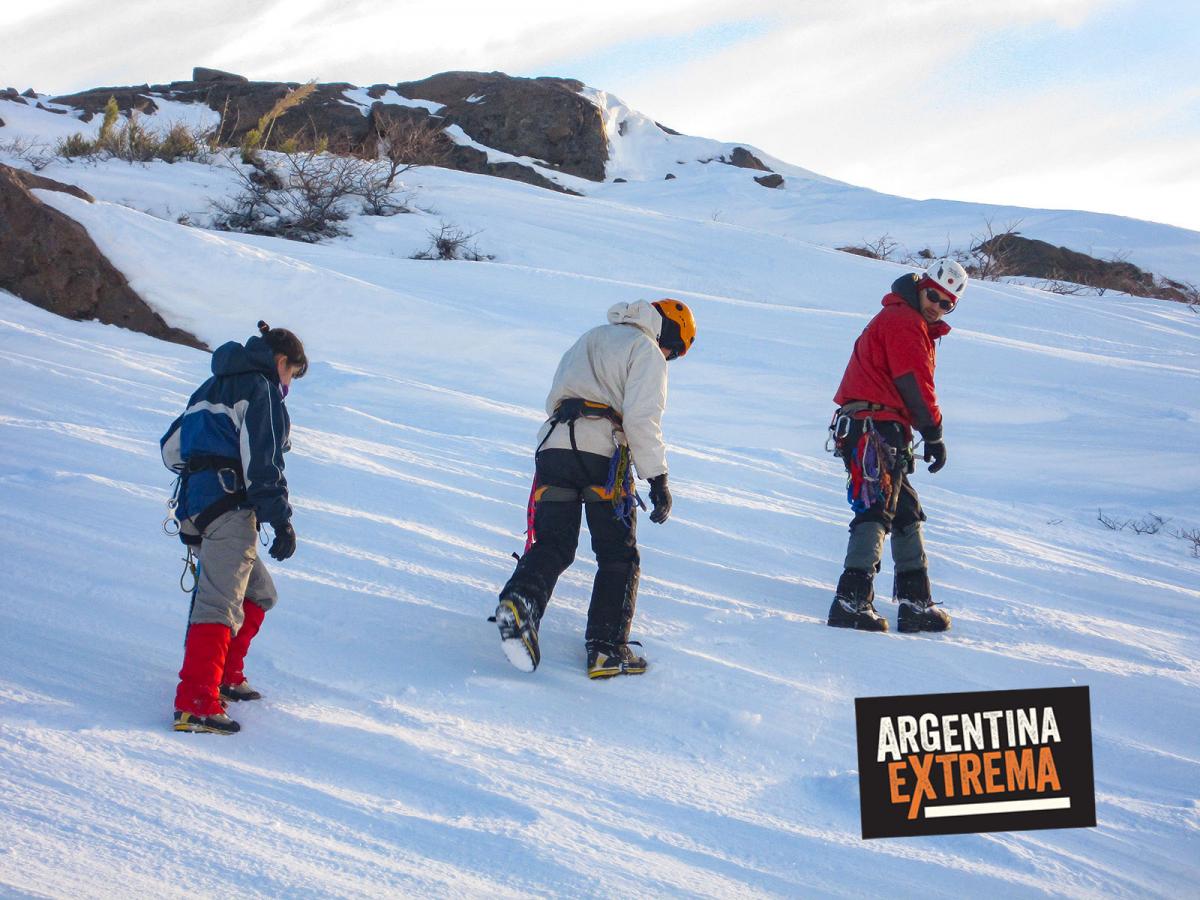
Day 3: Breakfast. Crampon practice. Mixed climbing. Snow anchors: stakes, pickets, bollards. Building anchor systems. Lunch. Special techniques with ice axe and crampons. Multi-pitch climbing through gullies and rugged slopes. Summit attempt and return in the late afternoon/evening. Dinner and overnight.
Day 4: Breakfast. Ice climbing (ice-axe technique) on waterfalls if conditions allow, otherwise gullies. Lunch. Review of everything covered in the course. Breaking camp and descent to the trailhead, then final transfer to El Bolsón. Closing talk and end of the course. End of our services.
Considerations
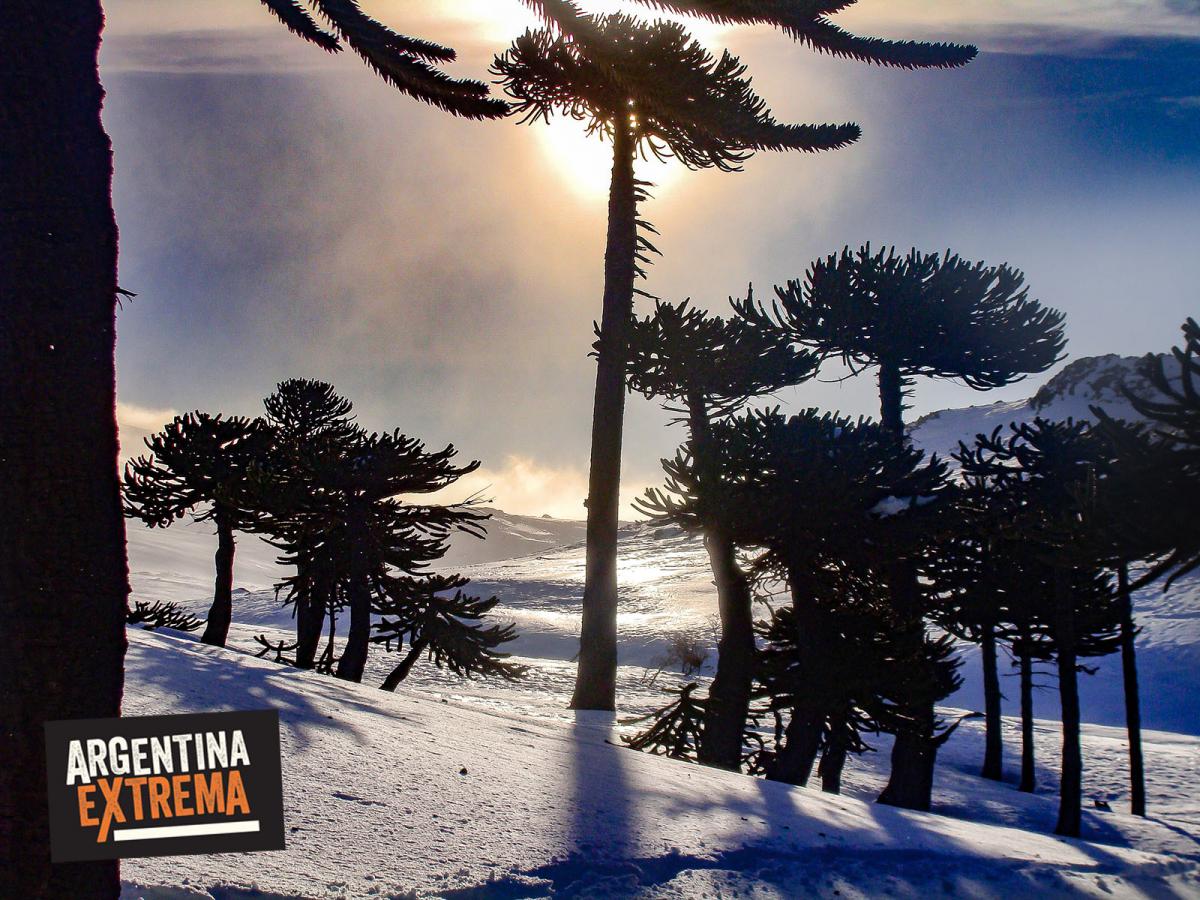
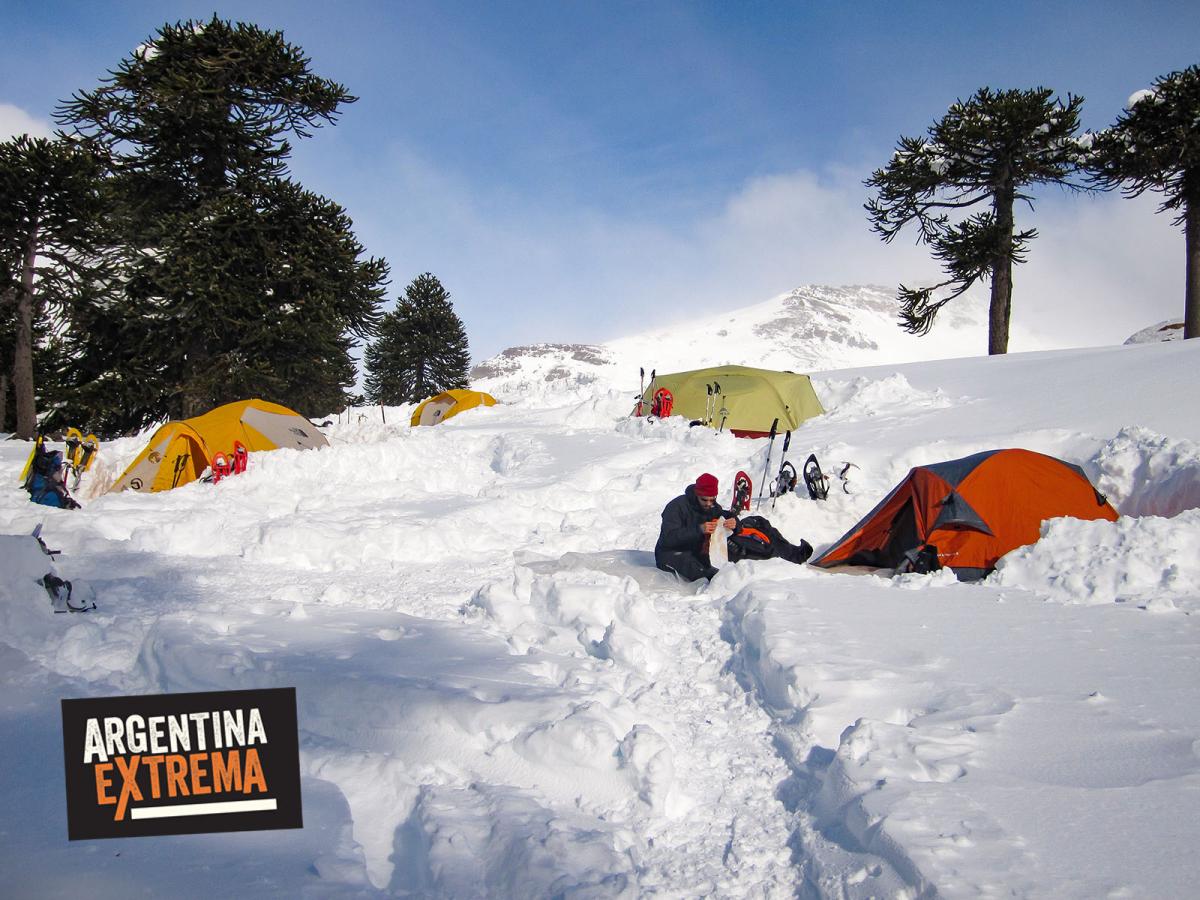
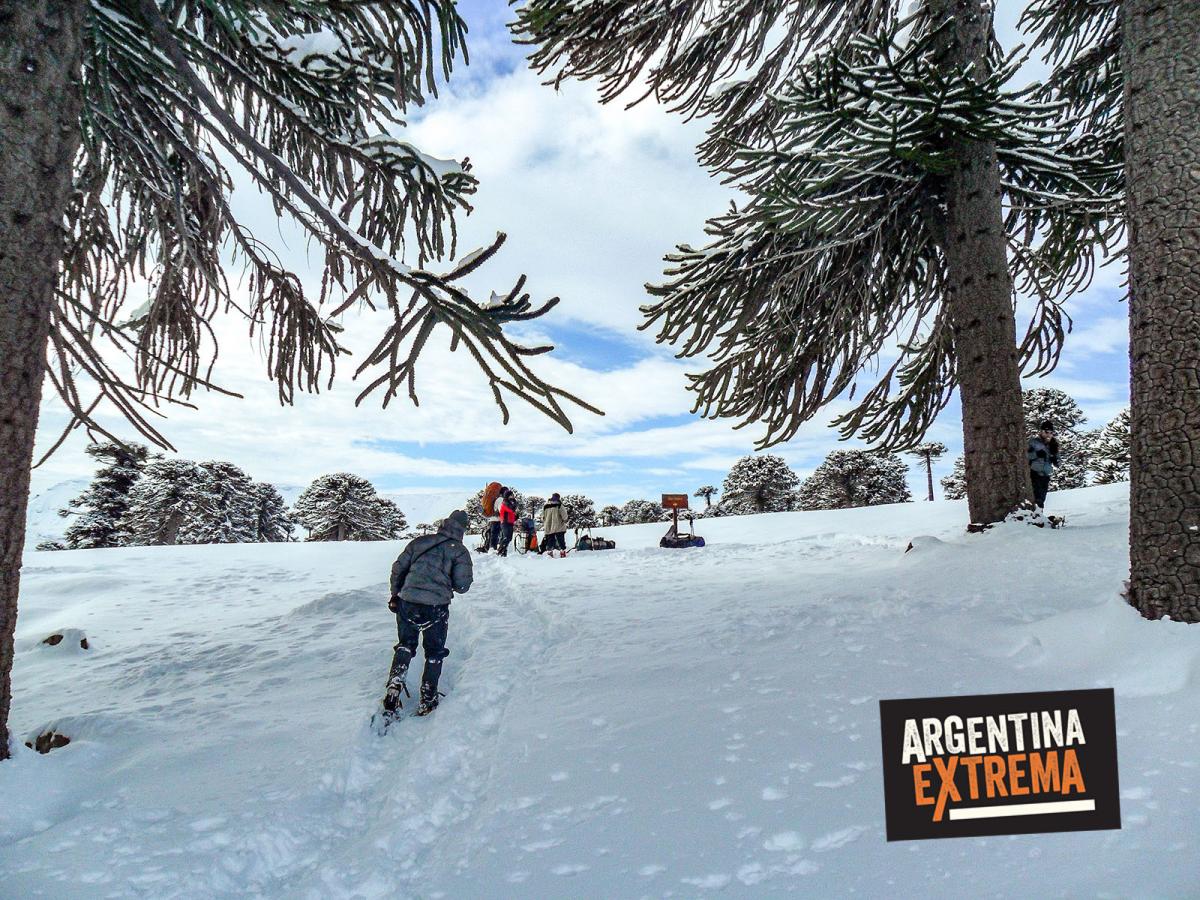
Camp is set up in a forest, but with wind and in winter, temperatures can drop well below 0 degrees. It is very important to have the right gear, and for it to be good quality.
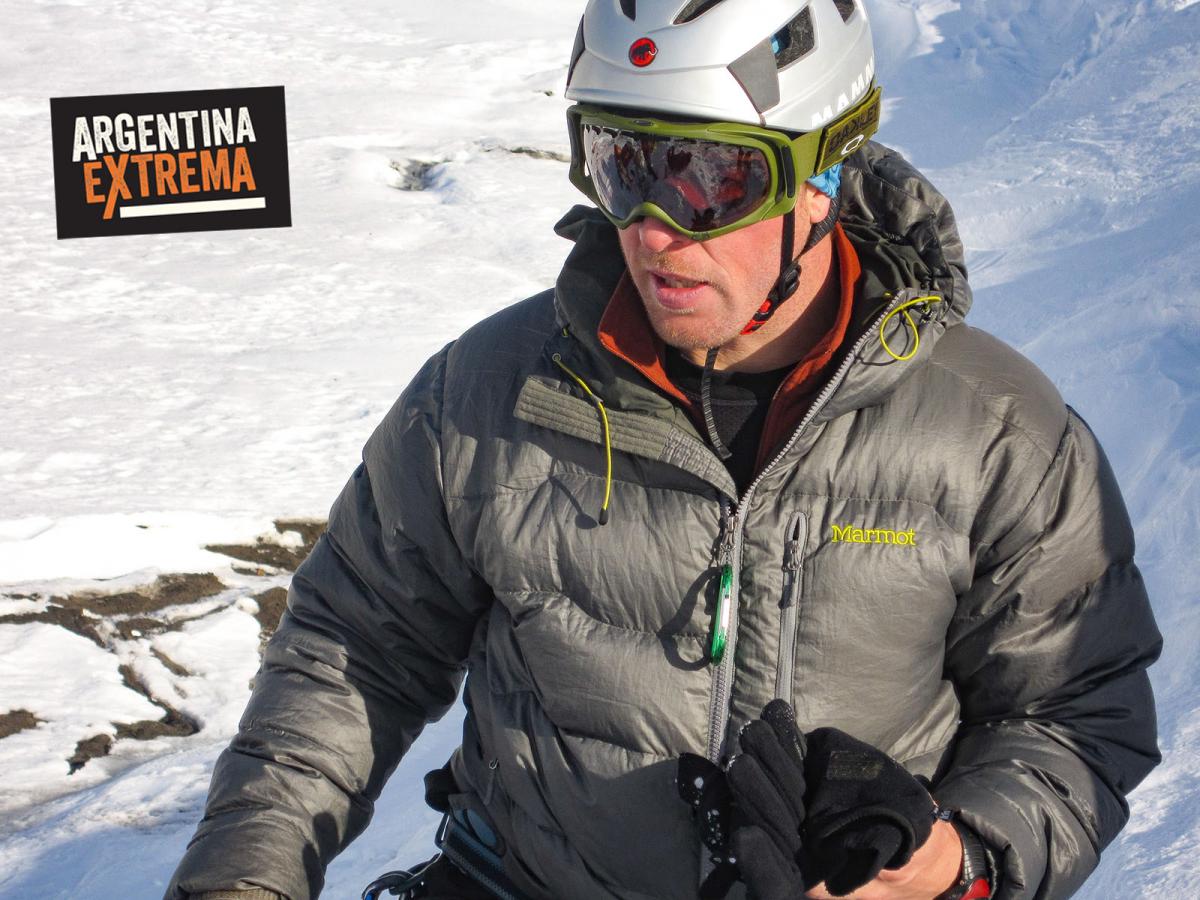
You also need to protect yourself well from the sun with a hat, neck gaiters, sunscreen, and category 4 mountain sunglasses. And for the night, it's important to have a good sleeping bag and warm layers, since the temperature can drop below 0° Celsius.
Sleeping bags should be rated for at least 0° comfort, so you can rest properly. Goose-down ones are best, but synthetic bags today also use modern, high-performance materials and work better in very humid places. You can rent one from us.
Fly into Ushuaia. It's the best, most direct, and also the most economical option.
In general these are very mixed groups (all kinds of people). Varied ages and genders, people traveling solo, with a friend, as couples, families, etc.
In high-mountain tents set up on the snow.
It's not essential to be a dedicated athlete training 4 times a week. But keep in mind that the better shape you're in, the better the experience will be. The idea of these adventures is for you to enjoy them, not suffer through them. If you don't usually train, go running, cycle, or do other aerobic activity, we recommend joining one of our weekly training sessions geared toward mountain activities. Otherwise, start by walking with a loaded backpack of at least 8 kilograms for several kilometers a week, and also do stairs or slopes in uninterrupted 20-minute sets.
Mountain training article: CLICK HERE
From age 16, with authorization or accompaniment by an adult.
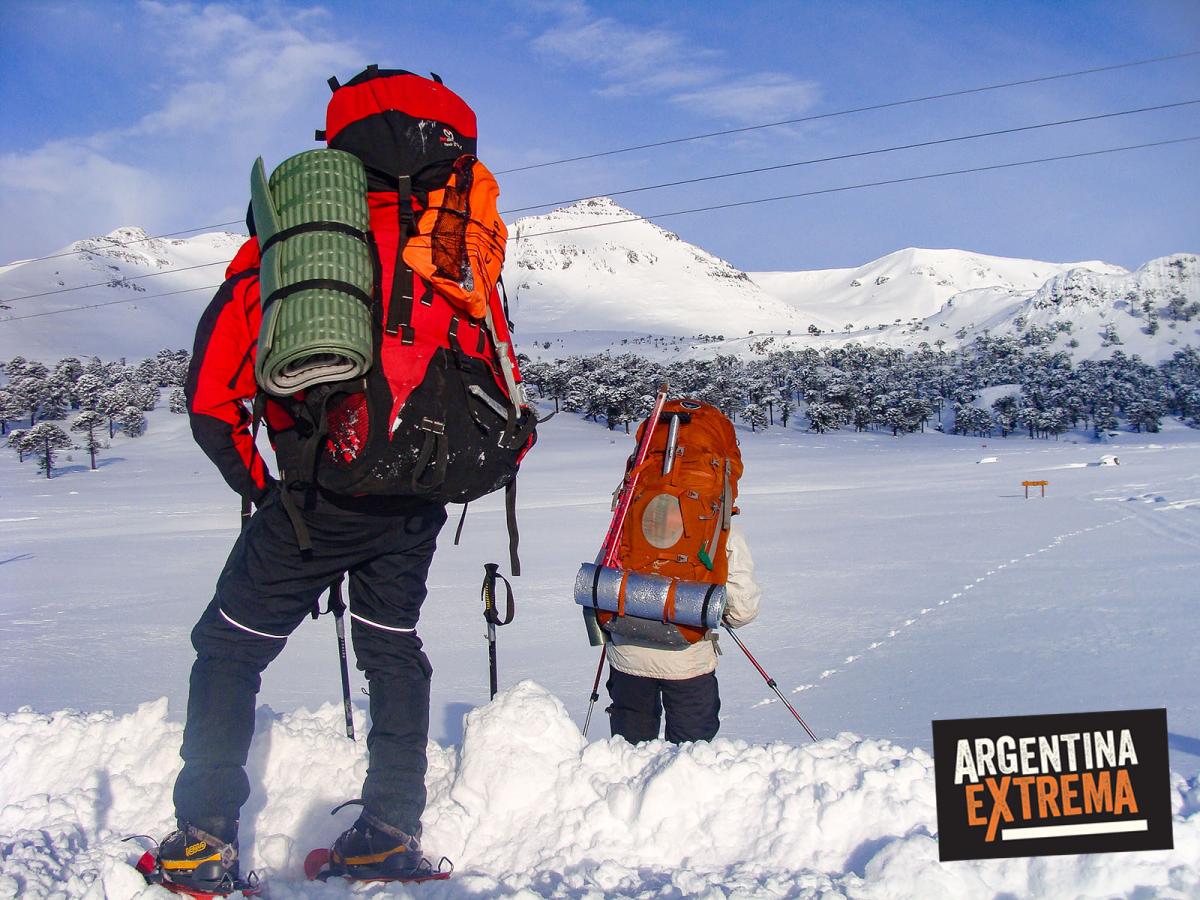
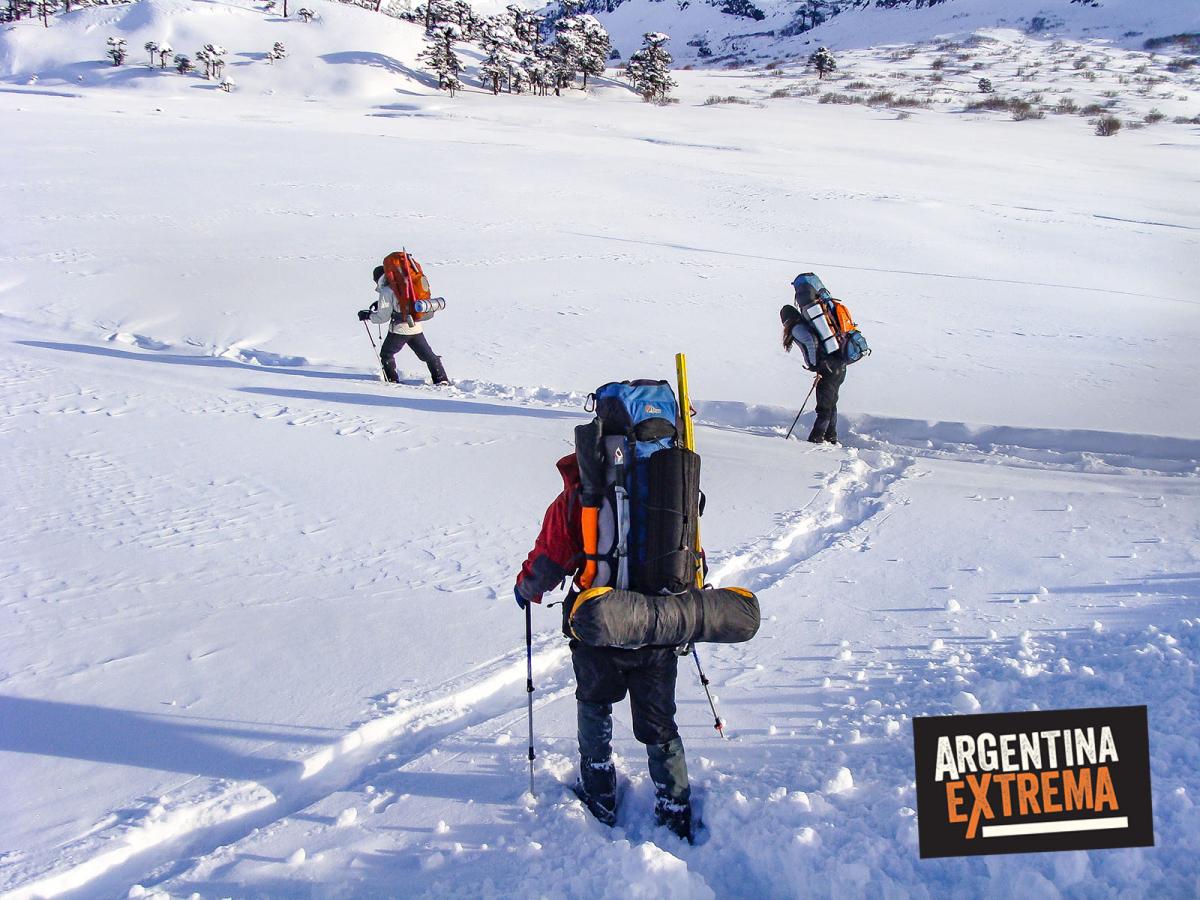
On this expedition we carry a lot of weight, more than 18 kilos per person. You need to be prepared for these conditions.
On this trip we plan the menu and do the shopping together as a group, so we can be self-sufficient and practice an autonomous system. The company provides stoves and cooking equipment.
Scale 0–100%. Argentina Extrema graded difficulty system. How it is measured
We will reply by email or WhatsApp with full details, payment options and how to confirm.
Trekking & mountaineering
The importance of understanding the use, types, and models of shoes or boots according to the activity.
Climbing · Buenos Aires
from US$ 20
Climbing · Center
from US$ 360