7Nov
Trekking from Caviahue to Copahue, Neuquén
Among Pehuenes, Mapuche communities and Copahue Volcano. 4 days of camping
- DateJanuary 24, 2027
- Duration4 days
- Meeting PointCaviahue
- DifficultyBeginner
- Availability9 spots
The trip
Traveling through Pehuén territory, walking on Mapuche land...
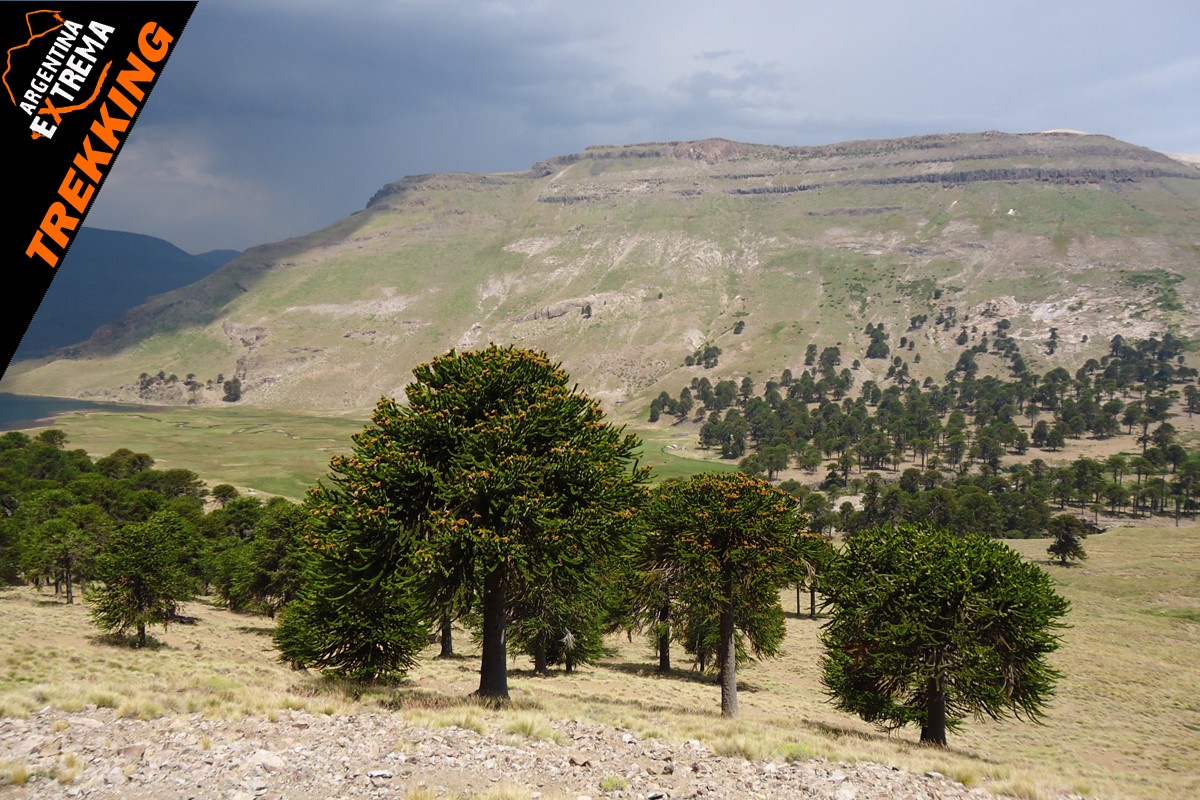
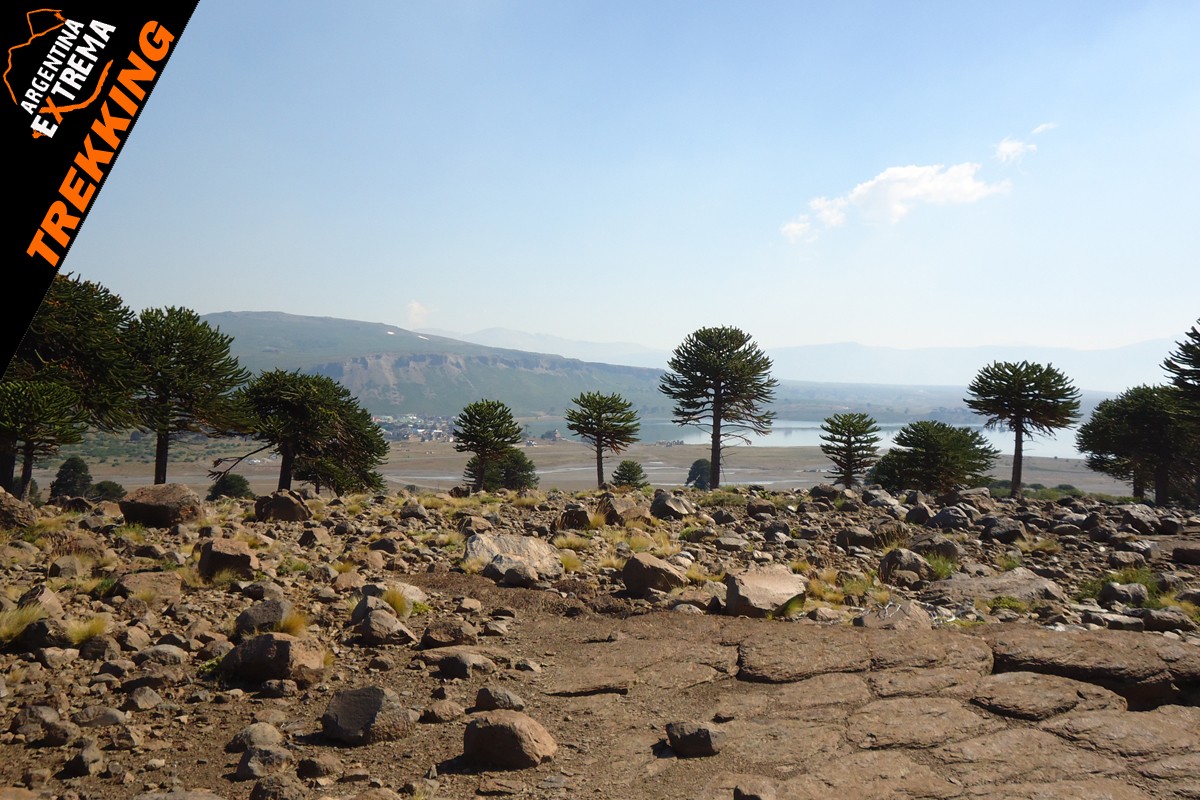
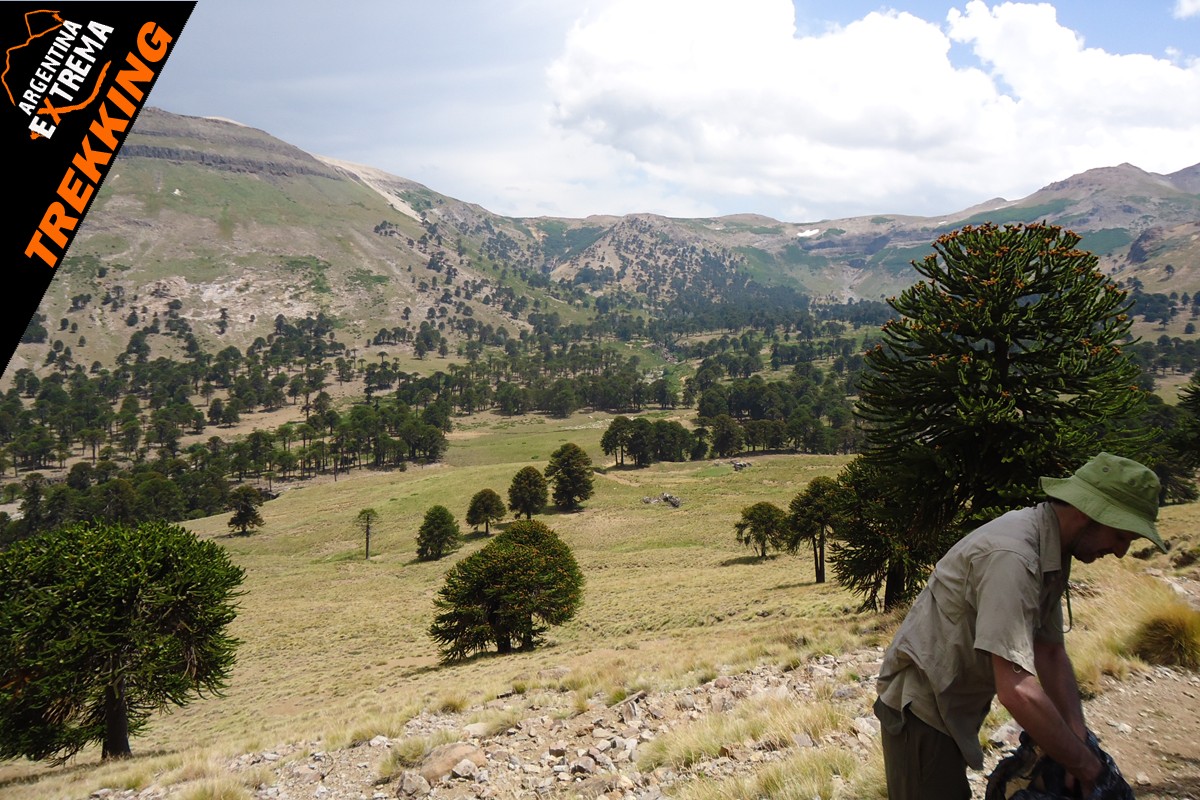
A novel route in northern Patagonia, among forests of ancient araucaria trees, silent lakes, endless scree fields, high passes, snow-capped peaks and border markers. A magnificent trek through land of local ranchers and Mapuche reserves, in an unbeatable and little-known natural setting: Northern Patagonia, at the foot of the imposing Copahue Volcano.
West-central Neuquén is one of the environments chosen by a striking and beautiful species, the pehuén or araucaria tree. The Caviahue and Copahue mountain range is also one of the last remaining Mapuche settlement areas to this day. Our route invites you to blend culture with grand landscapes, between the giant and legendary Copahue Volcano and the mysterious Hualcupen lagoon. A trek at a level accessible to everyone who's up for the adventure of camping and hiking through magical places only reachable on foot.
Itinerary
What we present here is the planned route for the trip, but the exact route, layout and choice of alternative itineraries are subject to different factors such as weather conditions and the guide's assessment of the group.
Day before: Meeting in Caviahue in the afternoon. Guide introductions. Overnight stay not included (we can recommend some lodging options based on your preferences).
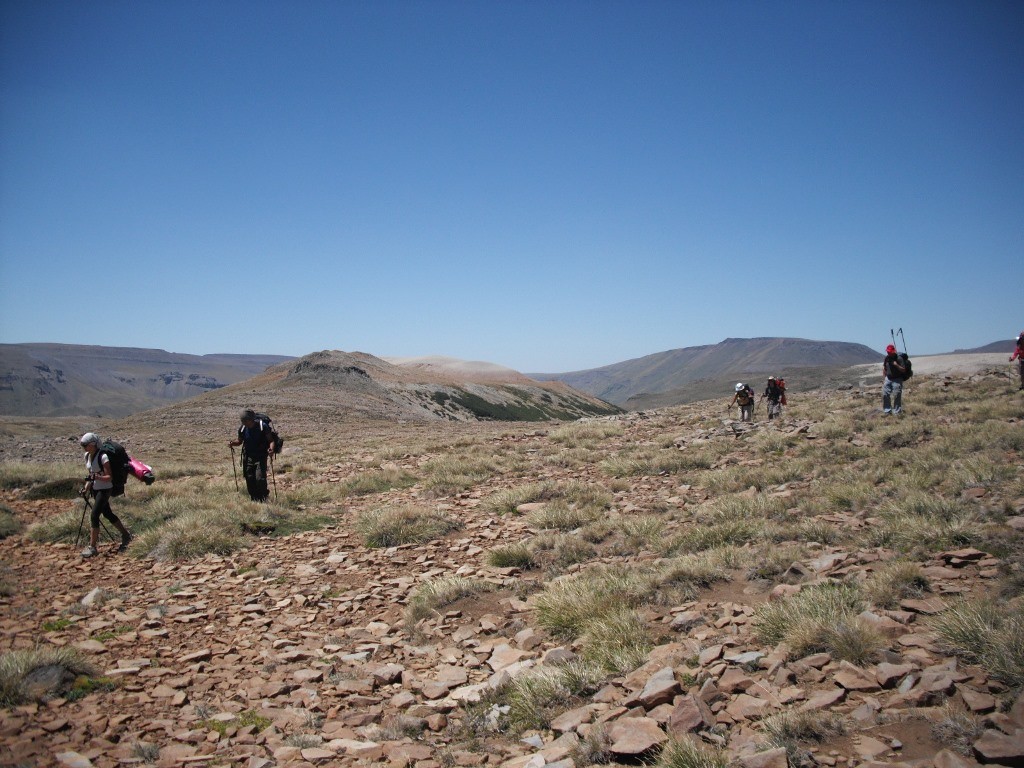
Day 1: We begin the adventure. Transfer to Valle de las Lecheras. Start of the trek. We head into the mountain range and into a wonderful Pehuen forest, an area used by herders who bring their livestock here after many days' walk from the Patagonian steppe. Hiking time approx 4 hs. Set up camp. Rest.
Day 2: Day of trekking and crossing valleys. We cross a high pass, parallel to the border with Chile, from where we can see Hualcupén Lagoon; then we descend to the waterfall of the same name, where we'll set up our new camp. Enjoy the place and its scenery.
Day 3: We have an early breakfast and start walking toward the ridges that mark the natural border between Argentina and Chile. We'll pass the summit of Cerro Pirámide and descend to the Agrio valley, where we'll visit the famous 7 waterfalls. Set up camp.
Day 4: Descent to Caviahue. Transfer to Las Mellizas Lagoon and ascent of the legendary Copahue Volcano; then we'll descend along the route to Las Mellizas Lagoon and the spot known as Las Máquinas, very close to Copahue. Final transfer to Caviahue. End of the route. End of the program. Ask about lodging.
Good to know
Mode: Moderate-level trek. With a personal trekking backpack of no less than 55 liters (10/12 kilos per person at minimum).
Portering to the campsites: done by vehicle.
Included: Ascent of Cerro Pirámide, ascent to the crater of Copahue Volcano, Hualcupén waterfall and lagoon.
What is included
- Full board in the mountains
- Professional mountain guides.
- Portering to campsites by vehicle
- Entry fees to Natural or Private reserves.
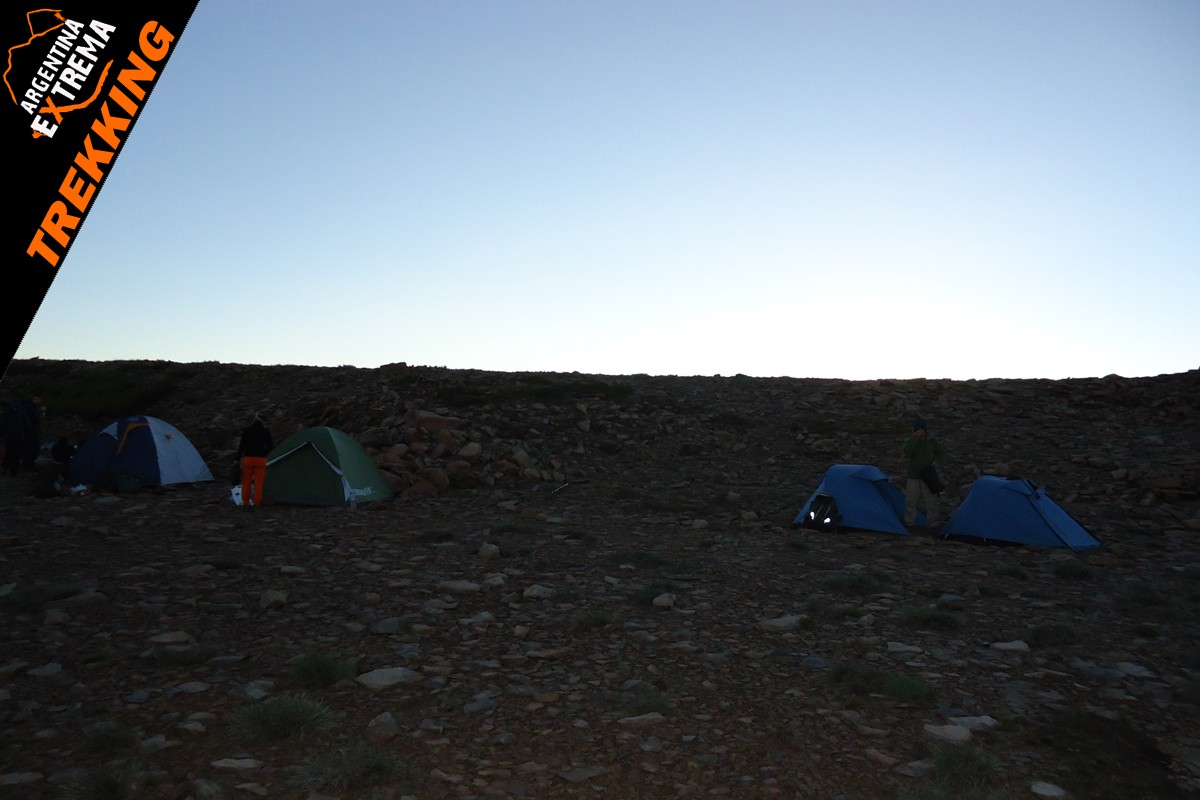
- Nights of lodging at backcountry campsites.
- Tents
- General camp logistics (pots, stoves, safety gear, orientation).
- Ongoing coordination and advice before and during the trip.
- Ongoing assistance
Not included
- Travel to Caviahue
- Lodging in Caviahue (ask us)
- personal gear (see section)
Meals
During the activity we eat quick-digesting energy foods like fruit, energy bars, nougat, nuts, etc. At midday, cold food to keep going such as sandwiches, savory pies, empanadas, salads, etc. At night a hearty, hot meal such as pasta with sauce or lentil stew.
Recommended gear
GENERAL GEAR
- Special trekking backpack (55 to 80 liters).
- Warm sleeping bag (0 degree comfort rating) (e.g. 700g of good down or synthetic fill).
- Insulating mat (10 to 15mm).
- A pair of trekking poles.
CLOTHING
- Socks, (two thick pairs, ski or synthetic).
- 1 pair of trekking shoes/boots (in good condition)
- 1 lightweight backup pair of footwear.
- Long trekking pants
- long warm pants or leggings.
- changes of underwear.
- t-shirts and/or shirts (one long-sleeved)
- warm layers (fleece jacket, or wool sweater)
- waterproof jacket
- sun hat/cap (with brim) and another warm one
- bandana to cover the neck from the sun
- Warm gloves and scarf or neck gaiter.
- Warm hat
PERSONAL ITEMS
- ID document
- Health/medical insurance
MISCELLANEOUS
- Headlamp with batteries.
- Sunglasses.
- Sunscreen, lip balm
- Toilet paper. Tissues. Baby wipes
KITCHEN
- Water containers for at least 2 liters (can be a plastic bottle)
- Cutlery
- Plate or tupperware. (No glass or aluminum)
- Plastic or enameled metal mug (no glass or aluminum).
- Dish towel
OPTIONAL, not mandatory (check space and weight)
- Warm jacket.
- SILVER TAPE, for blisters and repairs.
- Mate, bombilla and yerba.
- Steel thermos.
- Binoculars, monocular. Photo or video equipment.
- Book, notebook, travel journal, pencil, pen.
- Games; cards, dice, etc
- Pocketknife (e.g. Victorinox).
- Whistle and lighter.
- Sturdy plastic bags to store clothing.
FAQ
Is this trek for beginners?
People with little experience can take part, but good physical condition is required. Keep in mind you have to carry your own backpack with your gear plus a share of the group gear.
How much do we walk per day?
Approx between 4 and 7 hours.
How do we get there?
The meeting point is in Caviahue. You can travel to Neuquén and from there a 6-hour scheduled bus.
Where do we sleep?
In tents provided by our company. You need to bring a sleeping bag and sleeping pad (we can rent these to you).
What gear do I need to bring?
There's a section where you can see what you need to bring. A 60 to 80 liter trekking/expedition backpack, trekking footwear, sleeping bag and a third-layer parka jacket are the main items.
What do we eat?
During the activity we eat quick-digesting energy foods like fruit, energy bars, nougat, nuts, etc. At midday, cold food to keep going such as sandwiches, savory pies, empanadas, salads, etc. At night a hearty, hot meal such as pasta with sauce or lentil stew.
Difficulty graduation
Backpack weight60%
Physical40%
Technical20%
Mental20%
Altitude40%
Scale 0–100%. Argentina Extrema graded difficulty system. How it is measured
Photos and videos
Request your place
We will reply by email or WhatsApp with full details, payment options and how to confirm.
You may also like
12Nov
Summit climbs · Patagonia
Lanin Volcano (3776 masl) - Trekking and ascent to the summit - Patagonia
- 2 days
- Demanding
- 6 spots
21Nov
Trekking · Buenos Aires
Trekking in Los Gigantes, Sierras Grandes, Córdoba
- 3 days + trip
- Intermediate
- 2 spots