Skip to content

The Uruguayans Plane, Trekking to the place of the Miracle of the Andes.

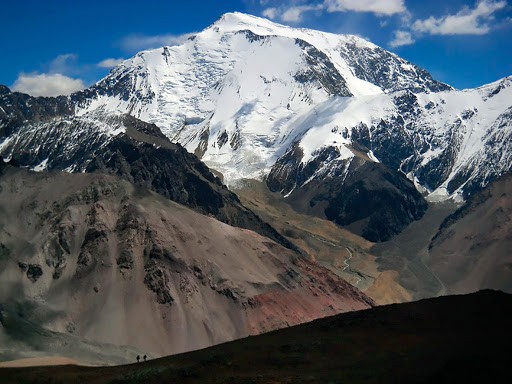
An adventure full of history through the Valle de Las Lagrimas

  • DateJanuary 4, 2028
  • Duration3 days
  • Meeting PointEl Sosneado, Mendoza
  • DifficultyIntermediate
  • Availability18 spots

The trip

Itinerary:

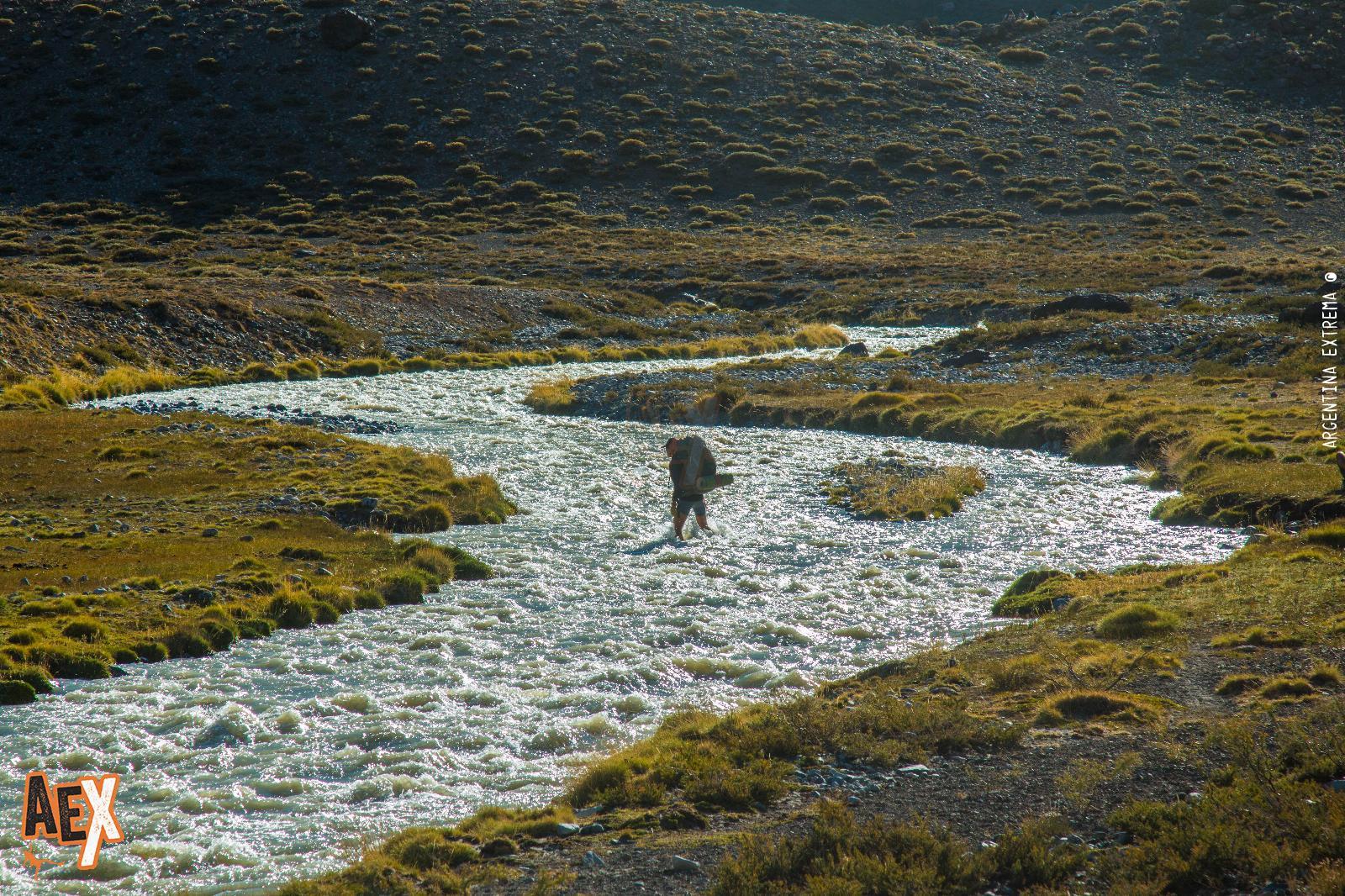
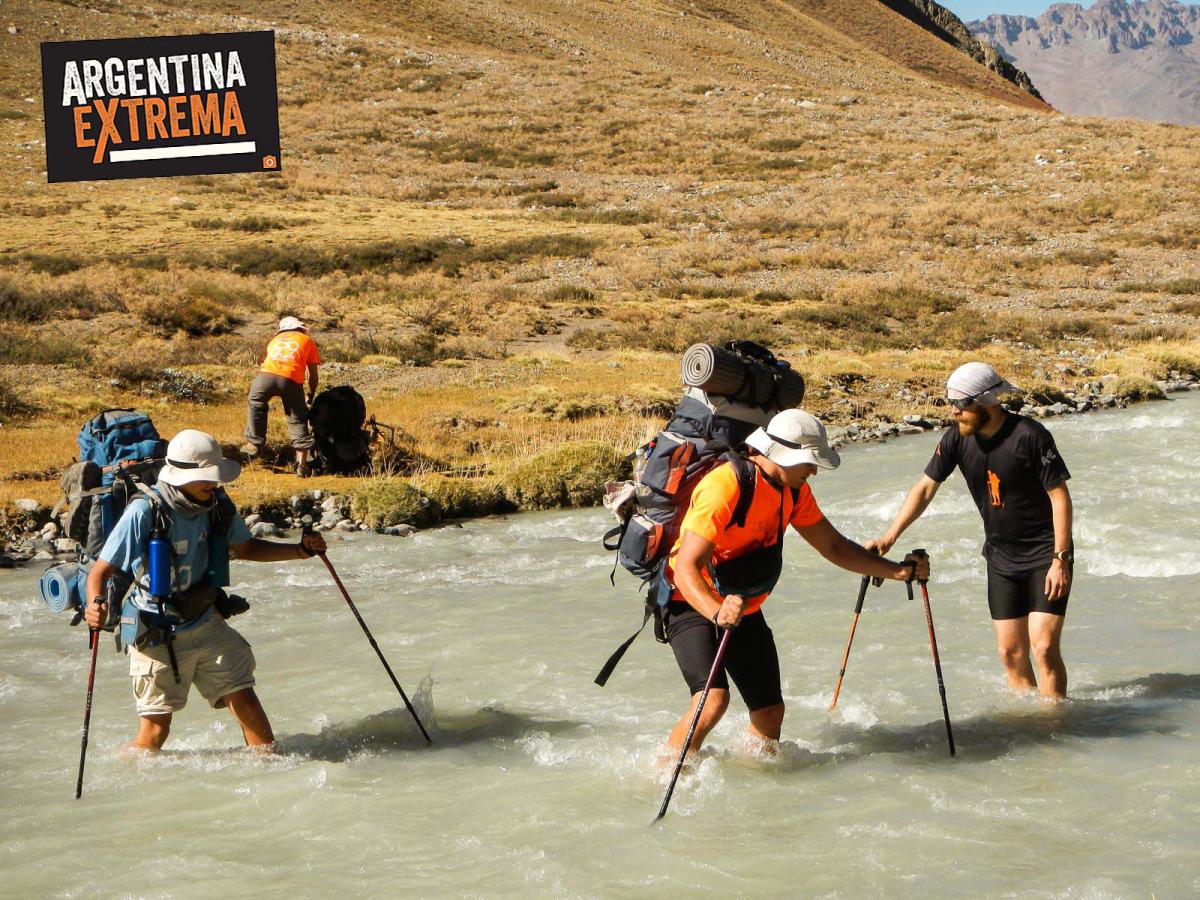
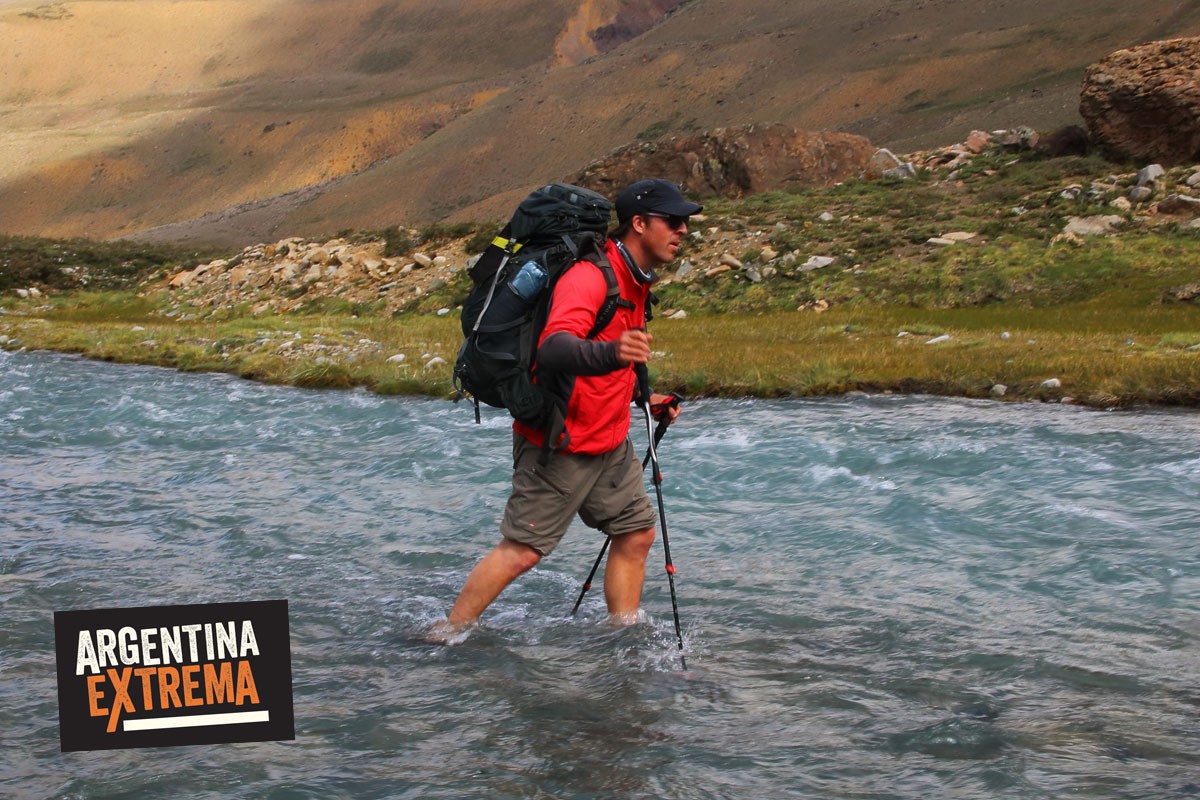
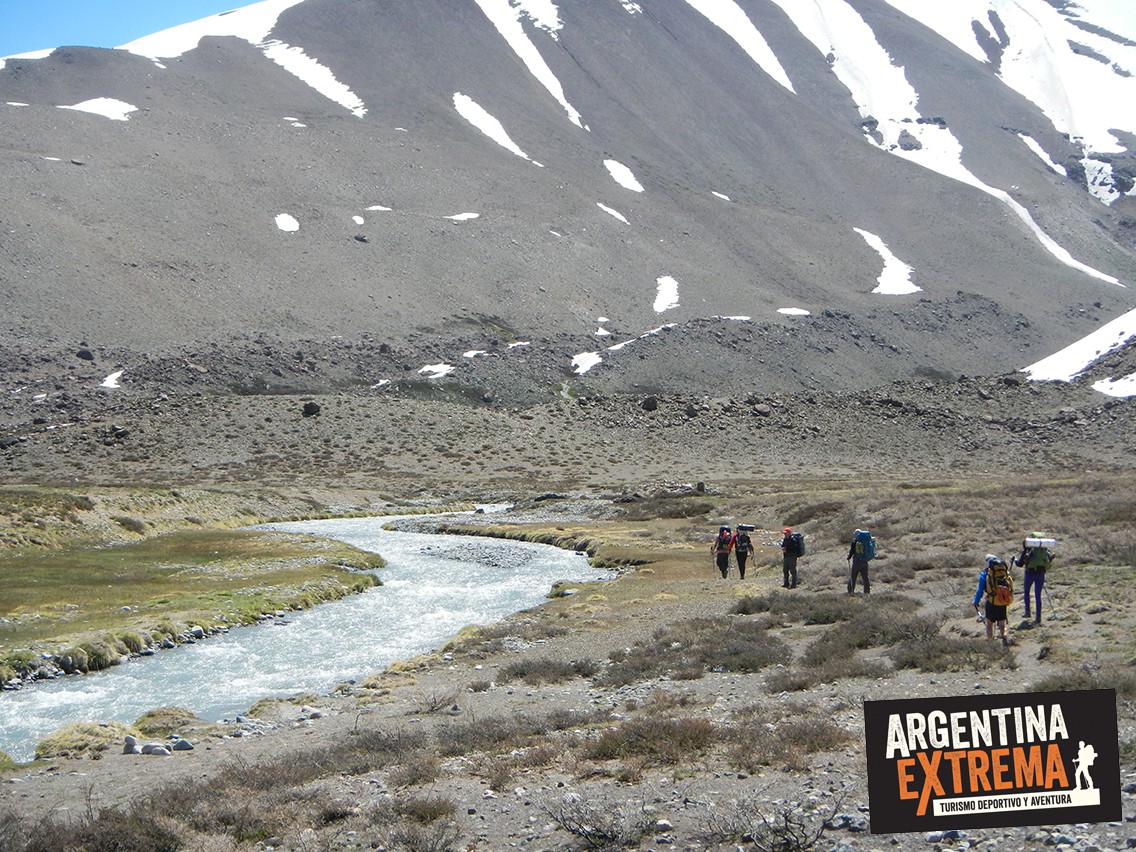
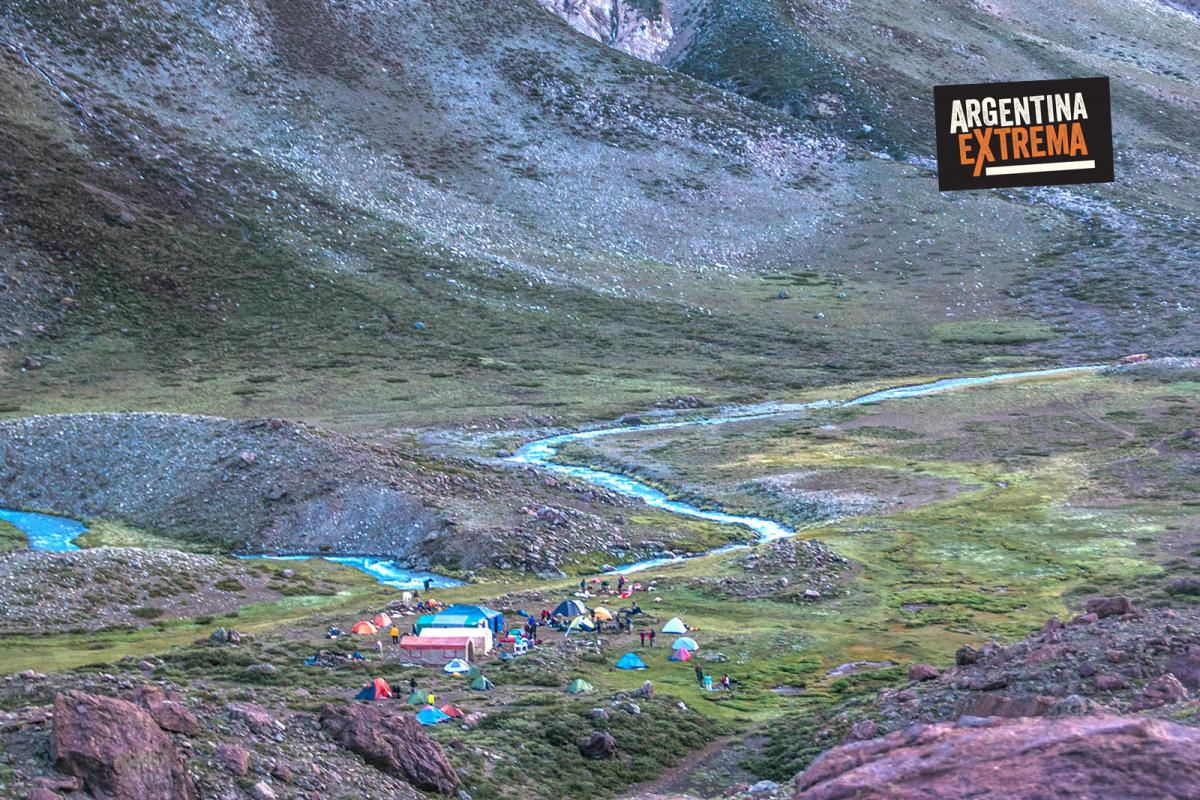
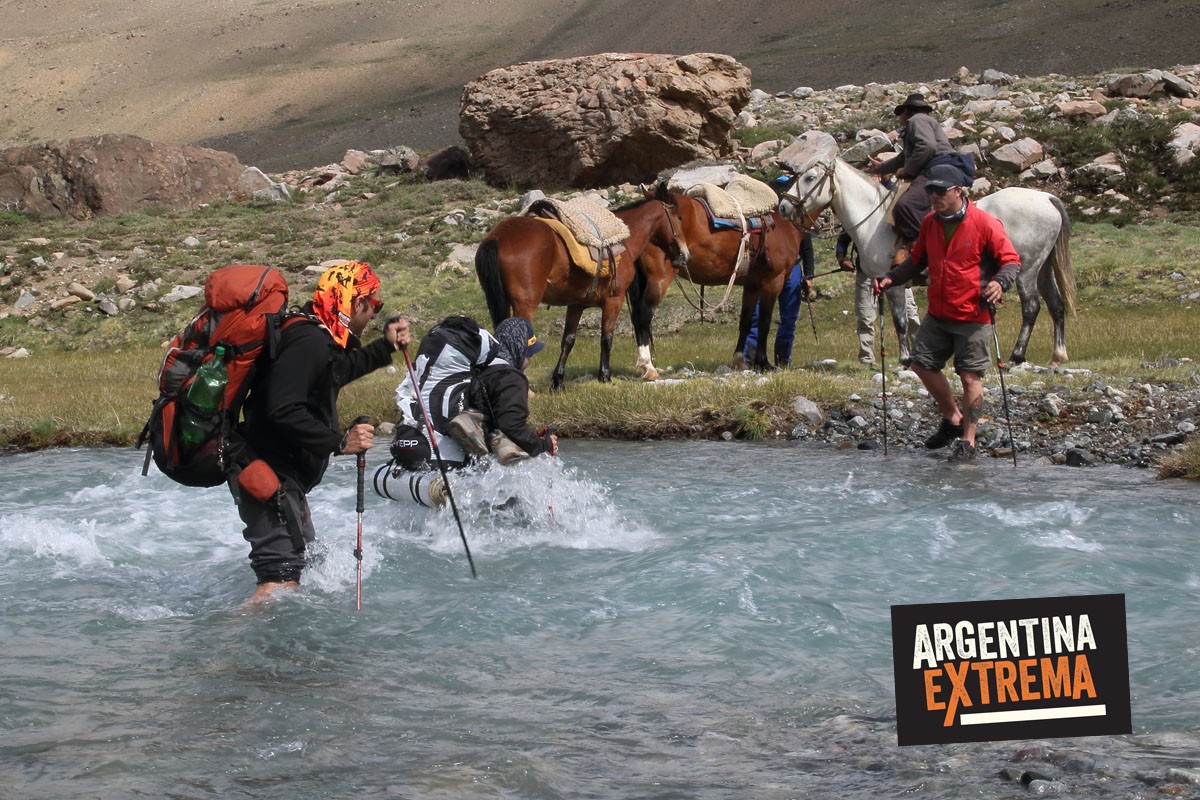
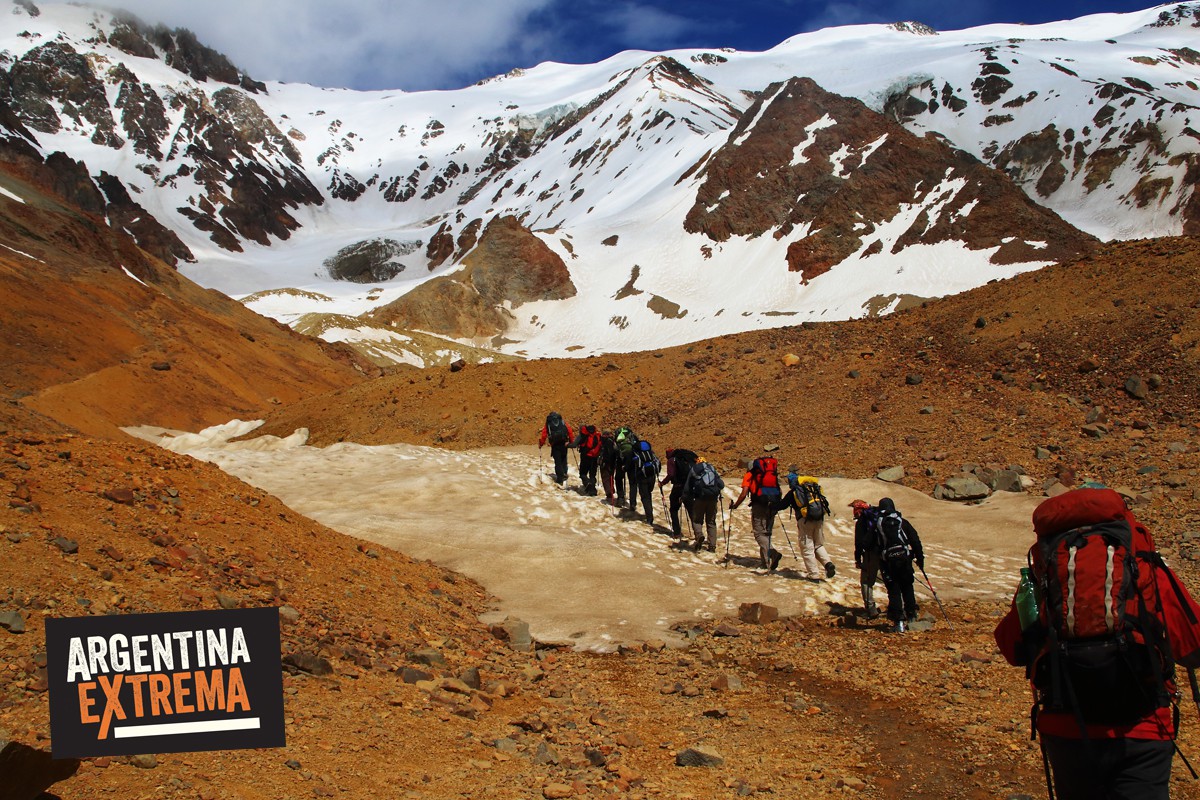
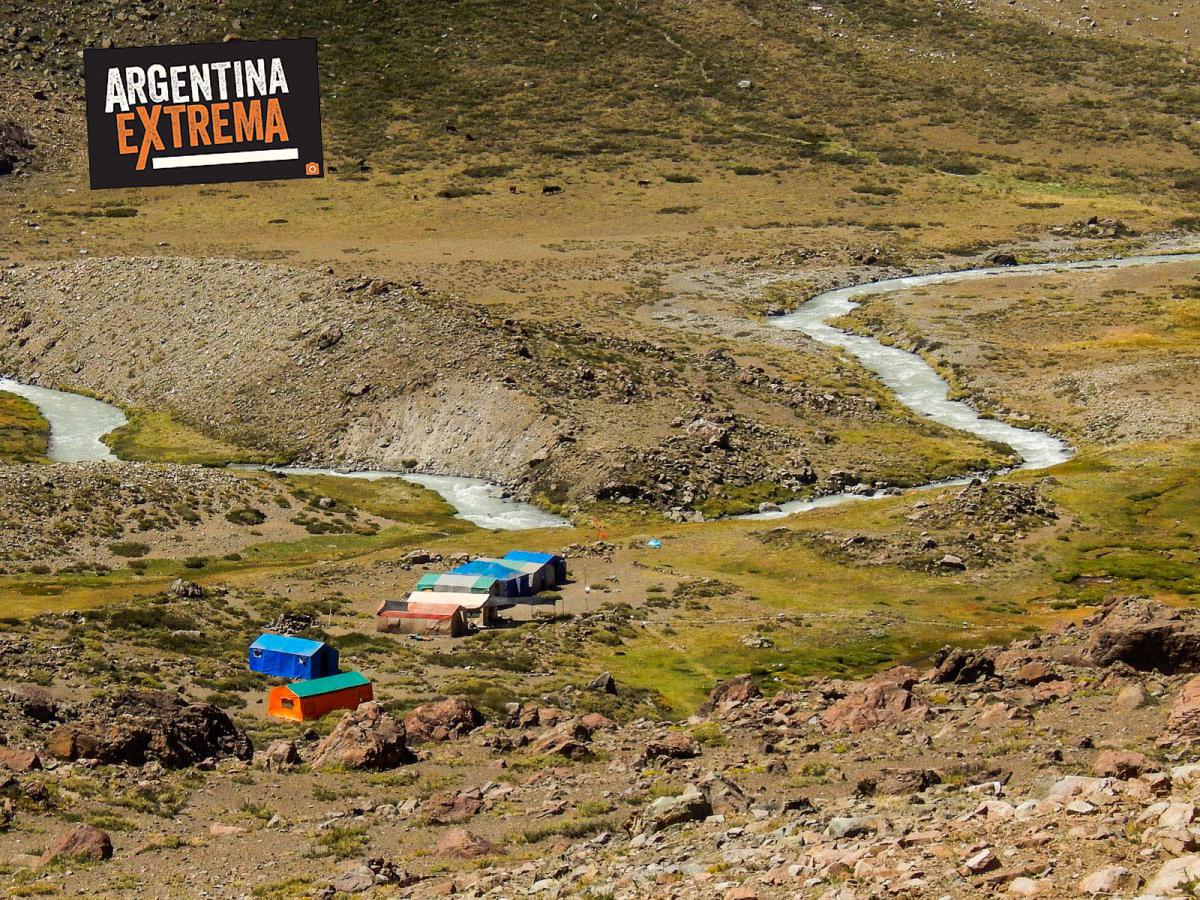
Day 1:  Meeting in El Sosneado at 8.30 am. Quick equipment check + presentation of guides. Transfer by vehicle to the west along the route that leads to the Soler and National Gendarmería shelter. Passing by the old abandoned thermal hotel, we will reach the Araya cattle station. Start of trekking. This day we will walk to the El Barroso base camp. We will first cross the Atuel River, on foot or with the help of horses. March lunch. Arrival at camp. Snack, dinner, rest.

  • Estimated walking time: 7 hours.
  • Elevation: 350 meters in total ascent (500 meters in ascent / 150 meters in descent)
  • Starting height: 2200 meters above sea level
  • Camp height: 2550 meters above sea level.


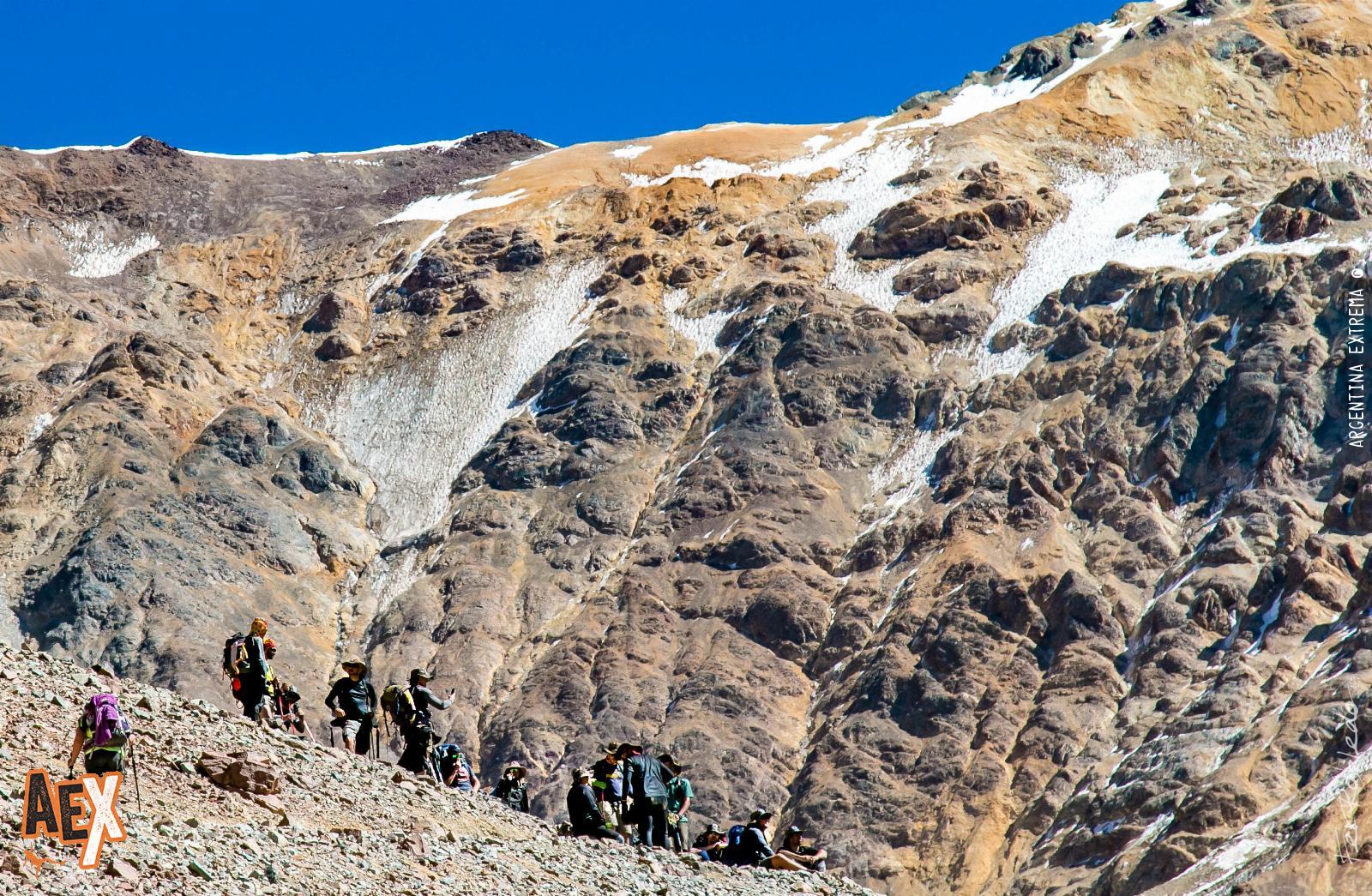
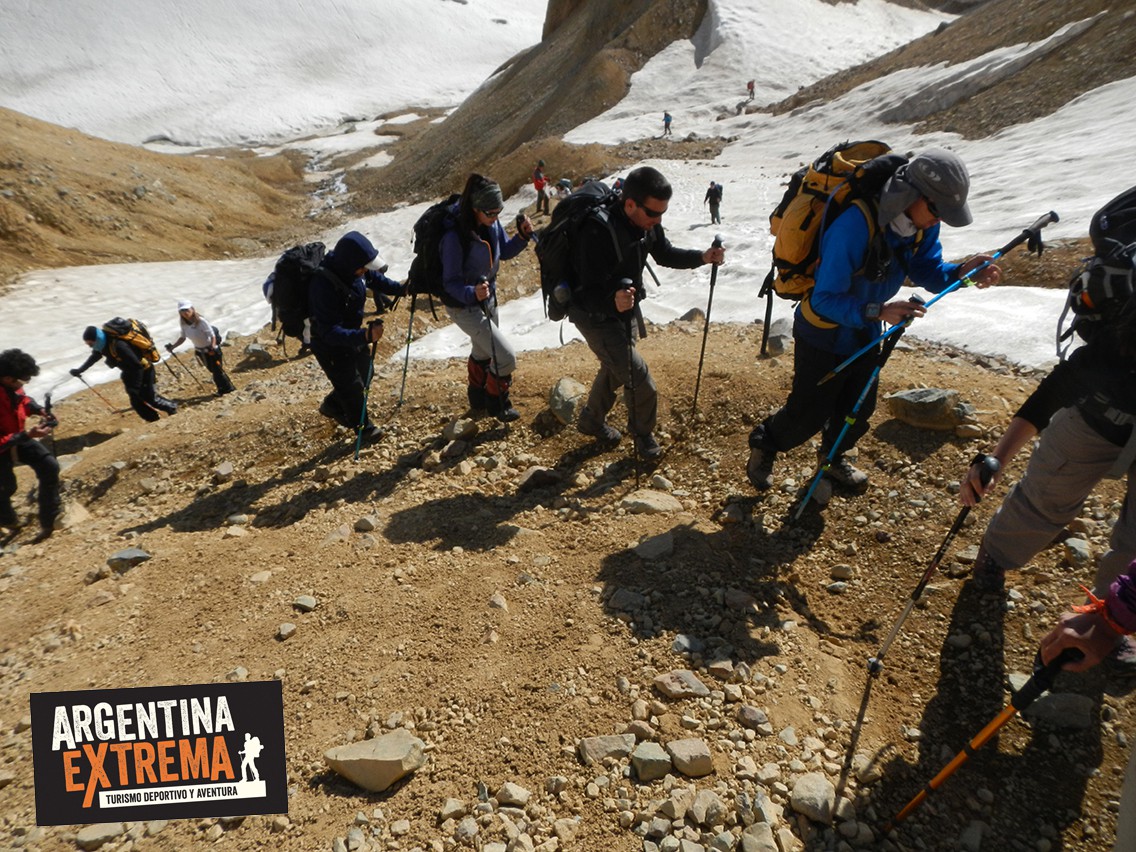
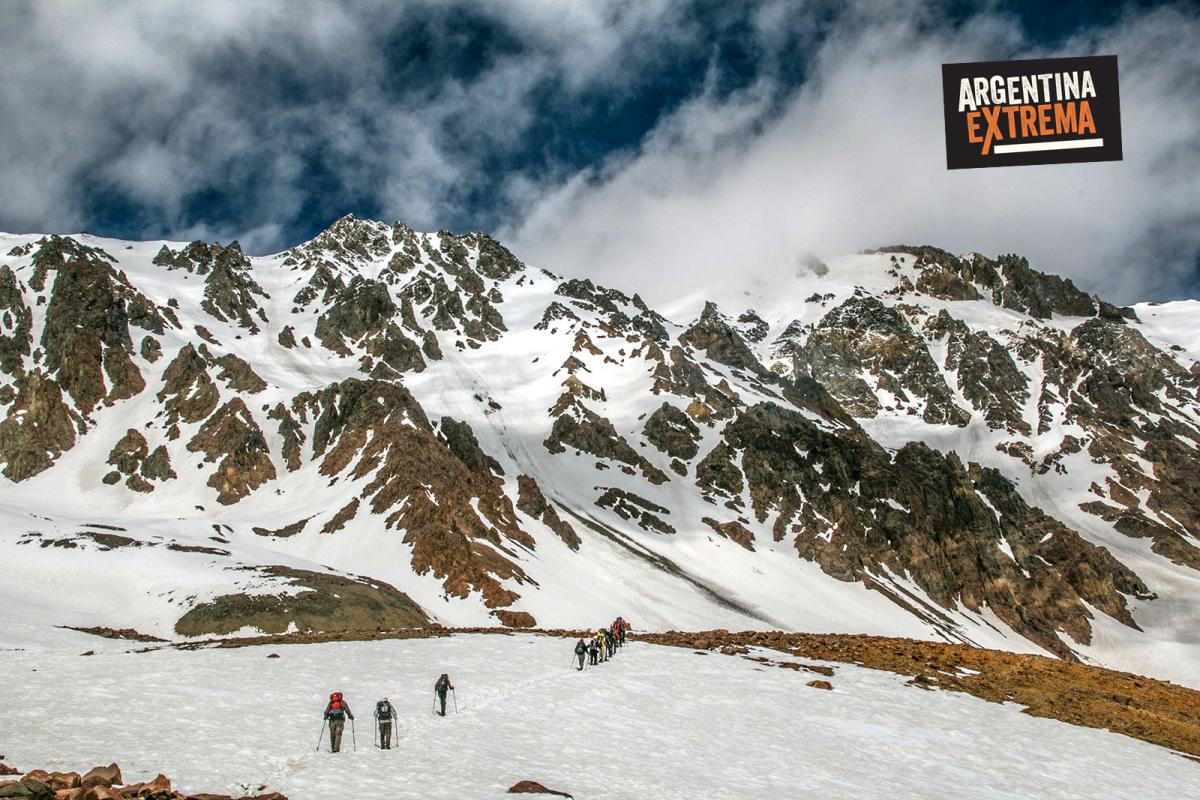
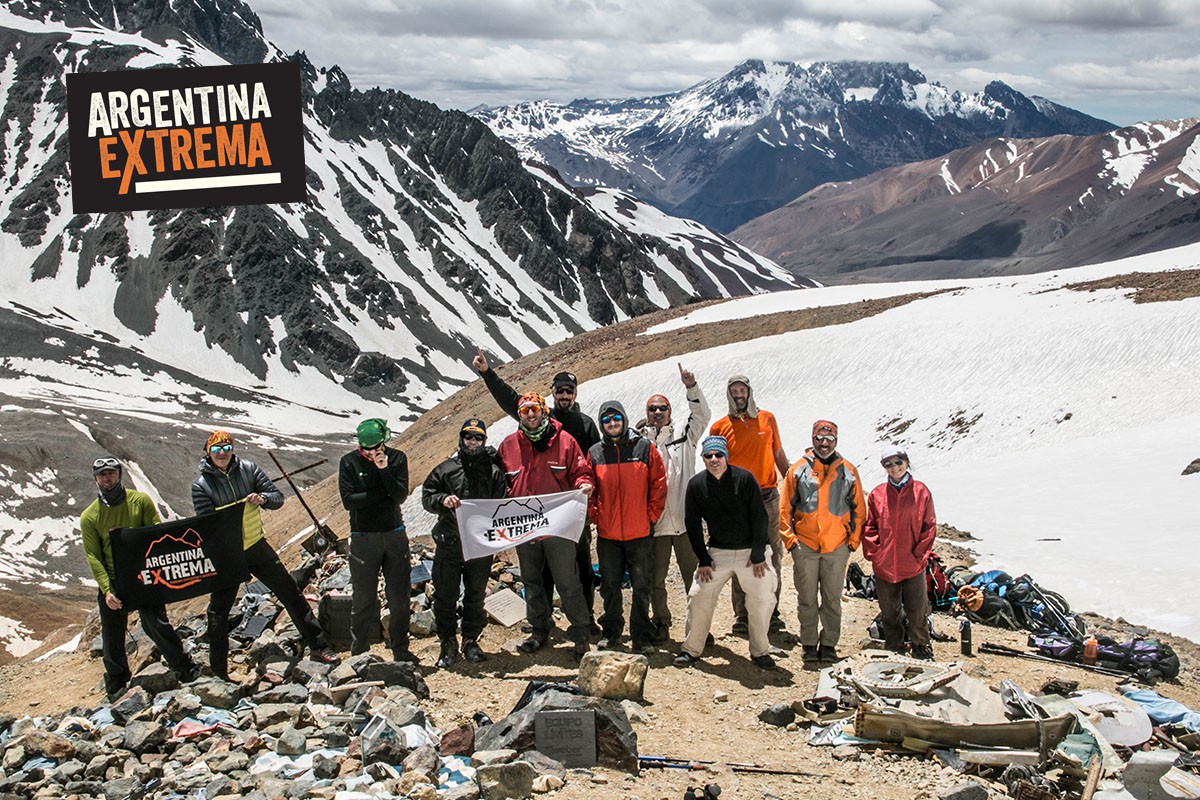
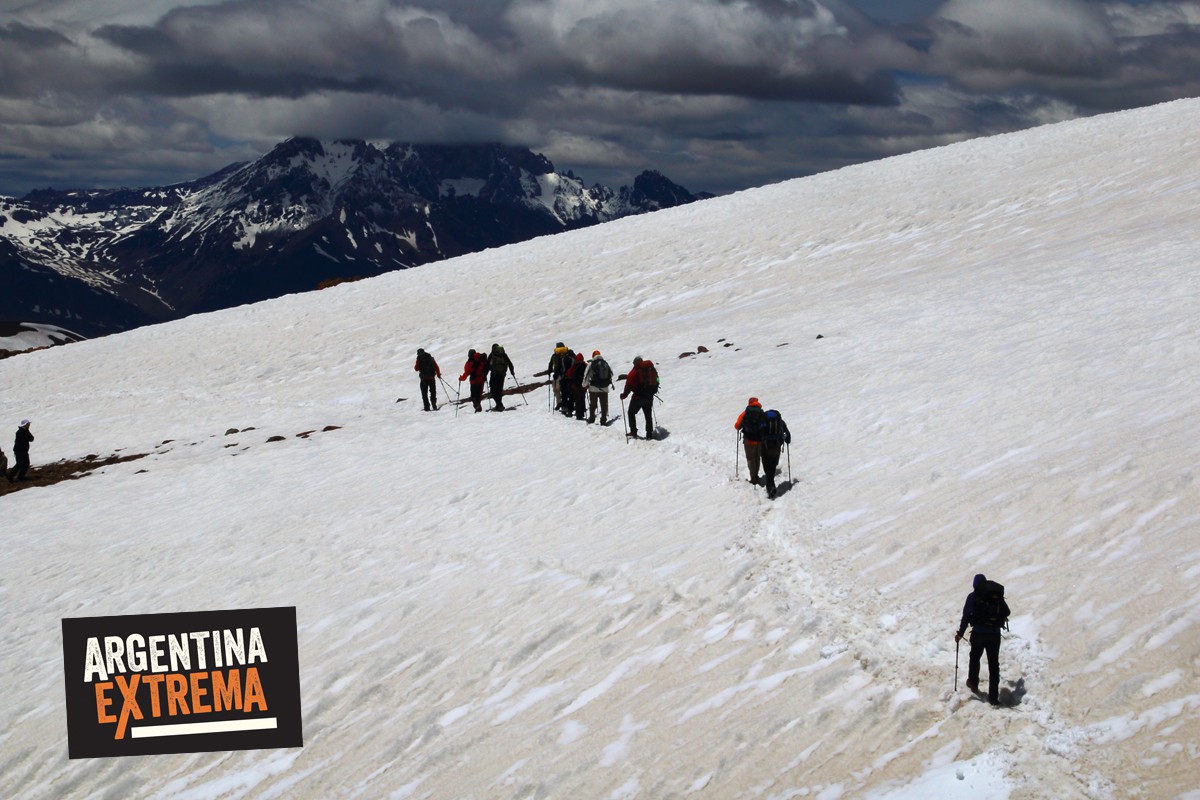
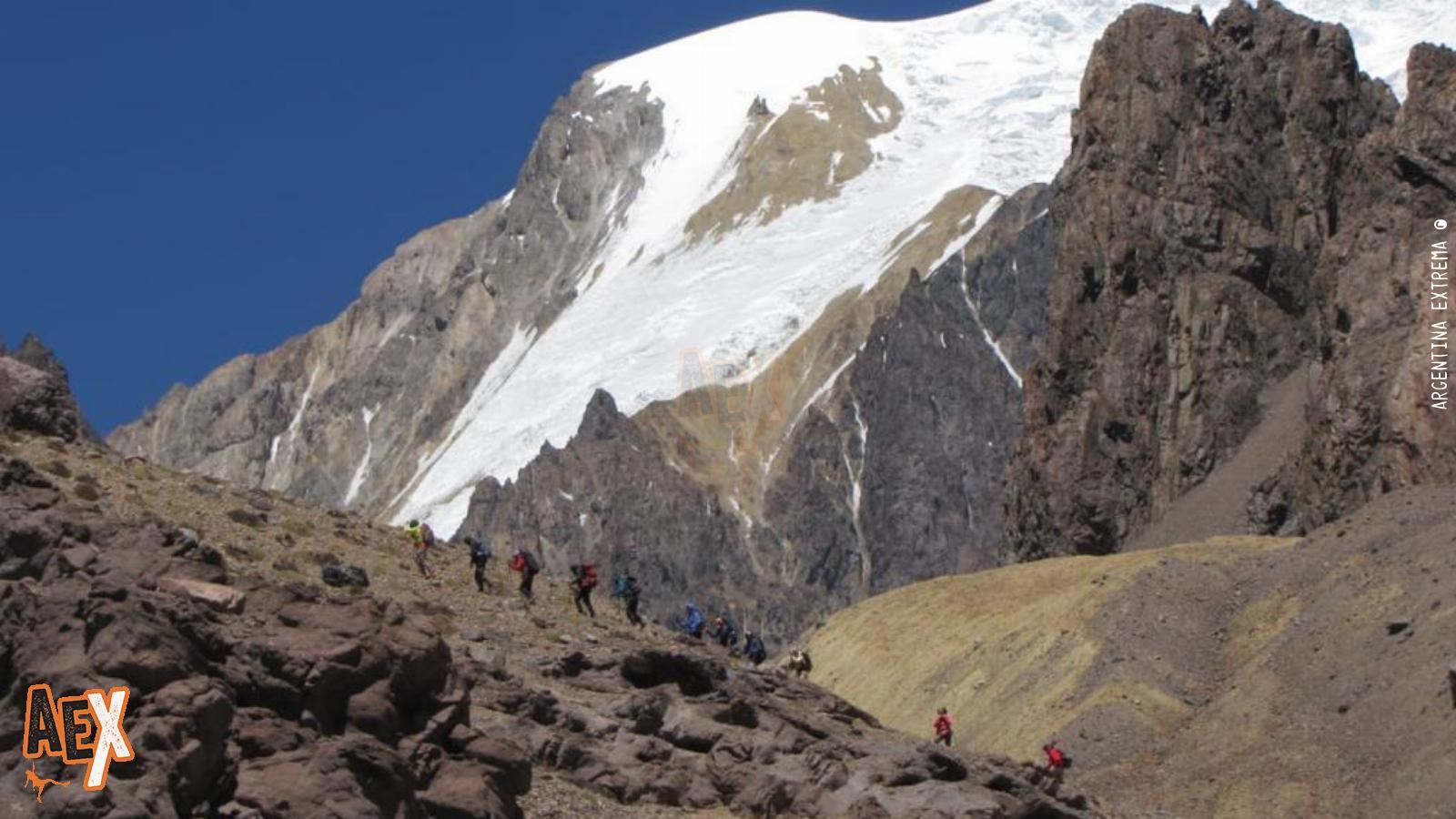
Day 2: Early departure to the Las Lágrimas Glacier. This day's journey will be the most demanding, since after three hours of walking we will cross the Río de Las Lagrimas and then we will ascend for two and a half extra hours to the site where the remains of the plane are located, at 3600 meters above sea level. We will silently pay our tribute to the victims, and then reconnoitre the place. Descent to camp. 

  • Estimated walking time: 7 hours one way, 5 hours back. Total = 12 hours.
  • Elevation: 1050 meters in ascent and 1050 meters in descent. 
  • Starting height: 2550 meters above sea level
  • Maximum height: 3600 meters above sea level
  • Camp height: 2550 meters above sea level.

Day 3: Breakfast and camp disassembly. We will walk back and descend to the Araya Post. Return to El Sosneado. End of our services. Homecoming. 

  • Estimated walking time: 6 hours.
  • Elevation: 350 meters in total descent (500 meters in descent / 150 meters in ascent)
  • Starting height: 2550 meters above sea level
  • Final height: 2200 meters above sea level

Good to know

A story that shocked the world...

On Friday October 13th 1972, a Uruguayan plane, carrying 45 passengers to Chile, many of whom were students and players from a rugby team, crashed in the Andes Mountains.
Twelve died from the impact and those who survived had to endure, among other things, the fearsome Cordillera with its thirty degrees below zero at night and the scarcity of food reserves.
Finally fed up with the very low temperatures, the threatening avalanches and anguished by the continuous death of their companions and the slow wait for rescue, two of them decide to cross the immense mountains to reach Chile.
On December 22nd of that same year, after having remained isolated from everything for 72 days, the world learns that sixteen defeated death. These events gave rise to the book and later to the film "Alive". Our tour invites you to visit this miraculous place that, on the other hand, has a very important landscape content.

Program subject to climatic, geographic or political conditions. Modifications to it may occur on the fly depending on circumstances and various factors. The decisions will be made exclusively by the guides, baqueanos and coordinators.
What is included

  • Local transfer to and from El Sosneado.
  • Baqueanos and pack animals to the Barroso camp (up to 5 kg per person). Important: the date of Easter due to climatic reasons, pack animals are not available.
  • Saddle horse to be able to cross the river, in case it is high.
  • Professional mountain guides.
  • Mandatory entry and ascent permit in the Valley of Tears.
  • Full board in the mountains (breakfast, energy drinks, lunch, snacks, dinner).
  • General kitchen equipment (pots, heaters).
  • Equipment and main first aid kit.
  • Communication equipment for emergencies: VHF, Satellite Telephone.
  • tents
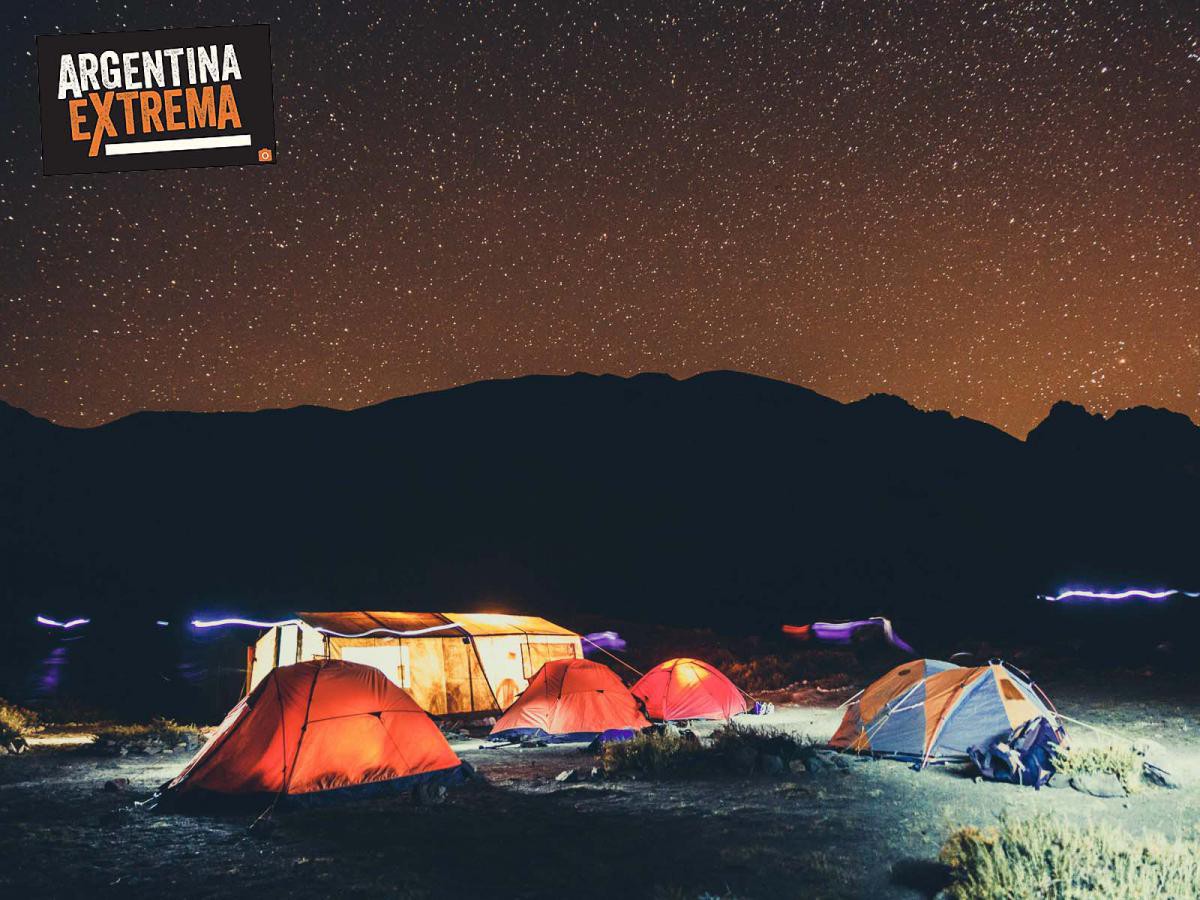
  • Dining tents at El Barroso base camp (with chairs, tables, crockery and kitchen).
  • Previous informative meetings.
  • Personal accident insurance.
  • Assistance and permanent coordination.

Not included

  • Trip to El Sosneado
  • Expenses caused by abandoning the program
  • Tips for Guides and Baqueanos.

Accommodation

  • First night in mountain tents for two or three people, provided by us.
  • The nights that we sleep at Camp Barroso we have tents with tables and chairs. Here we sleep in small tents or there is also the possibility of spending the night in the large ones, on the floor.

Meals

In all our expeditions we offer the meal service IN FULL BOARD PLAN:

  • Lunch: Milanesa and tomato sandwiches, cold sandwiches, snacks, salads, tapas, etc.
  • Dinners: Vegetable stews with bacon or chorizo; chicken and vegetable casseroles, pasta with various , barbacue (goat), Chaw Fan, chicken with rice among other meals
  • Breakfasts and snacks: Tea, Coffee, Cappuccino, Mate Cocido, Mate, Milk powder; bread, cookies, jam, honey, dulce de leche; cereals, fruit.

It is necessary to complete the personal / medical file to clarify if someone does not eat some type of food.

Recommended gear

MANDATORY EQUIPMENT *** (If this equipment is not available, the guides reserve the right to participate in the trekking)
  • Trekking-expedition backpack (60 to 80 litres) *** - Note on backpacks: CLICK HERE
  • Sleeping bag for trekking (ext temp from 0 to -5°) (eg 600 gs. of down or good synthetic). ***
  • A pair of trekking poles ***
  • Physically Fit*** (where your GP indicates that you are fit to perform this activity).
  • Water-resistant plastic bags to store all the clothes inside the backpack.
CLOTHING
  • Socks: several pairs of trekking
  • Underwear
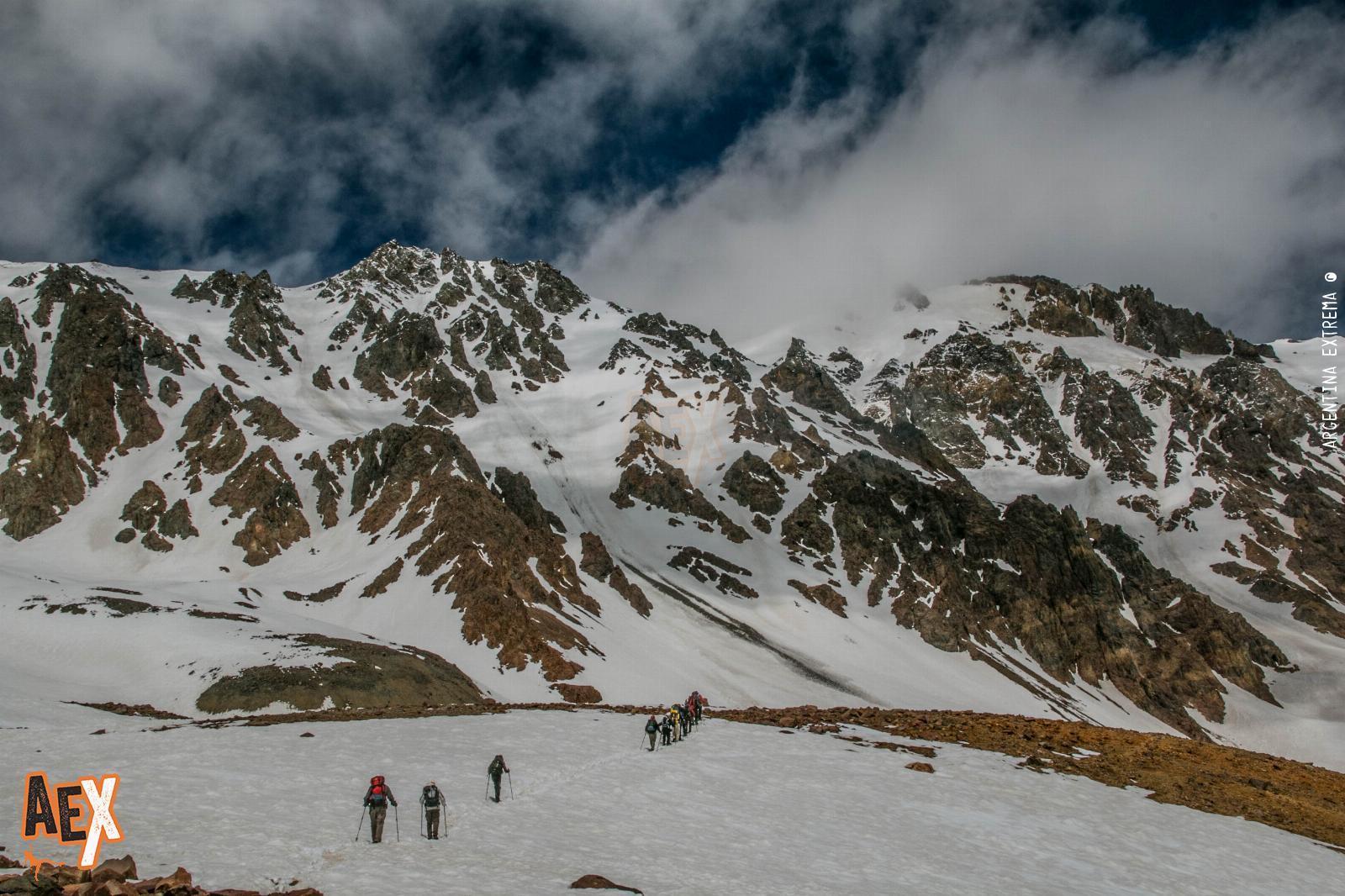
  • 1 pair of trekking boots (in conditions) ***. (Keep in mind that on the December date there is snow above)
  • 1 second pair of light shoes to wade (cross rivers) and get wet. Running type - (NO CROCS - NO SANDALS) ***
  • Long trekking pants (NO JEAN)
  • Long interior pants or leggings (not mandatory)
  • Dry fit synthetic short-sleeved t-shirts
  • Long sleeve shirt
  • Coats: Fleece jacket and duvet jacket (feather)
  • Waterproof jacket (ideal also breathable and windproof) ***
  • 1 sun hat (with flaps)
  • 1 bandana to cover the neck from the sun (multifunction bandanas type Buff)
  • Warm gloves.
  • Warm hat
PERSONAL ELEMENTS
  • Passport/ID
  • Travel Medical insurance
OTHER ELEMENTS
  • Headlamp with batteries (Batteries). ***
  • Mountain sunglasses.
  • Sunscreen (not less than factor 45). Lip balm
  • Toilet paper. Handkerchiefs
  • Baby wipes.
KITCHEN FOR PERSONAL USE
  • Water containers for at least 2 liters (it can be a plastic bottle)
  • Cutlery / Plate or tupperware (not glass or aluminum) / Plastic or ceramic glass or jar (not glass or aluminum).
OPTIONAL, not mandatory (see space and weight)
  • SILVER TAPE, for blisters and repairs.
  • Mate, bombilla and yerba
  • Steel thermos
  • Telescope, monocle. Photographic or video equipment.
  • Book, notebook, travel diary, pencil, pen.
  • Games; cards, dice, etc.
  • Penknife
  • Whistle and lighter.

FAQ

Do I need to be trained?

For any mountain activity you need to have a previous physical preparation, or be physically active. In this case we suggest training (jogging twice to three times a week, cycling or swimming) and doing a good leg workout (gym, crossfit, etc.)

Do I need to have previous experience?

We recommend walking at least once before this trekking with a backpack, although no previous experience is required. Having slept in a tent also helps as a experience for this trekking.

How much does the backpack weigh?

In a woman backpack, from 8 to 10 kilos, in a man from 10 to 12 kilos. 

Where do we spend the night?

Overnight is spent in mountain campsite in igloo tents, comfortable and for 2/3 or 4 people.

Do I have to carry a tent?

The tents are included in the service. If you want to bring yours, ask us.

Are there any breaks to rest?

Stops are given with a frequency and graduation according to the intensity.

There are breaks for lunch, snack, and rest.

How old do I have to be to do this activity?

From 13 years old onwards. We also recommend you to contact us before registering or registering a minor just to make sure that his/her experience is the suitable for this trek.

What is the weather like?

Even though we visit the area in summer, temperatures tend to fall at night. Easily dropping to 0 degrees Celcious / 32 Farenheit

How can I get to El Sosneado?

By car: After San Rafael city, at 140 kms away, you will arrive to Parador El Chacallal, on route 144. You can leave your car over here during the days of  the trek. GPS coordinates: -35.080516, -69.582824

By plane: There are daily services to San Rafael city but the schedules do not usually suit our departing time. For that reason you must spend the previous night in San Rafael and on the following day, you should take the bus service CATA INTERNACIONAL to El  Sosneado. (Check with us the issuance of tickets and reservations)

What do we eat?
  • Lunch: Milanesa and tomato sandwiches, cold sandwiches, snacks, salads, tapas, etc.
  • Dinners: Vegetable stews with bacon or chorizo; chicken and vegetable casseroles, pasta with various , barbacue (goat), Chaw Fan, chicken with rice among other meals
  • Breakfasts and snacks: Tea, Coffee, Cappuccino, Mate Cocido, Mate, Milk powder; bread, cookies, jam, honey, dulce de leche; cereals, fruit.

It is necessary to complete the personal / medical file to clarify if someone does not eat some type of food.

Difficulty graduation

Backpack weight60%
Physical60%
Technical40%
Mental60%
Altitude40%

Scale 0–100%. Argentina Extrema graded difficulty system. How it is measured
Photos and videos

Request your place

We will reply by email or WhatsApp with full details, payment options and how to confirm.

Enquiry about: The Uruguayans Plane, Trekking to the place of the Miracle of the Andes. — January 4, 2028
No commitment. You will not be charged.

Get ready

Other

Inca Trail Trek

Machu Picchu is such a magical place, but I think the trip became even more magical because of how we did it.

You may also like