Trekking & mountaineering
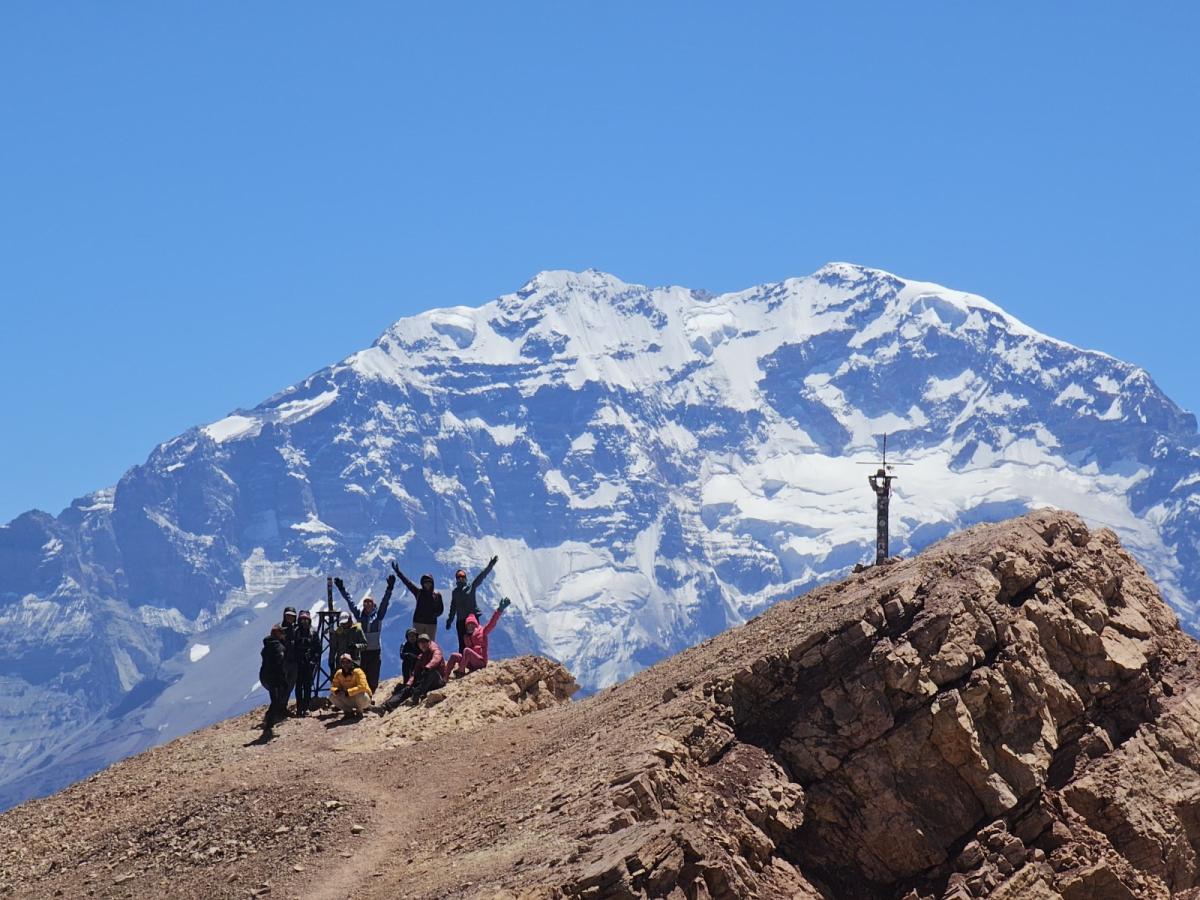
Llullaillaco Volcano, the guardian of the highest archaeological site on the planet
The journey toward this giant of the Puna is a supreme challenge for body and soul (o for body and spirit
Climb of Peteroa Volcano and Azufre Volcano - border with Chile - Mendoza
A program in the Andes Mountains of southern Mendoza, on the border with Chile. The Peteroa (3900), Azufre (4050) and Planchón (3950) volcanoes, right at the pass of the same name, form a rugged and isolated environment that invites a different kind of adventure. With old glaciers and patches of perennial snow, the terrain of these mountains captivates with wind-carved formations such as penitentes and raised snow tracks. A campsite next to the border police post and sulfur hot springs alongside a watercourse that is one of the sources of the Río Grande (which, together with the Rio Barrancas, gives rise to the famous Río Colorado, running through central Argentina).
Day 1: Meeting at midday in Malargue. Equipment check, introduction to the guides. Transfer to Las Loicas and then, along the road heading to the Vergara-Planchón pass, to the sulfur hot springs and the National Border Police post. About a 4-hour trip. Setting up camp. Rest. Dinner and overnight.
Day 2: Trekking day toward Planchón Pass, on the border with Chile. Climb to viewpoints and secondary summits. Visit to the hot springs. Acclimatization and rest. Return to camp.
Day 3: Climb of Peteroa Volcano and Azufre (weather permitting). We set out very early and climb a ridge to the upper section. Crampons used. The summit and the upper ridge lie right on the border between Argentina and Chile. Great views of the whole mountain range (south to Volcán Domuyo and north, including the valley and mountains where the Uruguayan plane crashed in October 1972). Return to camp in the afternoon.
Day 4: Breaking camp. Transfer back to Malargue. Option (to be confirmed) of finishing the program with rafting on the Río Grande, in the Las Loicas area. Arrival in Malargue after midday. End of program
This program visits a little-known region. We move out and back from camp, so there's no need to carry much weight in your backpack. That said, a good fitness level is still important.
Is this climb for beginners?
Not entirely for beginners. It's best to have done some other backpacking or trekking adventure before. That said, it's a very good option to start out in high-altitude mountaineering. Physical level: demanding
How do you get there?
The meeting point is at the Malargue bus terminal. You can travel by plane combined with a bus, by bus, or by car.
Where do you sleep?
In tents provided by our company. You need to bring a sleeping bag and sleeping pad (we can rent these to you).
What equipment do you need to bring?
Check the section where you can see everything you need to bring. A small-to-medium trekking backpack of between 35 and 50 liters, waterproof trekking boots, a sleeping bag and a third-layer parka jacket are the main items.
What do you eat?
During the activity we eat quick-digesting, energy-dense food like fruit, energy bars, nougat, dried fruit and nuts, etc. At midday, cold food to keep going, like sandwiches, savory pies, empanadas, salads, etc. At night a hearty, hot dish such as pasta, sauce or lentil stew, chicken with rice, and others.
Scale 0–100%. Argentina Extrema graded difficulty system. How it is measured


We will reply by email or WhatsApp with full details, payment options and how to confirm.
Trekking & mountaineering
The journey toward this giant of the Puna is a supreme challenge for body and soul (o for body and spirit
Trekking & mountaineering
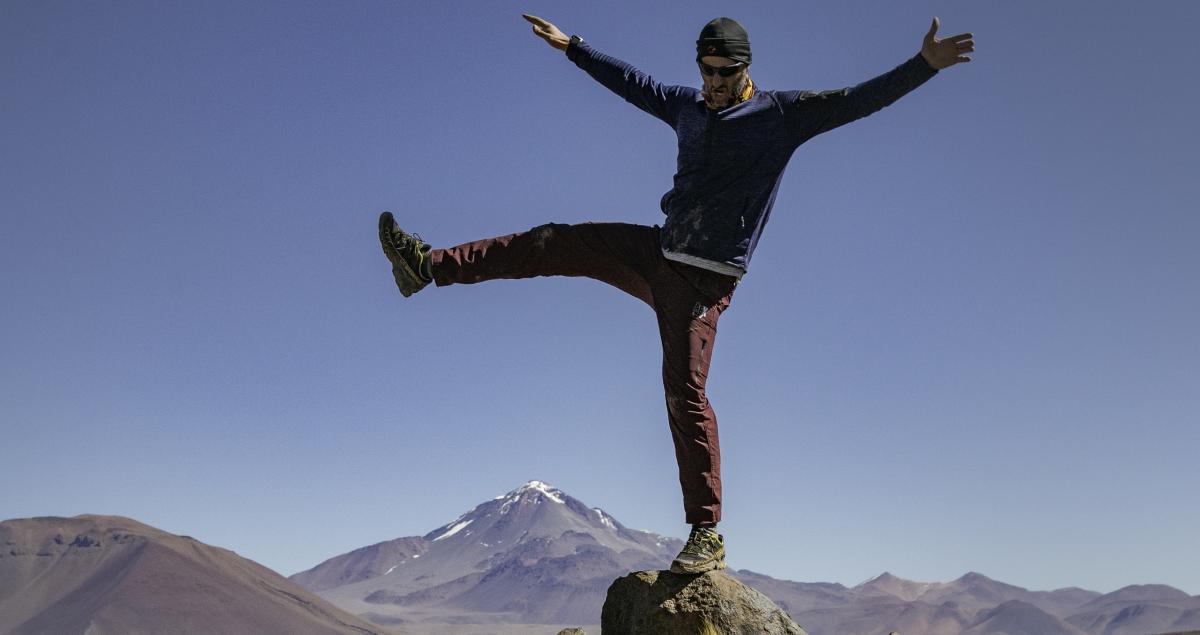
Details of Argentinas most outstanding ascents on low to mid-high mountain peaks and volcanoes
Trekking & mountaineering
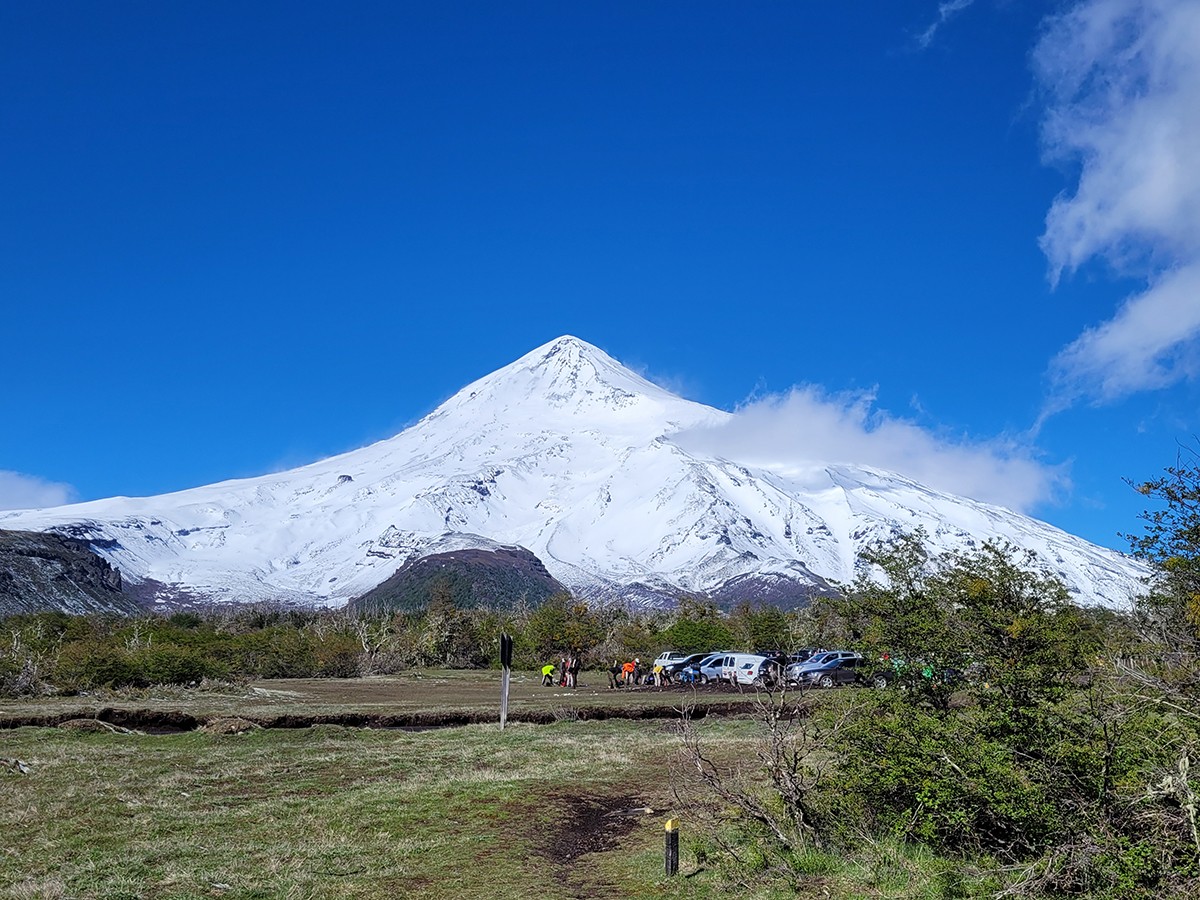
Geography, legend, history, Mapuche influence and how to climb it
Summit climbs · Patagonia
Summit climbs · Cuyo