Other
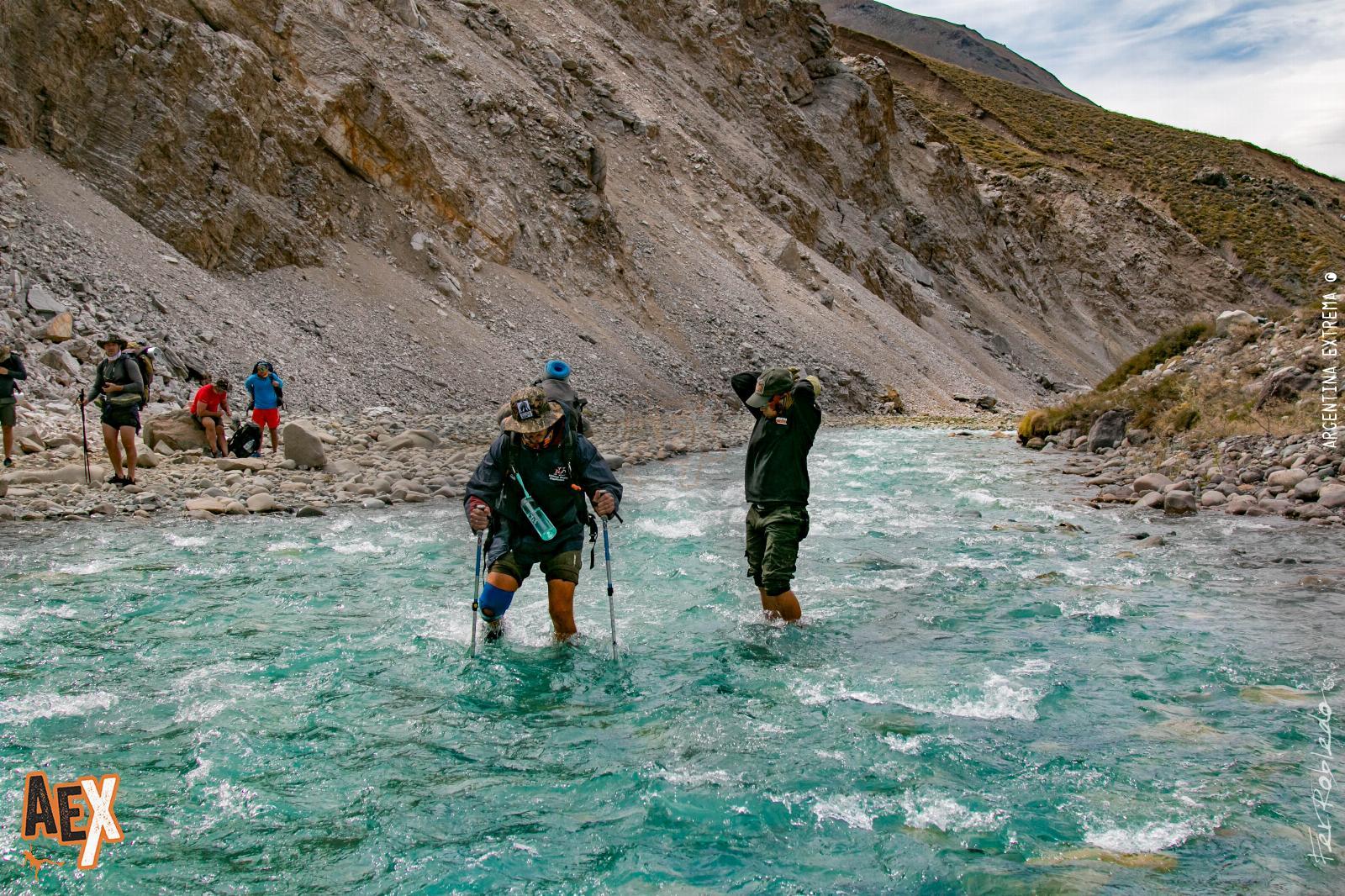
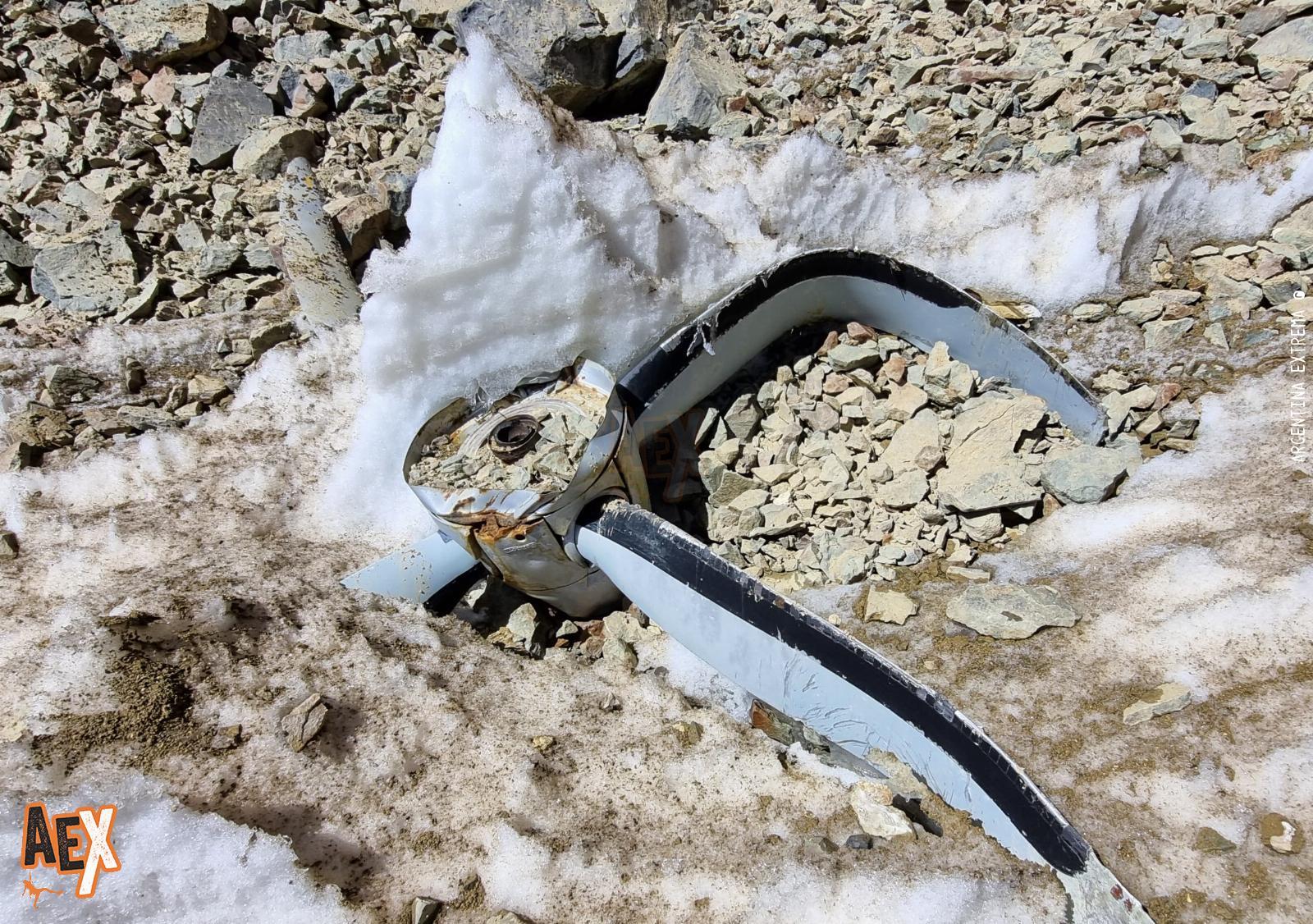
Valle de las Lágrimas: the Horseback Ride to the Memorial Where the Andes Tragedy Happened
Revista Lugares Expedition - La Nación Newspaper
A 10-day expedition in the Russian Caucasus, to the highest mountain in Europe
Elbrus is a dormant stratovolcano located in the western part of the Caucasus range, in Kabardino-Balkaria (Russia), near the border with Georgia. It is the highest point in Europe, making it one of the 7 Summits, the highest peak on each continent.
It is the highest mountain in Russia and in the Caucasus range, which, together with the Ural Mountains, traditionally marks the border between Europe and Asia.
The lower of Elbrus's two summits was first climbed on July 10, 1829 (Julian calendar) by Killar Khashirov, a Karachay guide.
Since this is an artificial border, the northern part of the Caucasus is considered European and the southern part Asian. Therefore, Mount Elbrus, at 5642 m in the northern Caucasus, is the highest mountain in Europe.
It was traditionally believed that the legendary Mont Blanc was the highest in Europe; however, Elbrus exceeds it considerably.
Even today it remains a matter of dispute due to its position on the boundary between Europe and Asia, in the Caucasus.
Day O. MOSCOW - Meeting/arrival in Moscow. We'll use this day to get together and explore some of this legendary city. Rest. Those who prefer can meet us directly in Mineralnye Vody
Day 1. MINERALNYE VODY. Meeting at Mineralnye Vody airport at 2:00pm. The local guide will be waiting at the airport to accompany us. Bus ride (3 to 3.5 hours) to the Snezhny Bars (Snow Leopard) Hotel (2100 m) in the Baksan Valley, near the base of Mount Elbrus. The hotel has double and triple rooms. Single rooms are available at an extra cost, depending on hotel availability. On this day you can rent extra gear needed for trekking: trekking shoes, poles, sunglasses, jacket, etc. Overnight at the hotel.
Day 2. Acclimatization. Climb to the Cheget-2 cable car station (2750 m) on Mount Cheget, 2.5 to 3.5 hours up and about 1 hour down. Overnight at the hotel.
Day 3. Acclimatization. Climb to the Cheget-3 cable car station (3000 m) on Mount Cheget (3 to 4 hours up and 1.5 hours down). The other option is to climb Terskol Peak (3150 m) (4 to 5 hours up and 1.5 to 2 hours down). The choice will depend on the group's physical condition and weather conditions. Overnight at the hotel.
Day 4. Acclimatization. We head to the Azau Valley. We take the lifts up to the Mir cable car station (3500 m). Climb to Priut 11 (4100 m). Descent to the hotel. Last day at the hotel. Free time to finish gathering the necessary gear: mountain boots, crampons, harness, warm jacket, sleeping bag, etc. Overnight at the hotel.
Day 5. On this day we move to the mountain refuge (3800 m). Any gear we won't use on the ascent can be left at the hotel. We reach the refuge using the lifts. At the refuge we'll have a light lunch. To continue acclimatizing we'll climb up to 4400-4500 m. Overnight at the refuge.
Day 6. Climb to Pastukhov Rocks (4800 m), 6 hours up and 2 hours down. Overnight at the refuge.
Day 7. Rest day. On this day we'll do a snow and ice course with the guide near the refuge: use of crampons, how to walk on ice, self-arrest techniques with an ice axe on a slope, etc. Overnight at the refuge.
Day 8. Summit day. We leave the refuge at approximately 3 am and head for the west summit of Mount Elbrus (5642 m). It's possible to rent a snow vehicle, which can carry up to 12 people to Pastukhov Rocks and save 4 hours of walking. Generally, for an average group, it takes 9 hours to reach the summit and 5 hours to return to the refuge.
We generally spend the night at the refuge. If all group members return from the summit before 3 pm, we could consider descending to the valley and spending the night at the hotel. However, keep in mind that this would mean an extra payment for the hotel night, since the refuge night is already paid for.
Day 9. This day is a backup in case of bad weather on summit day. If the group attempts the summit on this day, the descent to the valley must happen that same night without exception, which can be a bit tough since the lifts stop running at 4 pm. Back at the hotel we'll have dinner along with the presentation of Elbrus ascent certificates. Overnight at the hotel.
Day 10. Transfer to Mineralnye Vody airport in the morning. End of the expedition
This is a high-altitude mountain expedition, with the added benefit of traveling with a guide-coordinator from Argentina and having good camp service, meals and gear porters. Even so, it's best to prepare properly and have prior experience in ascents and/or long-distance (LR) treks.
As long as you are physically fit and able to handle a high-altitude trekking expedition, there shouldn't be a problem. Except for summit day, this is a progressive trek with movements tied to acclimatization.
We'll advise you on the flight, which has a layover in Moscow.
We'll advise you on this. Read through our list and let us know. From us you can mainly rent a sleeping bag and poles.
About 4 hours a day during acclimatization, and summit day is the most demanding, with approximately 10-12 hours of activity.
We sleep at mountain camps, hotels, and special refuges.
Very little — just the gear you use each day; the rest is carried by porters and vehicles.
On all our expeditions we provide meals on a FULL BOARD basis.
Here we rely on regional cuisine, which is very hearty.
It is necessary to complete the personal/medical form to note if anyone has any dietary restrictions.
Scale 0–100%. Argentina Extrema graded difficulty system. How it is measured


We will reply by email or WhatsApp with full details, payment options and how to confirm.
Other
Revista Lugares Expedition - La Nación Newspaper
Trekking & mountaineering
The best large-capacity backpacks available in Argentina, specifically designed and adapted for the female bo…
Trekking & mountaineering
Climbing the 7 highest summits of the 7 continents.
Expeditions · Cuyo
from US$ 980
Expeditions · Cuyo