27Dec
Expeditions · Cuyo
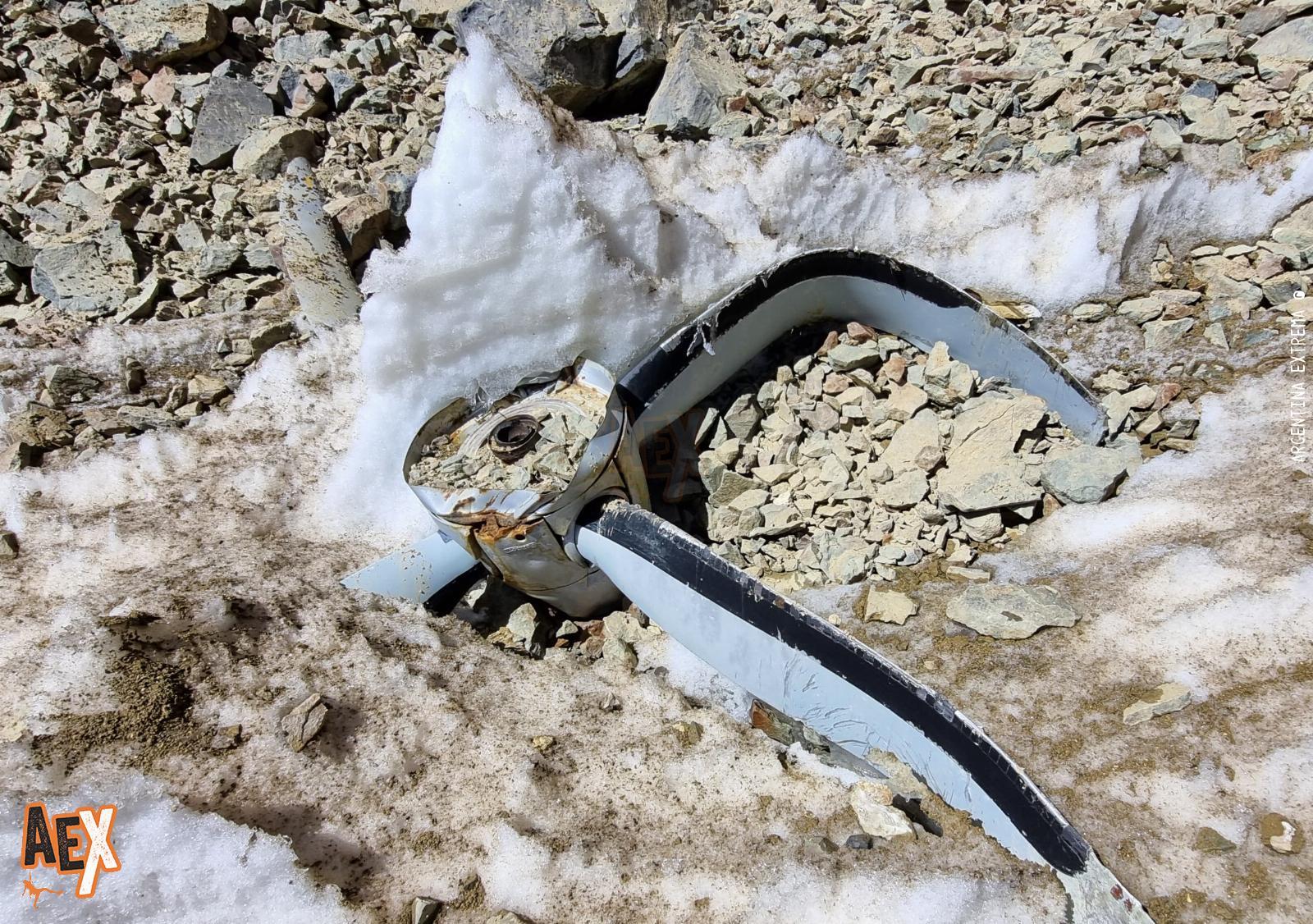
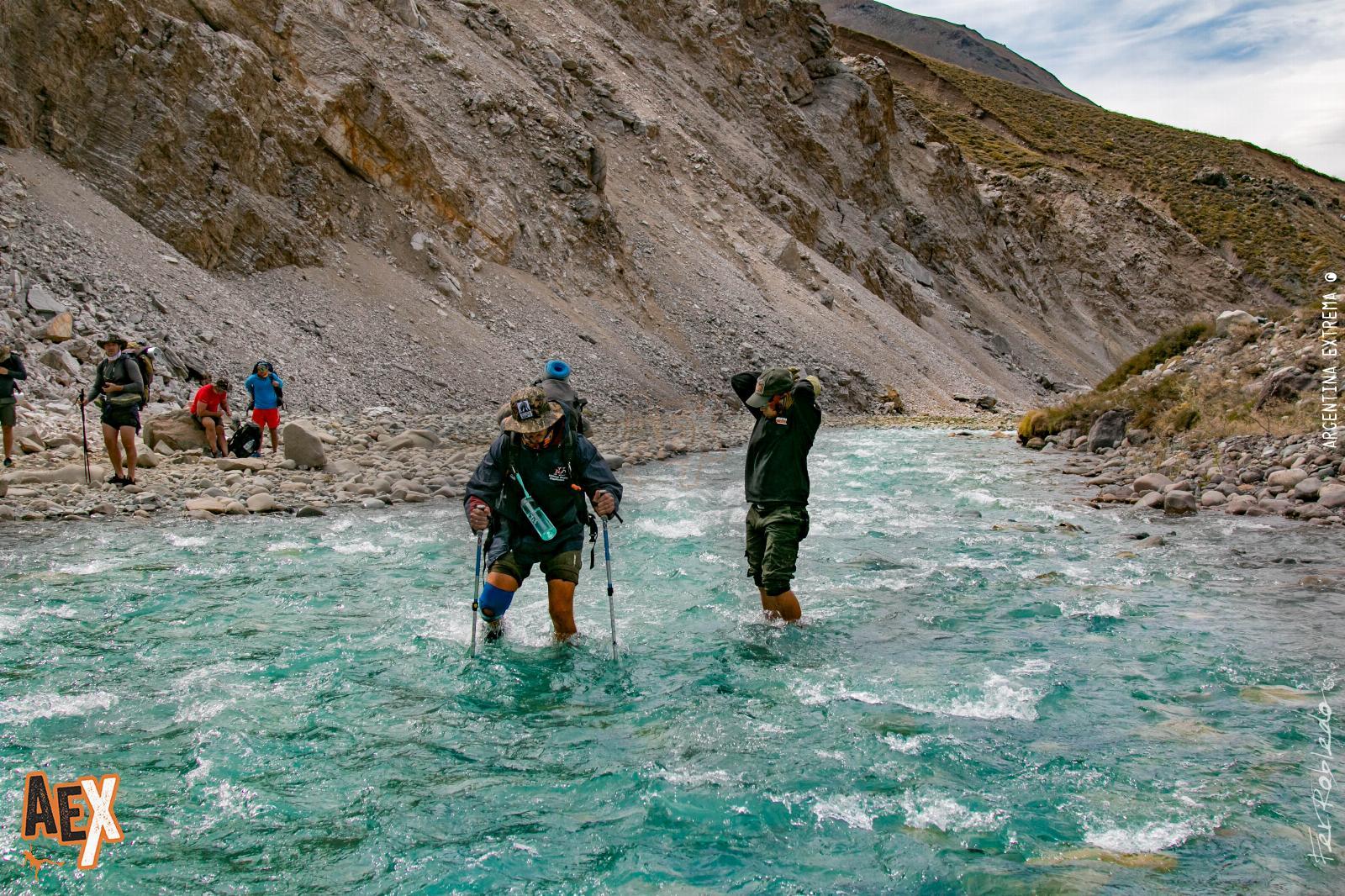
Trekking and Exploration to the Andes Survivors site - El Sosneado, Mendoza
- 3 days
- Intermediate
- 5 spots
from US$ 1.230
Camino Primitivo - From Oviedo to Santiago de Compostela - 334km - 13 stages.
The Camino Primitivo was the route used by the first pilgrims. It was the route followed by Alfonso II the Chaste, from Oviedo to Santiago de Compostela, after the remains of the apostle Santiago were discovered, in the early 9th century.
Lugo, a thousand-year-old city and World Heritage Site, at the foot of its fabulous Roman wall, is where we begin this beautiful route through Galician lands, across the most rural Galicia, dotted with small villages.
On reaching Melide, we join the pilgrims of the Camino Francés, and from a single path head toward Santiago, through wooded areas full of eucalyptus, numerous streams and a multitude of chapels that mark the route. From Monte do Gozo, at the gates of Santiago, we'll enjoy an exceptional view of the Cathedral and the city of the Apostle.
Detailed trip itinerary
The group gets together for a briefing. You can arrive in Oviedo at any time of day; the briefing will take place at 8pm.
Breakfast and we begin our route. This stage runs first along the slope of Monte Naranco. We will walk on dirt trails and paved road. Chestnut trees and large meadows will accompany the route, which will have the climb to El Escamplero as the challenge of the day.
Worth noting are the Casona de la Portalada, in Premoño, the Puente de Peñaflor and its church.
Breakfast and we begin our route. The second day starts with solid climbs up to San Juan de Villapañada and the Alto del Fresno pass. We are in Central Asturias, with many river valleys, passes and small villages. After a well-earned breather, the route descends toward San Marcelo and La Doriga. From this point a path drops down to the road near Casas del Puente. The route then continues to nearby Cornellana, bathed by the salmon-rich Narcea river, and continues on to its destination passing through Llamas, Quintana and Casazorrina.
Monastery of San Salvador de Cornellana, a notable monument in Cornellana.
Salas is a medieval town with numerous well-preserved monuments, notably the Torre de los Valdes and the Colegiata de Santa María la Mayor
From the sheltered lowland of Salas the route climbs to the small village of Porciles to cross a plateau exposed to harsh weather, passing through the towns of Bodenaya and La Espina and entering the Council of Tineo via La Pereda and El Pedregal.
In Tineo begins a series of steeper stages, where the scenery remains captivating and the wide valleys give way to a terrain of forests and mountains.
You can feel the calm and "solitude" of the Camino. Worth noting is the Monastery of Santa María la Real, in Obona.
The Puerto del Palo pass is a fitting name for the tough obstacle that must be overcome, which nonetheless makes today's stage one of the most beautiful of the entire pilgrimage.
Worth noting is the Chapel of Santiago, in Montefurado, with its carving of the Apostle Santiago, and in Berducedo, the church of Santa María.
Spectacular views and mountainous terrain will be seen on this stage, with the Navia river valley and the Grandas de Salime reservoir as witnesses. A short stage characterized by the long descent leading down to the Grandas de Salime reservoir.
The Ethnographic Museum of Grandas de Salime and its Parish Church of San Salvador are must-see visits.
Reaching the top of the Puerto del Acebo pass, where this shrub (holly) grows, the Camino Primitivo enters the province of Lugo. About 170 kilometers remain to reach Compostela. The climb up to the Puerto del Acebo pass, marking the entrance into the province of Lugo, is the challenge of the day, although the climb is gentle.
Spectacular views of green mountains where silence and calm reign.
A stage with constant ups and downs, though gentler now, running very close to the road.
The Alto de Montouto, with an old hospital now in ruins, will be the landmark of the day.
With Lugo drawing near, the adventurous spirit gives way and you can't wait to reach the city
Sheltered by the hostels of San Román da Retorta, Ponte Ferreira and As Seixas, the route runs from Lugo to San Román and from there to Melide, the point where it meets the Camino Francés. Nearly 50 kilometers covered without difficulty.
A short stage with no difficulty at all, running over flat terrain or a gentle descent, on paved road or pilgrim trails. Seoane and San Vicente de Burgo are the villages along the Camino we will pass through.
A long stage, part of which runs either along the Camino or along an old Roman road at its start.
We'll pass numerous crossings, tracks and villages on this stage, with some notable climbs and descents, though nothing compared to the previous stage, which was completely flat.
At this point we may feel that double sensation of wanting to reach the long-awaited end of the Camino, and the opposite feeling that "it's ending," which comes to every pilgrim. A stage of "anxiousness" and joy, where distance doesn't matter, because "it's right there." A gentle path, like the previous one, except for the climb to San Marcos, from Lavacolla. Passing through Monte do Gozo and descending to Santiago de Compostela, only 4 km, more.
Arrival in Santiago de Compostela.
All of Santiago de Compostela is worth mentioning, especially its Cathedral, which deserves a special visit of its own, as does its surrounding area. Time of the pilgrim's mass at Santiago Cathedral: 12:00 pm or 7:00 pm.
Congratulations, pilgrim. Now begins, perhaps, "Your True Camino"
It's the document that has been issued for centuries to pilgrims who have completed the Camino de Santiago, for religious or faith-based reasons. Today, you must prove you walked at least the last 100 km to Santiago de Compostela. It is issued at the Pilgrim's Office, located on Rua do Villar, next to the Cathedral, upon presentation of the Pilgrim's Credential.
It's the document in which, through stamps affixed along the way, you record your progress along the Camino, through the successive places the pilgrim passes through on the way to Santiago de Compostela. Presenting it is essential in order to obtain "The Compostela."
• Lodging at hostels/hotels - shared rooms from day 1 to day 14
• Breakfast
• Backpack transport between stages.
• Satellite tracking of the route.
• Group formed in Argentina.
• Assistance with issuing flight tickets.
• Informational meetings in Buenos Aires.
• A professional guide / photographer accompanying from Argentina.
• A local guide accompanying the route
• Pilgrim's Credential
Lodging at hostels - shared rooms from day 1 to day 14

There are various options for regional traditional food.
Along the Camino you'll find restaurants and pilgrim hostels offering set menus ranging from about 10 to 15 euros.

Yes, although it's best to have a minimum level of fitness; train beforehand
Any stages you choose can be covered by hired vehicles; you can also return on your own, leaving the expedition. These costs are covered by each individual.
Scale 0–100%. Argentina Extrema graded difficulty system. How it is measured


We will reply by email or WhatsApp with full details, payment options and how to confirm.
Expeditions · Cuyo
from US$ 1.230
Expeditions · Cuyo