
10Oct
Trekking
Trekking in Sierra de la Ventana -ascent Tres Picos hill - Buenos Aires
- 2 days
- Beginner
- 3 spots
from US$ 272
One of the most important routes in northern Argentina
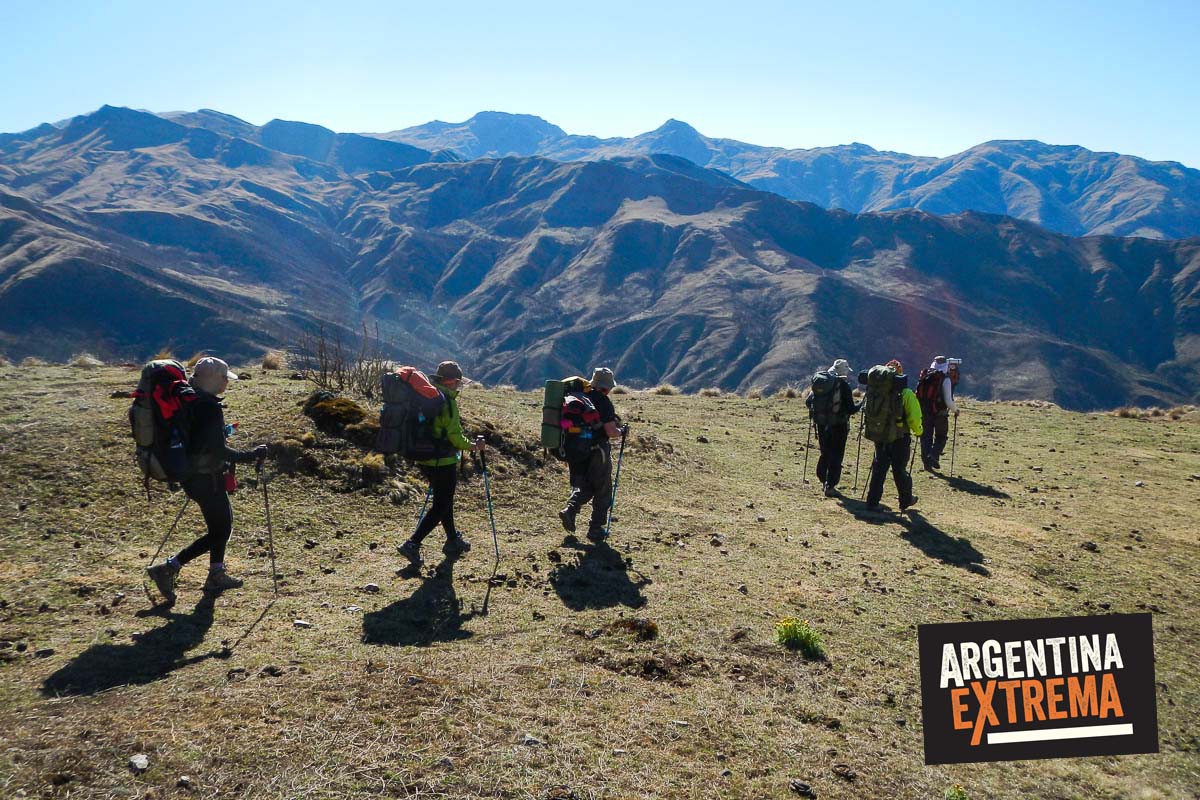
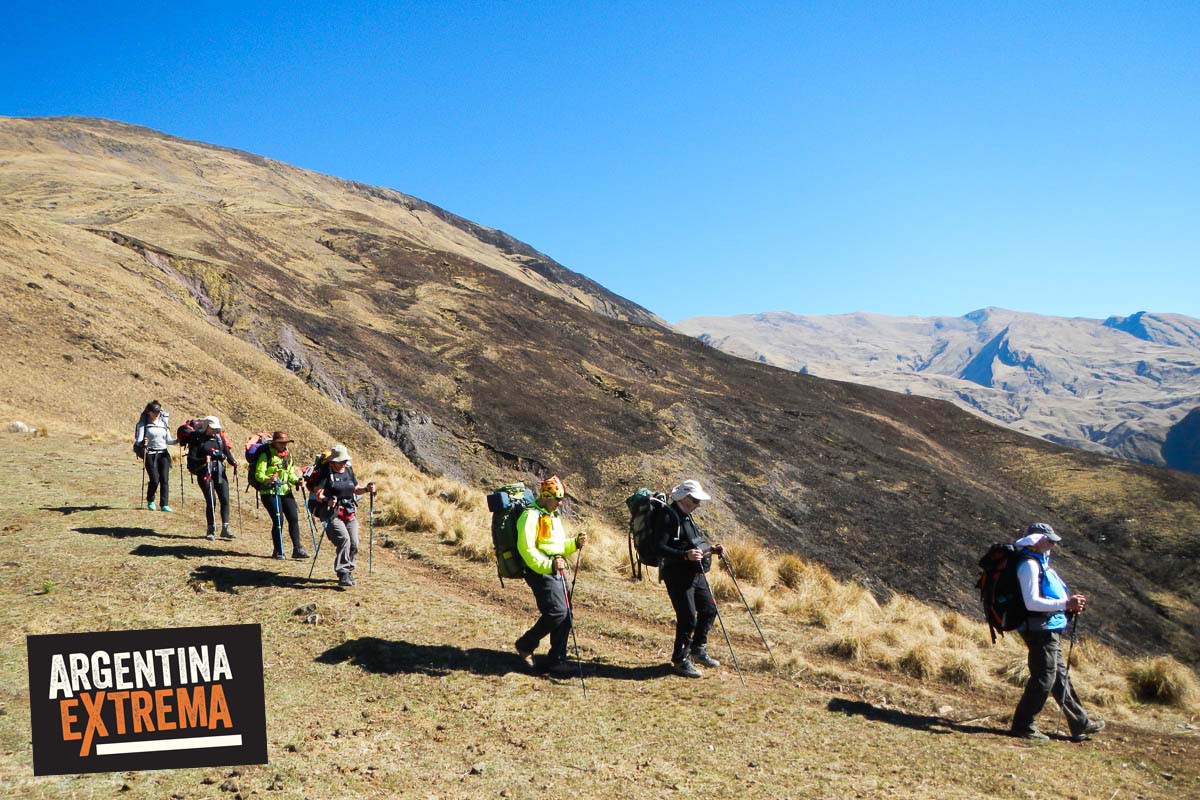
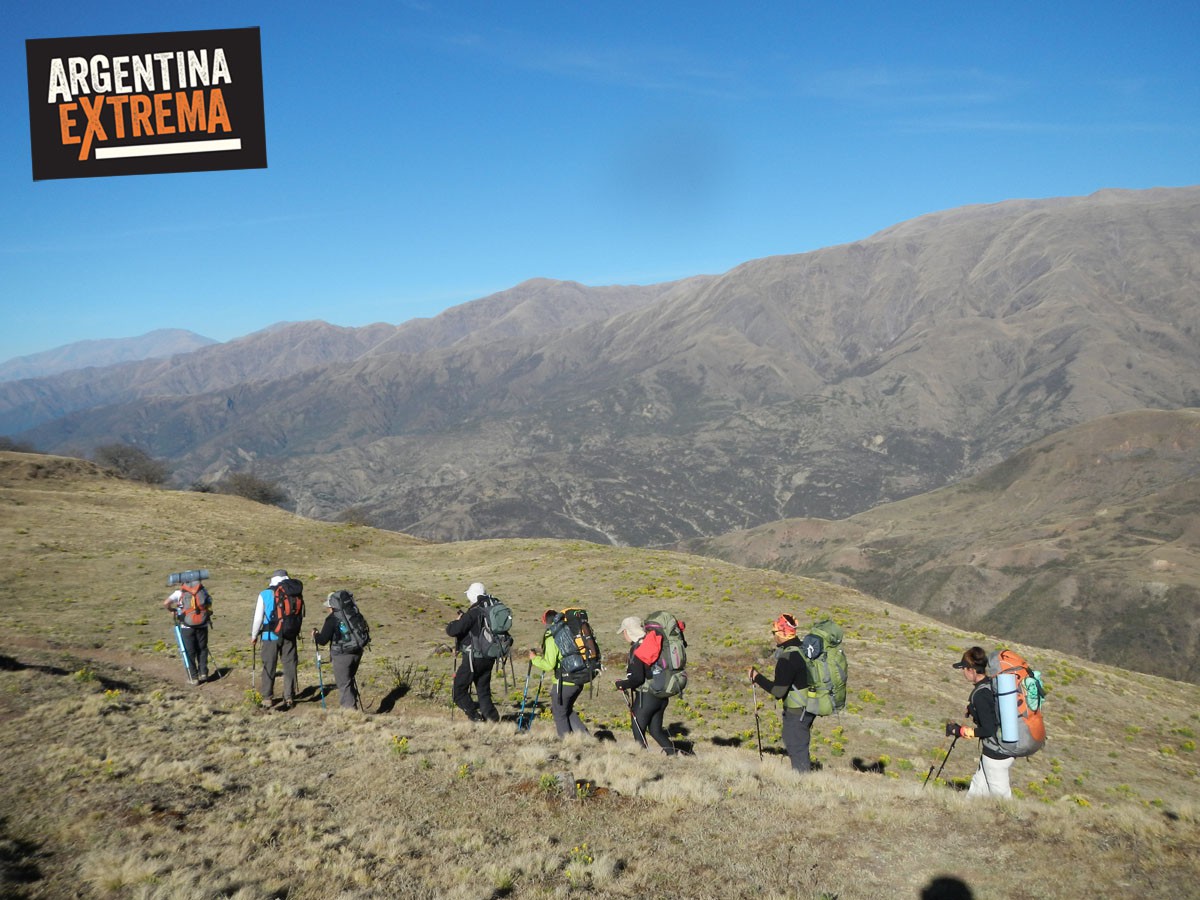
Expedition with a backpack on the shoulder, in the crossing mode (joining two different points of a region). The overnight stays, in wild areas, are in tents (occasionally in schools or churches, depending on the town that is visited). Carrying equipment on horseback and mules.
What we present here is the route planned for the crossing, but the exact route, the duration of each stage of the march and the choice of alternative itineraries are subject to different factors such as weather conditions and group evaluation by the guide.
We recommend sleeping the day before in Salta for preparations, last equipment checks and meeting with the guides. Night not included in accommodation in Salta (recommended hostel).
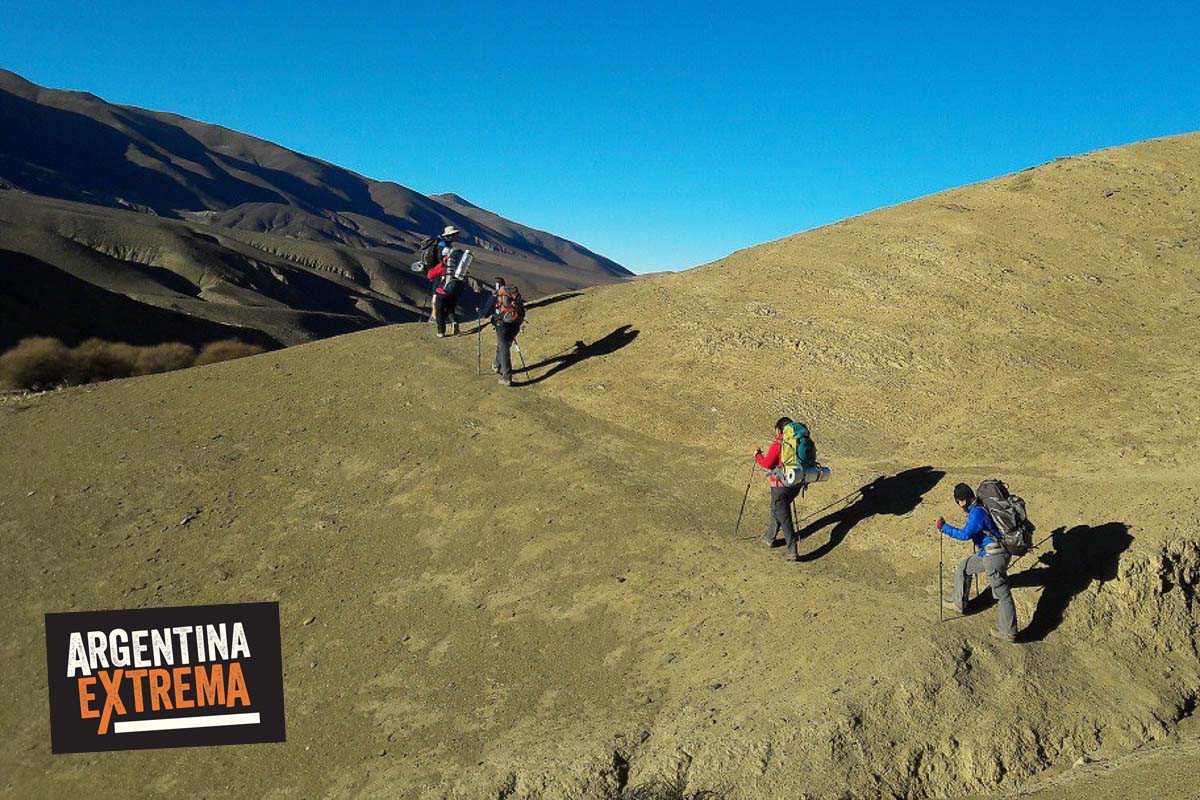
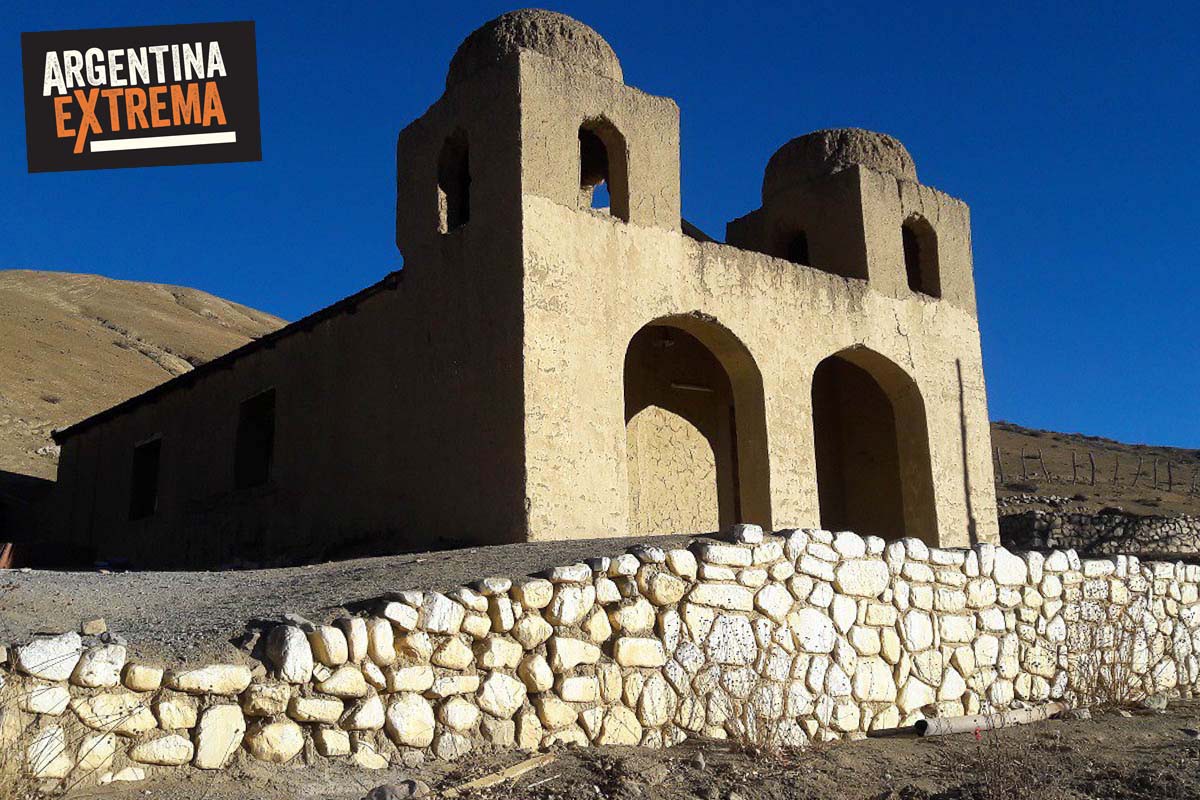
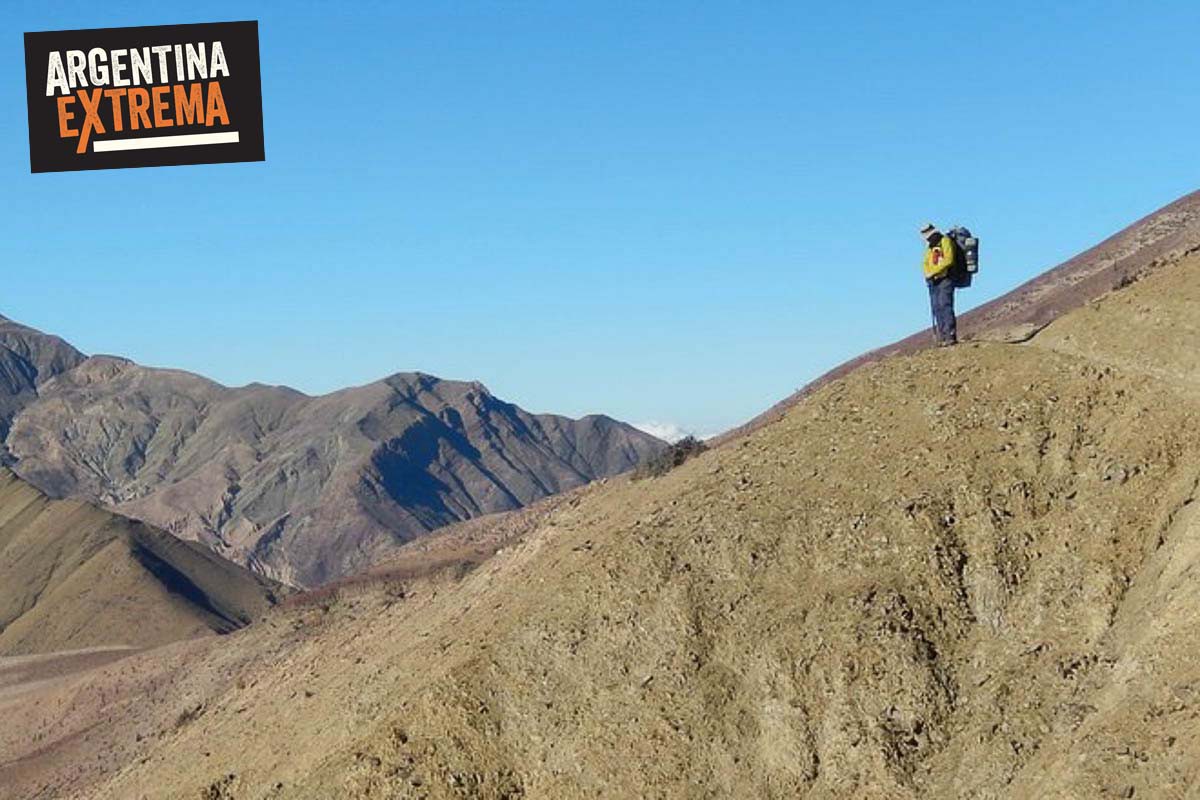
Day 1: Transfer from Salta to Lampasar, Quebrada del Toro. First section of the route ascending the slopes and valleys to the north. We'll cross high passes at more than 3,500 masl to finally reach the small town of Pascha with its little school and church. Rest and overnight.
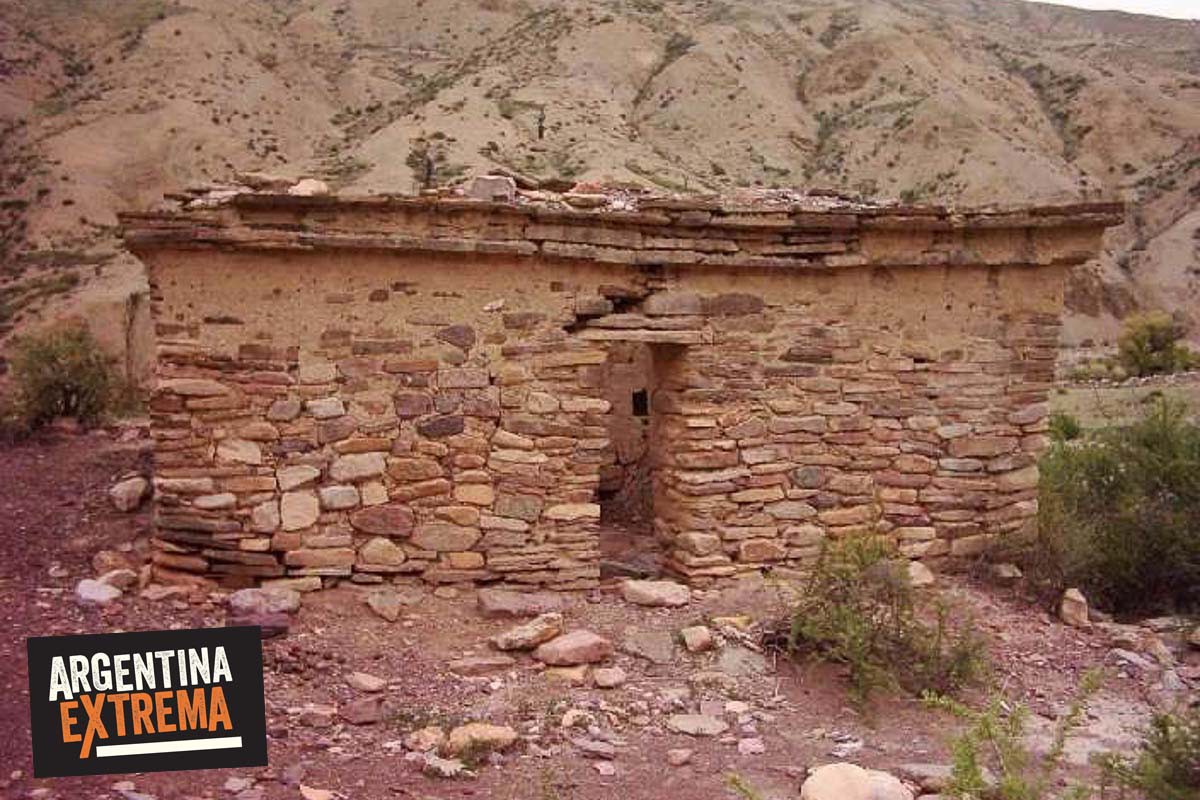
Day 2: We enjoy the morning touring Pascha and its beautiful views. Then we'll have a 3-hour stretch to the ruins of the Sillón del Inca, an archaeological site that was once part of the Inca empire, all in descent. Final trek to Berta's Post. Overnight.
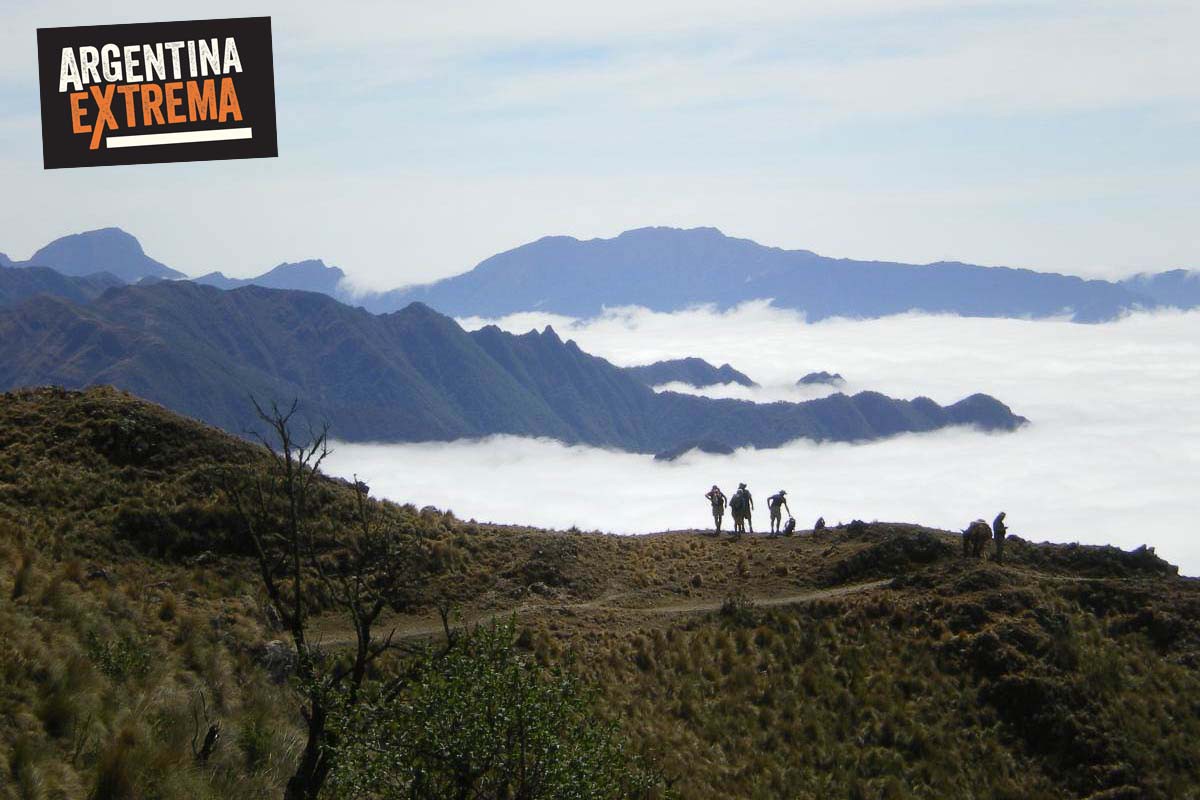
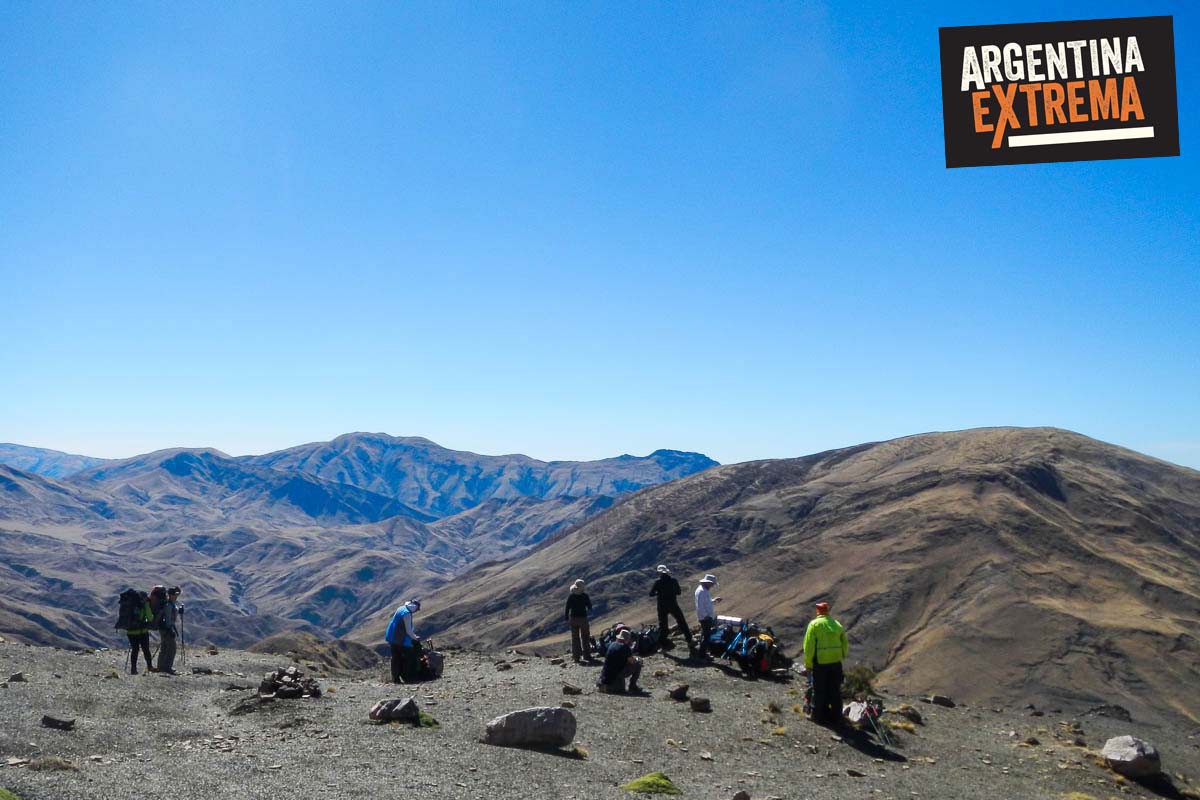
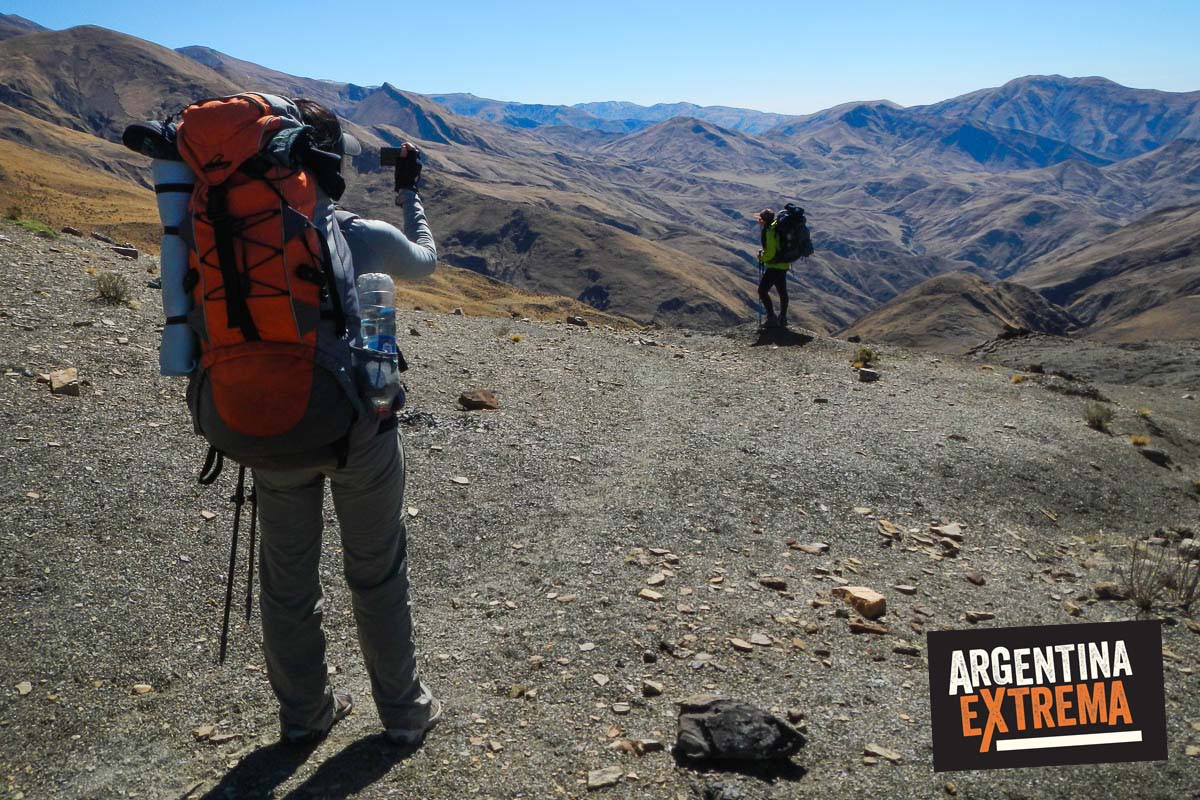
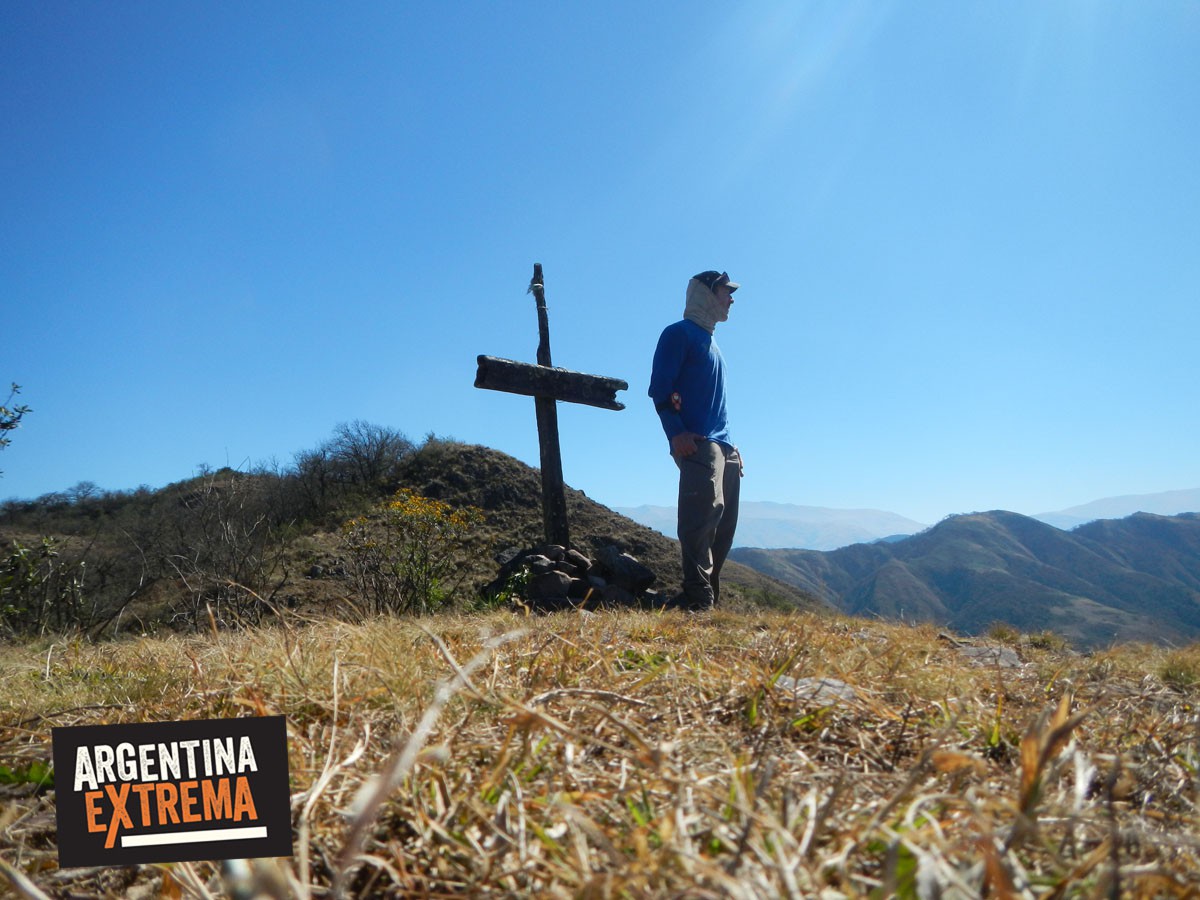
Day 3: On this day, the path will take us above 3,000 meters. At 3,410 meters in the Abra de la Cruz, here one of the most spectacular views of the trip will be revealed. From this point, well above the clouds, you can see the entire Lerma Valley and Salta city. Then the trail descends to the place of our second camp. It takes place in the company of local people who have their agricultural production post. Here we can share experiences and learn about the lifestyle of the current inhabitants of the area. Overnight.
Day 4: Now the trail takes us closer and closer to the typical humid zone of the Yunga forest. We leave our camp and began to descend. The views here are completely different from what we were used to from the previous two days. The trail continues in slight descent until it reaches the point where two mountain rivers converge (Confluencia). We continue upriver and then we enter the Yunga. Here we have a slight ascent first and something more intense towards the end of the hike. Camp.
Day 5: We begin the last day of our tour, already immersed in the Yunga of Salta. The path will take us along charming landscapes, towards Salta. Walking on the edge of the mountain, we'll enjoy the flora and fauna typical of the region, in contact every few kilometers with current inhabitants who work their livestock in these inhospitable places. The last part of the tour will take us to the foot of the city of Salta, in Quebrada de San Lorenzo. We'll share some drinks when we arrive at the Quebrada, to finish the trip, returning in our transfer to the accommodation in Salta. End of the program.
Backbone of the political and economic power of the Tawantisuyo -the Inca empire- the road network of the Tahuantinsuyo, or the Qhapaq Ñan (in Quechua = path of the King or of the powerful) was a network of roads of more than 30,000 kilometers long that connected production, administrative and ceremonial centers. Recently declared a World Heritage Site by UNESCO, the Qhapaq Ñan (in Quechua, “main road”) today crosses six Andean countries. Starting from Peru to the south, it covers part of the territories of Bolivia, Argentina and Chile and to the north, those of Ecuador and Colombia. These roads allow us to trace the footprint left behind by the Andean peoples, their armies and priests, their merchants and caravans of llamas that transported merchandise. In the north of Argentina, one of the sections of the Qhpaq Ñan is the one we make on this journey, in the Quebrada del Toro area, Salta.
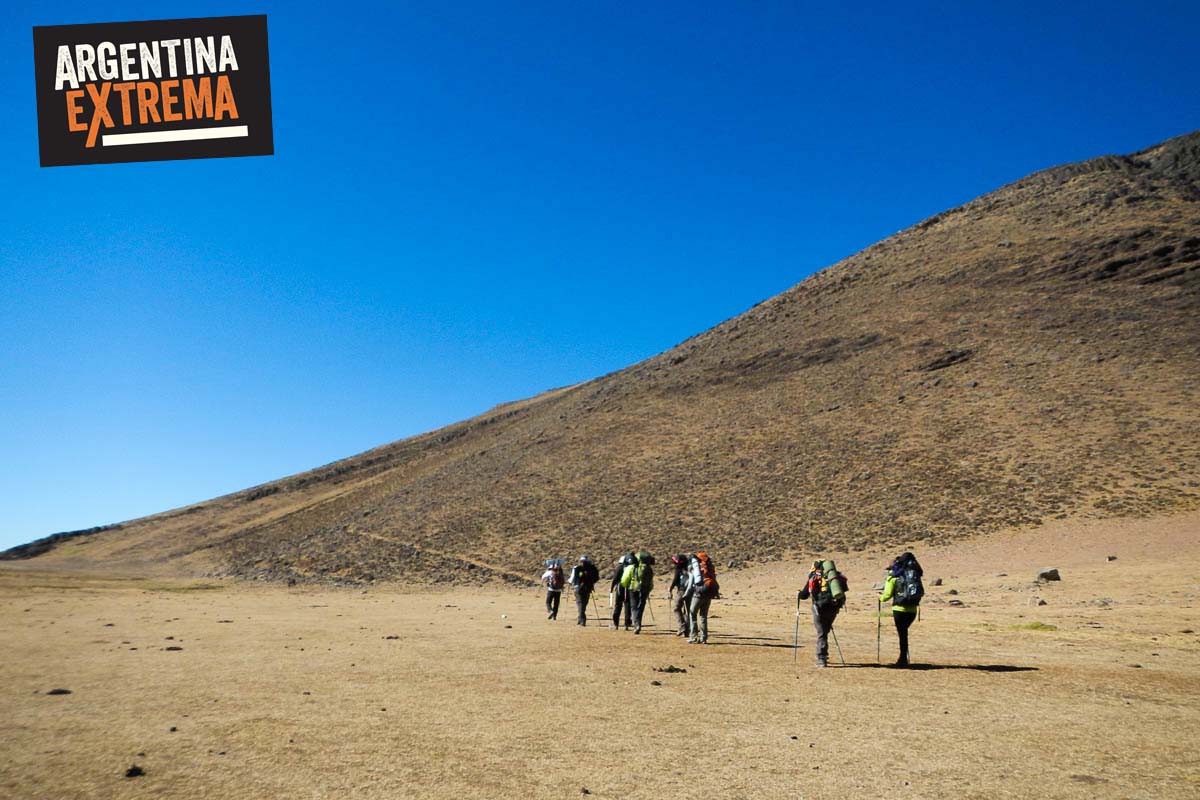
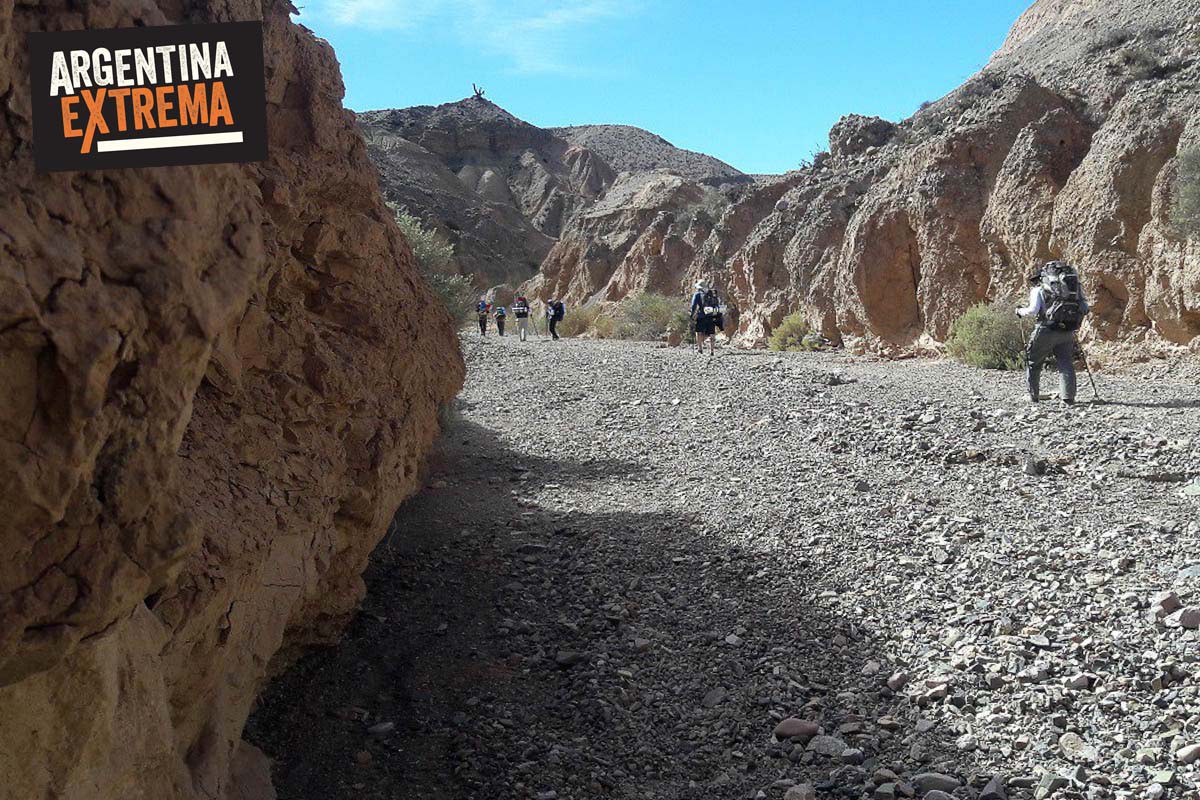
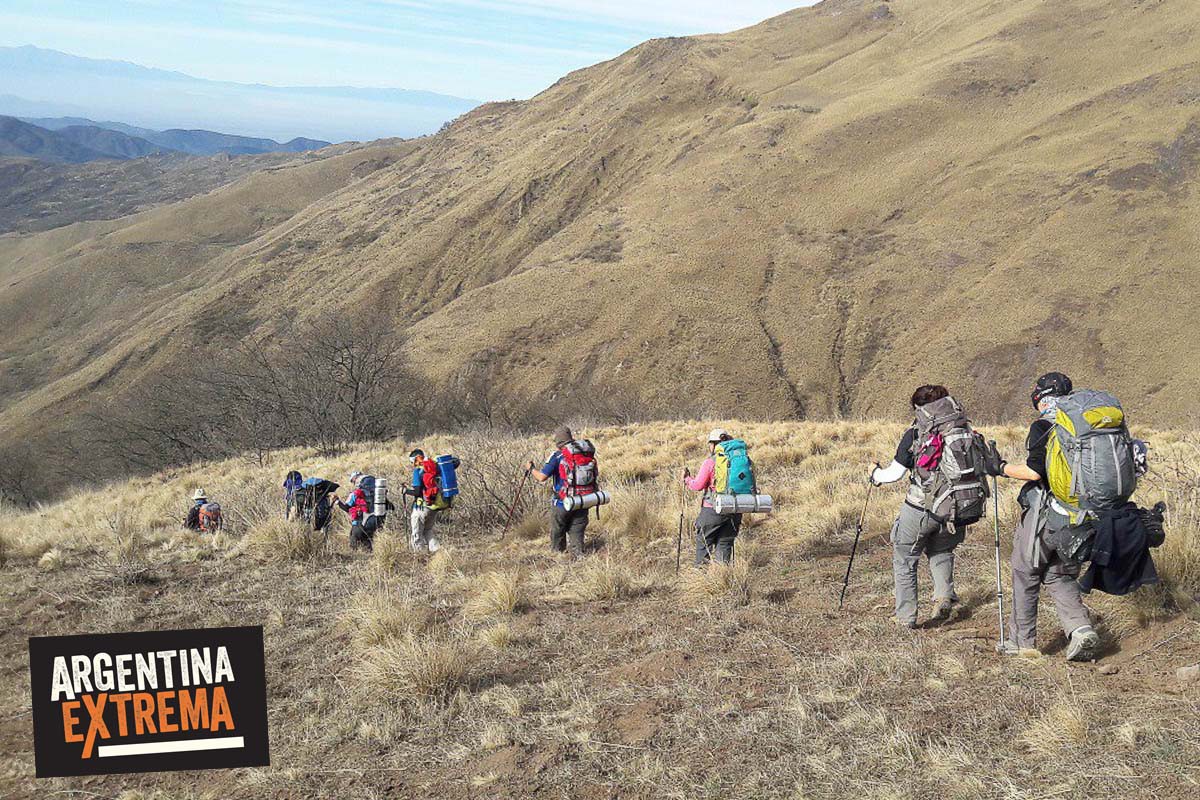
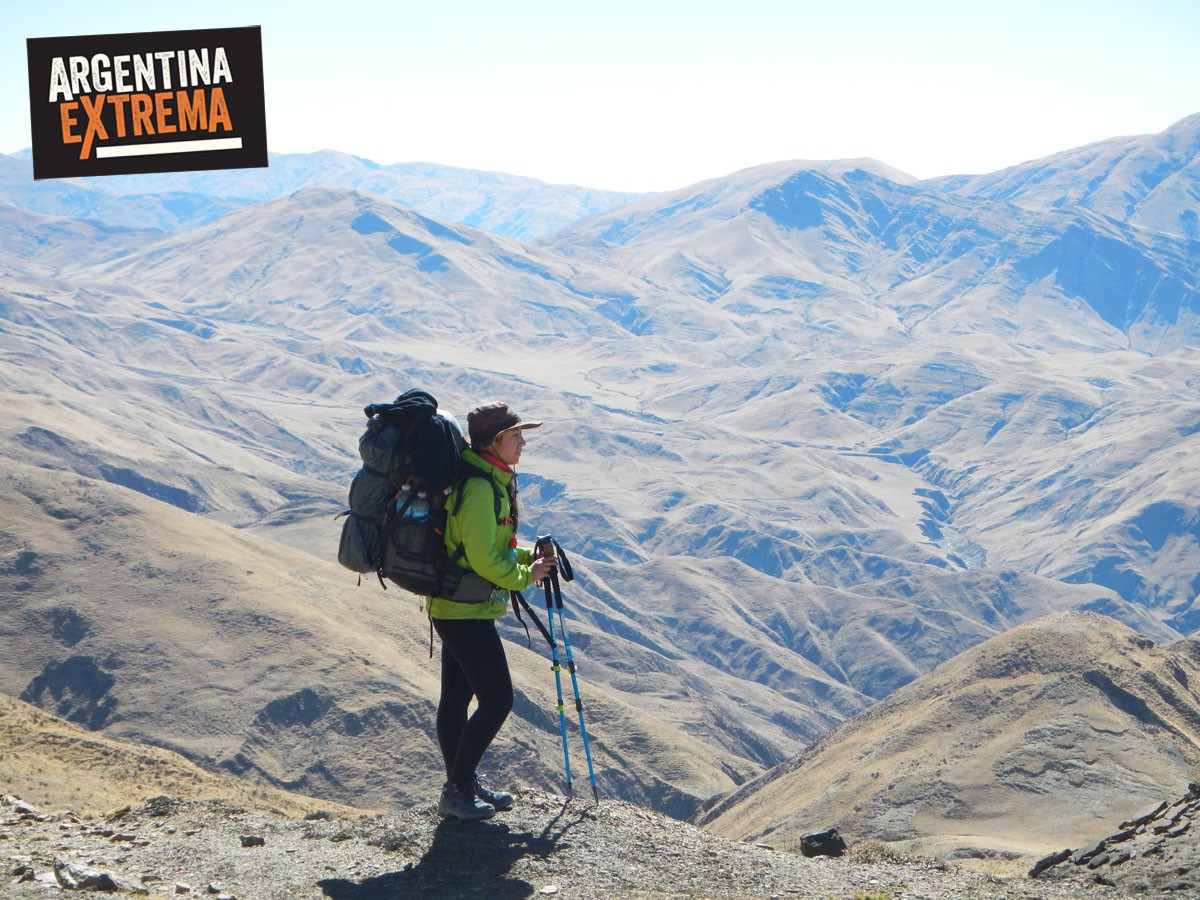
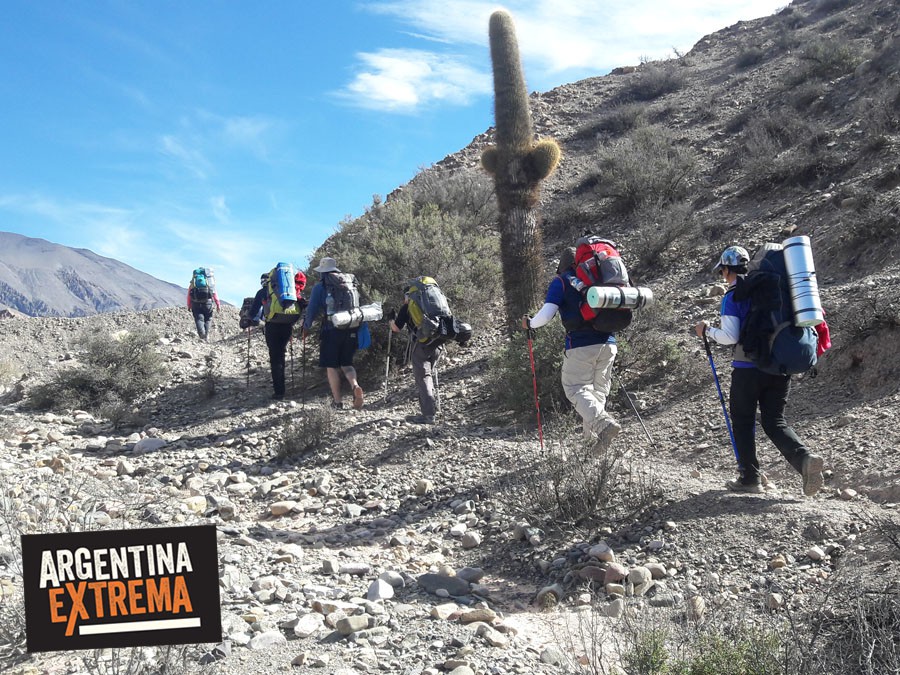
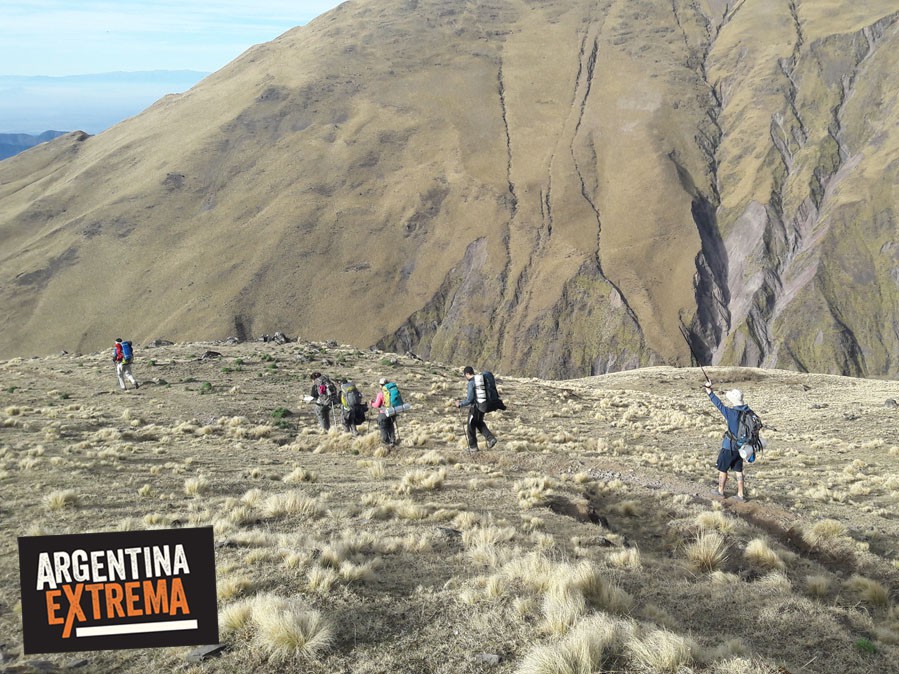
It is a journey on foot, backpack on the shoulder, through ancestral trails, slopes covered with cardones, communities nestled in the mountains, terraced crops and deep valleys. The Pascha community lives in these places, the simplicity of its people and the imposing landscapes make this experience unforgettable. The circuit begins in the puna, on the way to San Antonio de los Cobres, where the horizon becomes infinite. Our adventure ends in the alder forests of the greenest part of Salta, after having crossed mountain ranges of 4000 meters. with valleys, streams, communities, hamlets and old-fashioned posts that transport us back in time.
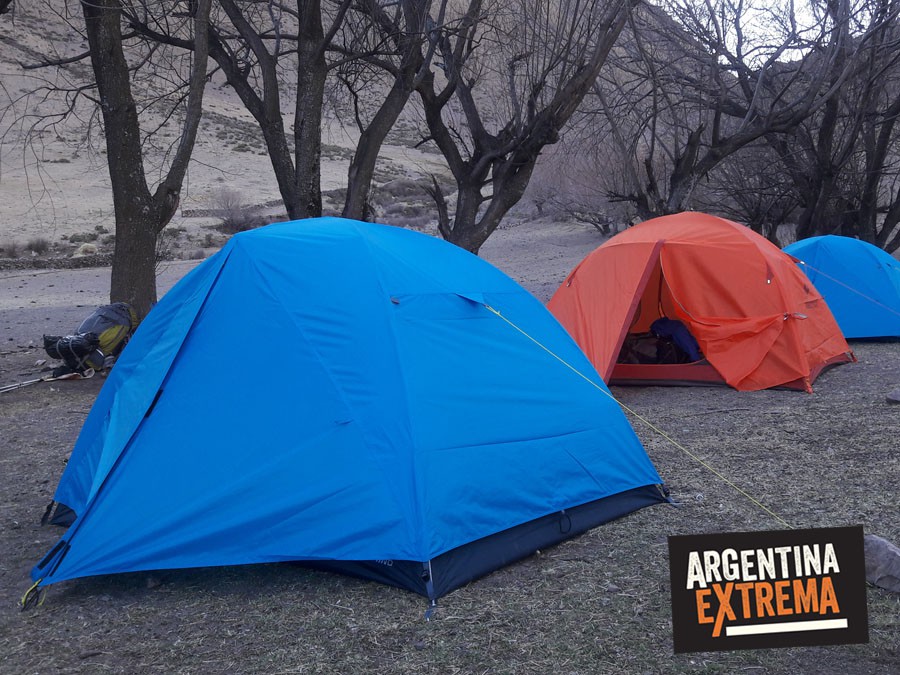
in igloo tents, in wild camps, next to local stalls, in the mountains.
 |
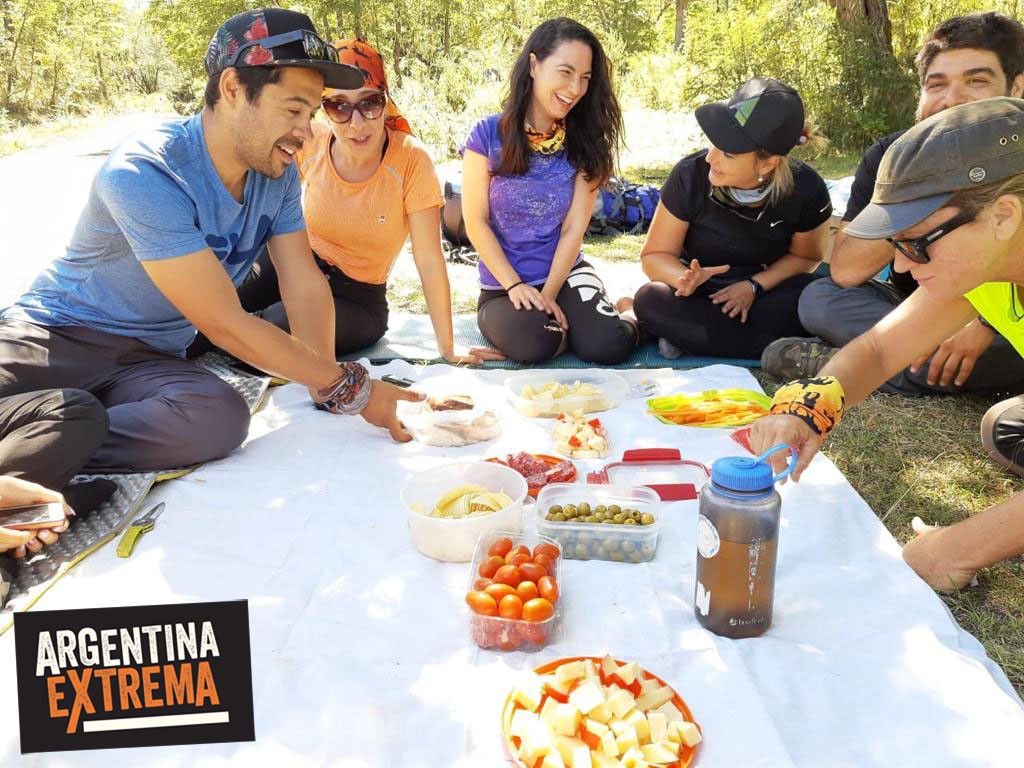
In all our expeditions we offer the service of meals IN FULL BOARD PLAN.
It is necessary to complete the personal / medical file to know if someone does not eat any type of food.
 |
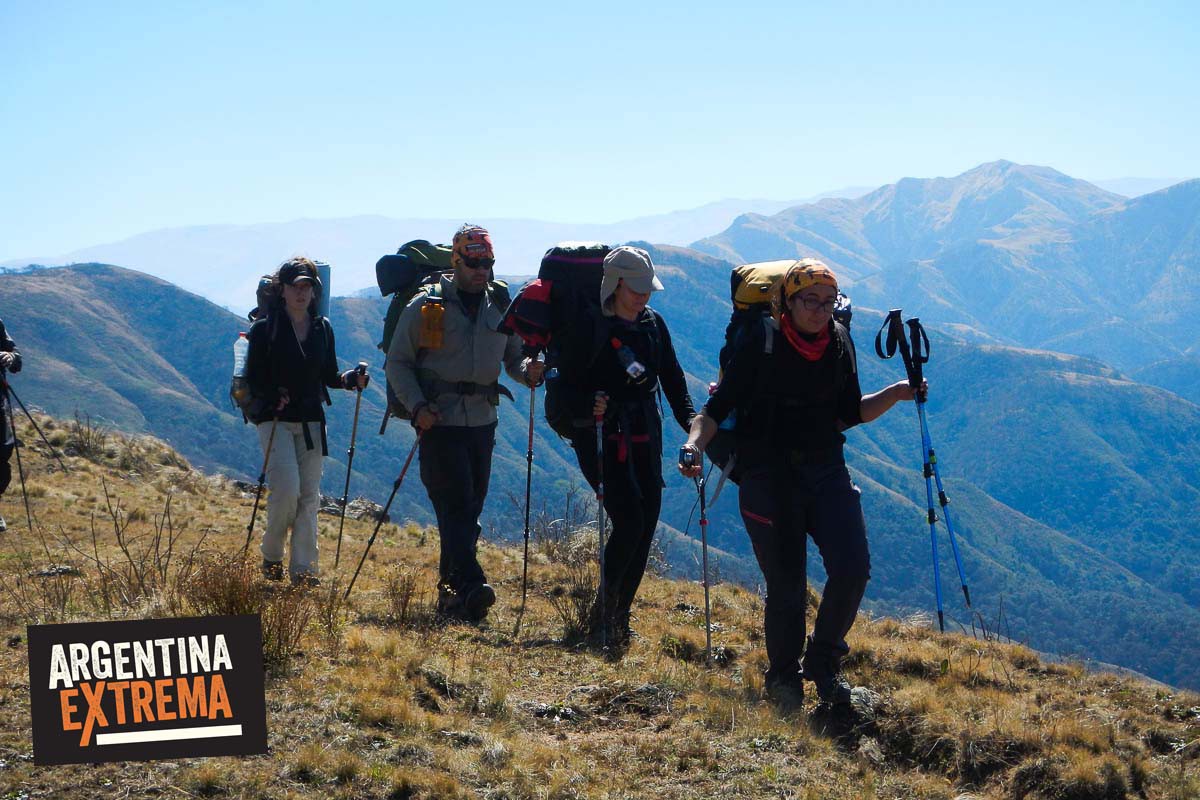
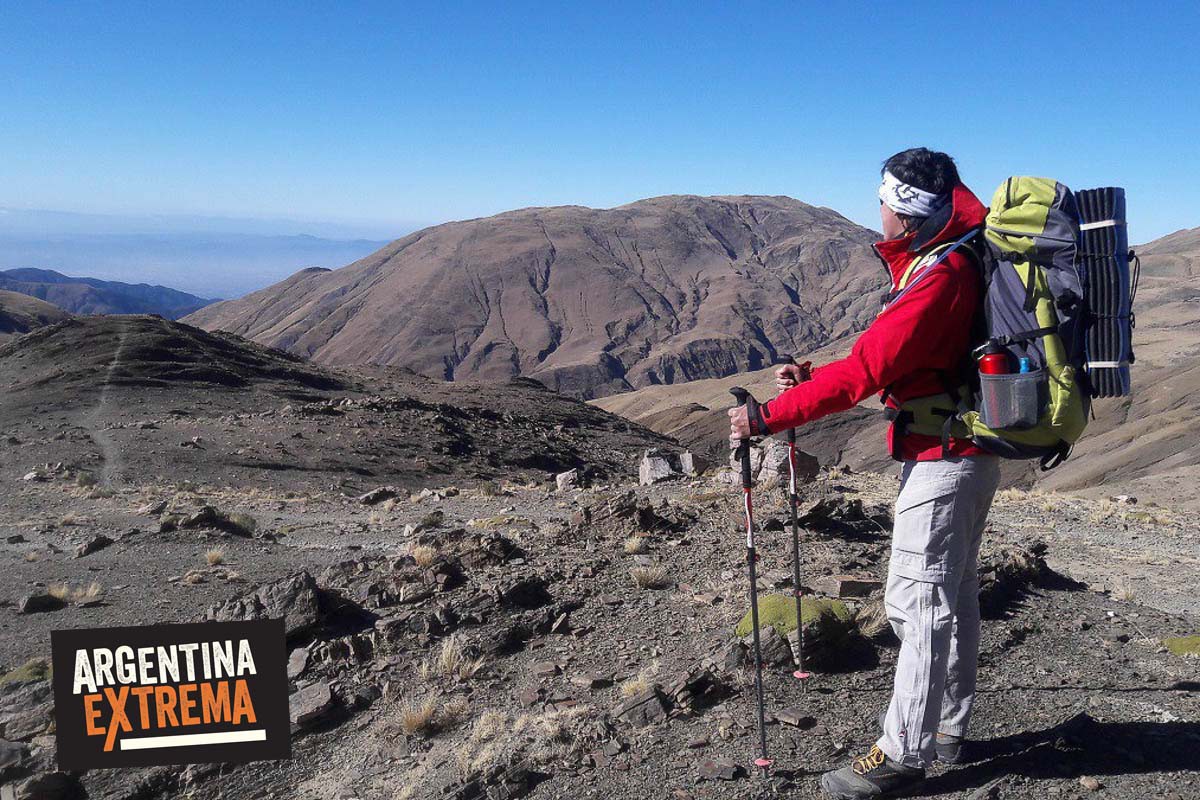
Special backpack for trekking (65 to 85 liters)
Warm sleeping bag (minimum –10 degrees of comfort) (eg 700gms or 1 Kg of feather or good synthetic).
Insulating mat (10 to 15mm).
Trekking poles
1 Trekking boots
1 second lightweight trekking shoe
A couple of changes of underwear
Several pairs of trekking socks (some may be first-skin-inner-fine)
1 pair of wool socks (for sleeping)
2 Polypropylene T-shirts (dry fit type) or similar (not cotton) for walking
1 thermal type long sleeve t-shirt
warm under trousers (type leggings or long johns)
Trekking pants. Lightweight-fast drying
2 intermediate outerwear (long-sleeved polars)
Warm hat (polar or synthetic wool)
Sun hat (with flaps)
Neckerchief
Warm gloves
Waterproof-windproof jacket (ultrex or gore tex or similar)
Passport, ID, DNI.
Medical insurance, social work.
Complete medical and personal file
FRONT flashlight with batteries (spare batteries).
Sturdy plastic bags for storing clothes.
Personal dishes (plate, jug and cutlery).
Sunglasses with category 4 uv protection. (IMPORTANT)
Personal first-aid kit (medication with the pertinent prescription).
Sunscreen, Lip balm
Soap, shampoo (small to share) and small towel.
Others
Toilet paper. Handkerchiefs Baby wipes.
Water containers for at least 2 liters (can be plastic bottle), Camelback, Nalgene or similar
SILVER TAPE tape, for blisters and repairs.
Mate, bombilla and yerba.
Steel thermos.
Water purification tablets.
Mini - sewing box.
Largavista, monocle. Photographic or video equipment.
Book, notebook, travel diary, pencil, pen.
Games; playing cards, dice, etc
Penknife
Warm jacket
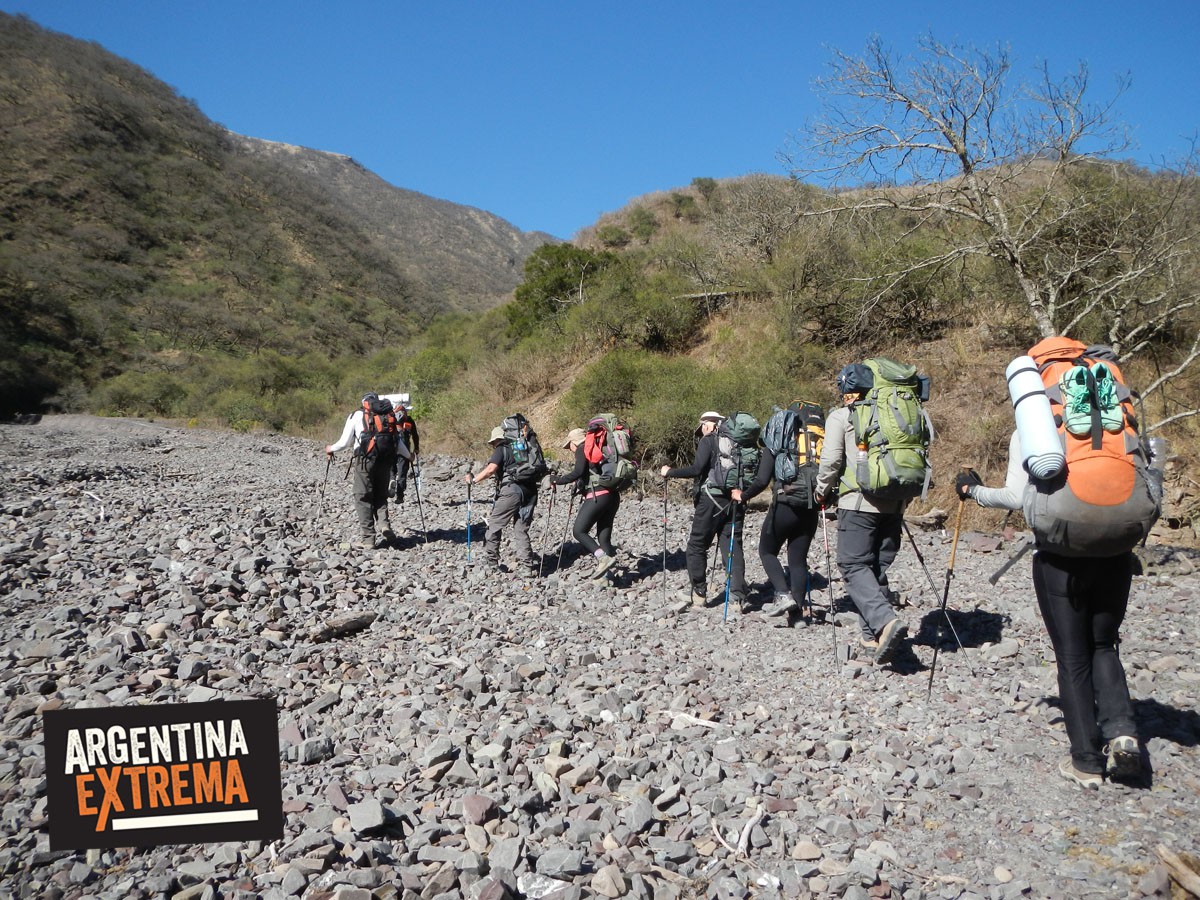
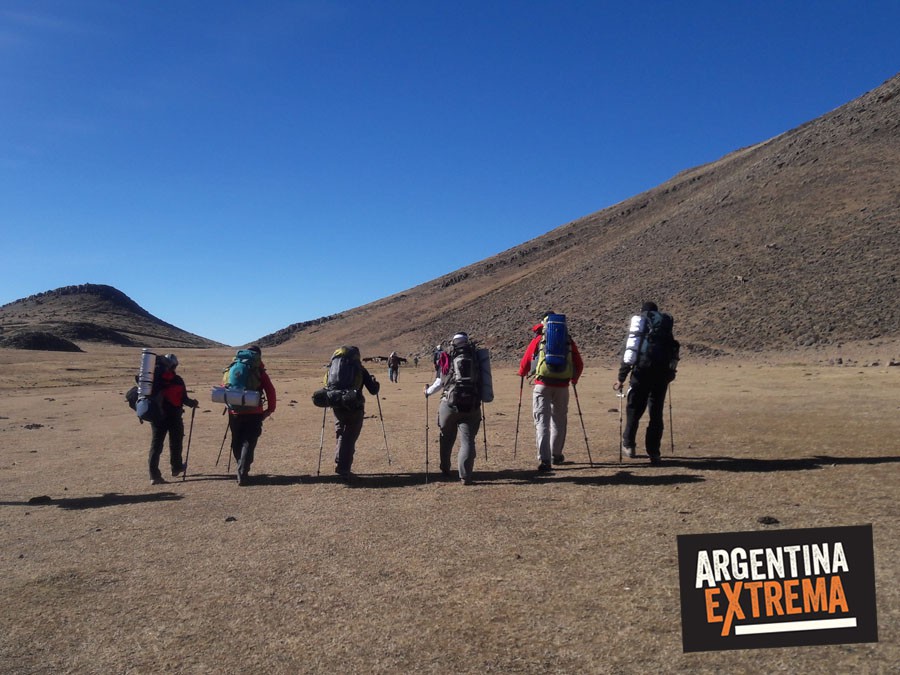
In general we have a system of walking 3 or 4 hours in the morning; We make a great lunch stop and walk the same in the afternoon to the place where we set up camp.
The north of Argentina is characterized by having an important thermal amplitude (heat during the day and cool at night and early morning). There is also the so-called "Bolivian Winter". This means that in our summer (December to March) there is the rainy season. In our winter it does not rain but the thermal amplitude is noticeable a little more and the cold in the nights and early mornings can be felt, especially in the high camps (at more than 2500 meters above sea level) as two of this route.
You have to protect yourself a lot from the sun with a hat-cap, neck scarves, sunscreen and mountain sunglasses. And for the night it is important to have a good sleeping bag and shelter since the temperature can drop to less than 0 ° Celsius (32 fahrenheit).
The sleeping bags or bags must be able to withstand a temperature of 0 °C (32F°) Comfort, so as to be able to have a good rest. The duvet-goose down material is the best, but the synthetics nowadays also have modern and high-performance materials. (Ask us about rental).
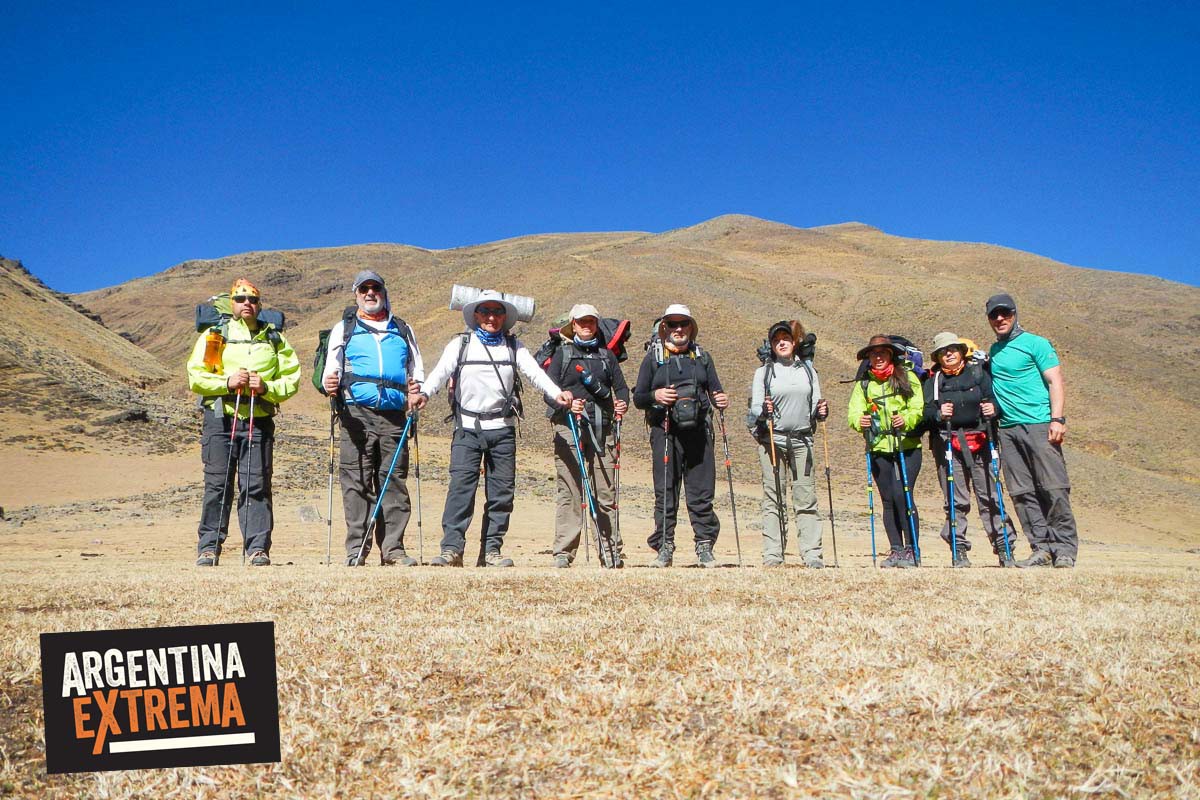
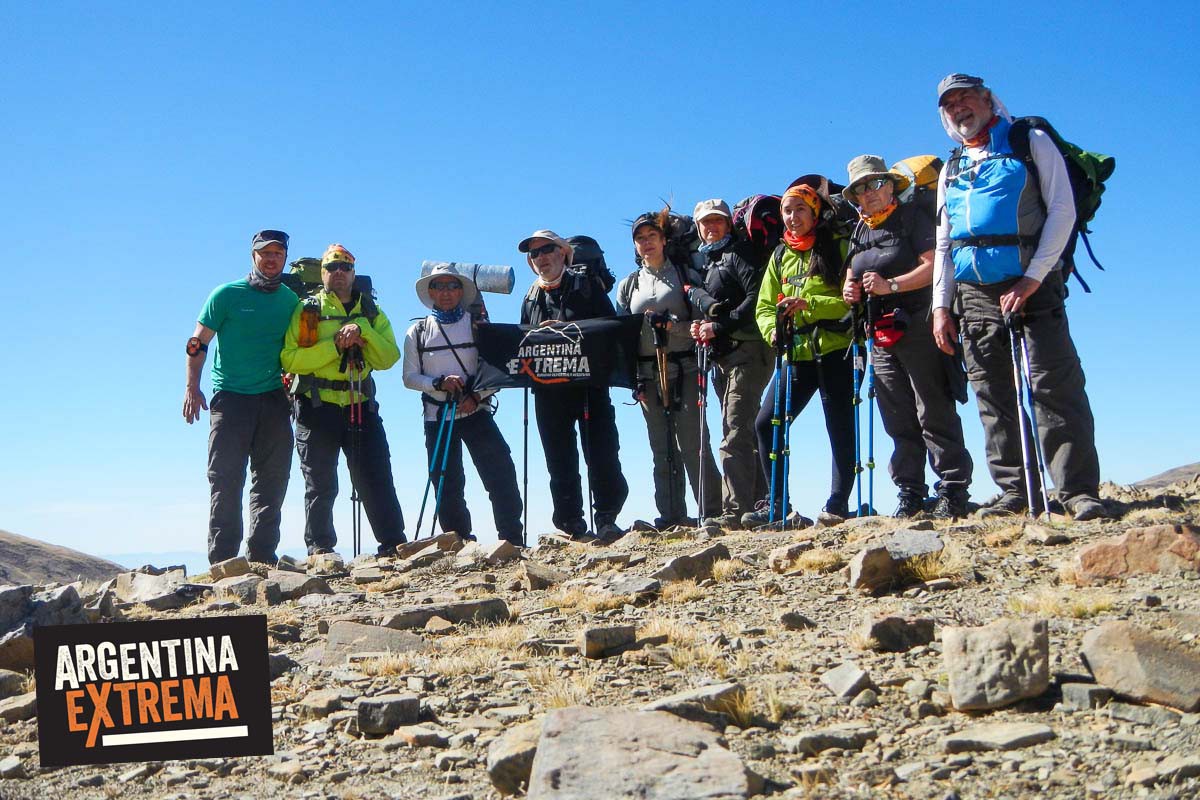
In general these are very heterogeneous groups (all kinds of people). Varied ages and genders, people traveling alone, accompanied by a friend, couples, families, etc.
It is not decisive that you are an updated athlete and that you train 4 times a week. But it is important that you know that the better physically you are, the better it will always be. The idea of ??these adventures is that you can enjoy it and not suffer it. If you do not usually train, go for a run, bike or other aerobic activity, we recommend that you attend some class of our weekly trainings associated with mountain activities. And you start by going for a walk with a backpack loaded of no less than 8 kilograms and do several kilometers per week and also go up and down stairs or slopes in series of 20 uninterrupted minutes. Ask us for a suitable training plan.
The tents are included in the program, by our company. But if you want to bring one, you can do it. Just ask us.
In all our expeditions we offer the service of meals IN FULL BOARD PLAN.
Scale 0–100%. Argentina Extrema graded difficulty system. How it is measured
We will reply by email or WhatsApp with full details, payment options and how to confirm.
Trekking
from US$ 272
Trekking · North
from US$ 1.500
Trekking · North
from US$ 937

