Trekking & mountaineering
10 Important Factors for Heading Out to the Mountains
Techniques for getting the most out of outdoor activities
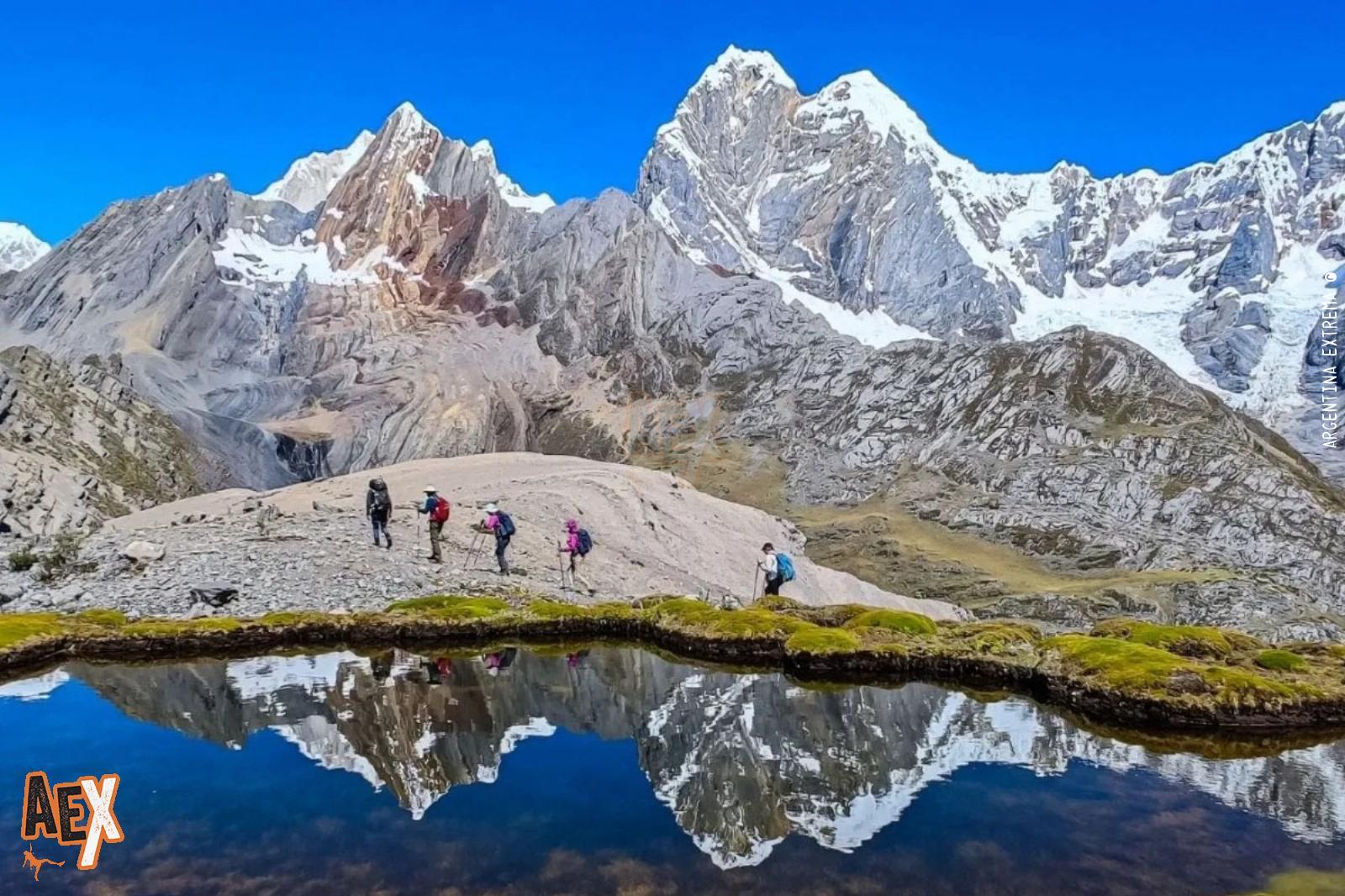
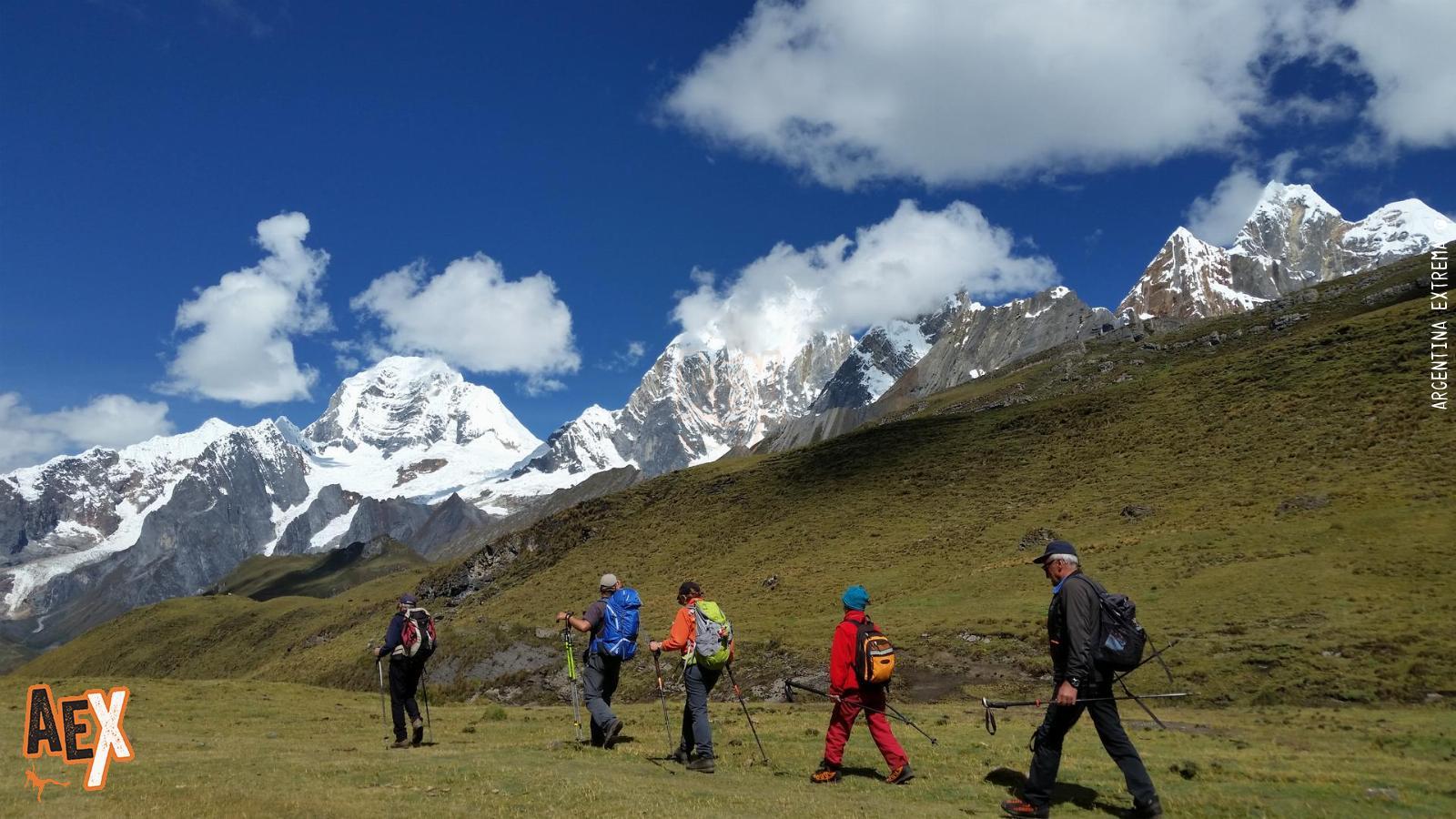
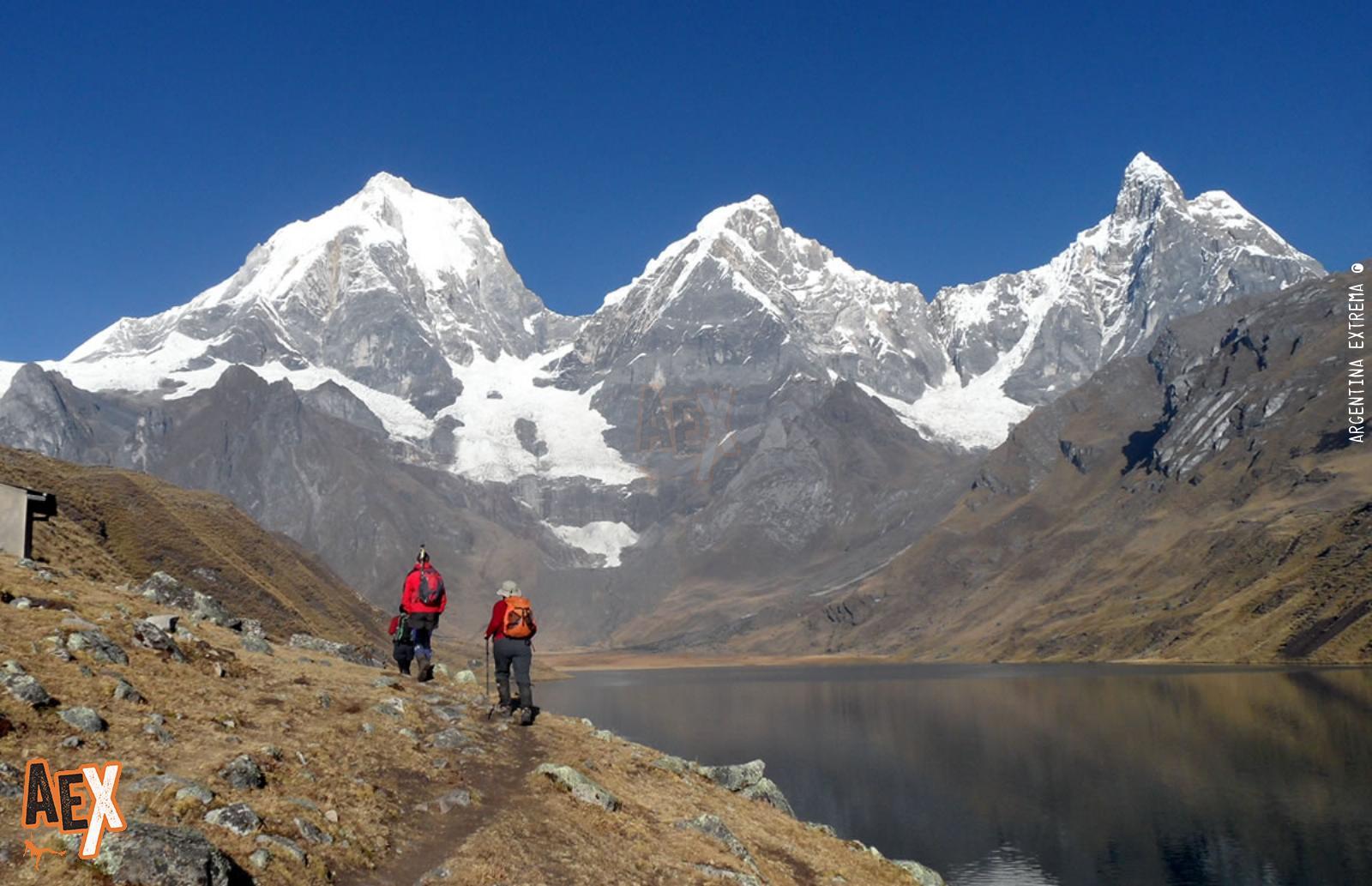
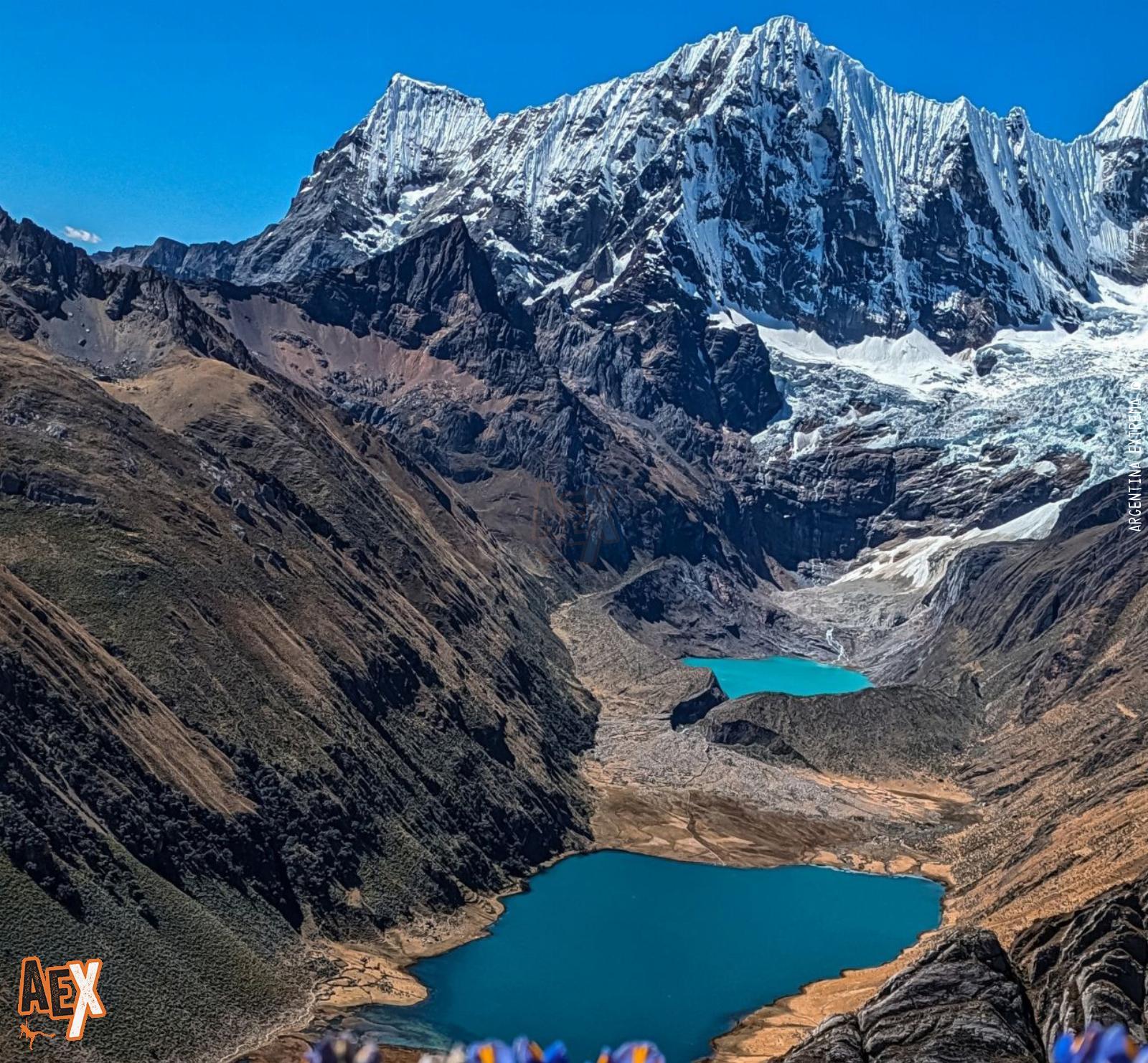
One of the Most Spectacular Hiking Routes in the World
Day 1: Huaraz (3,100 m ): Meet in the city of Huaraz after traveling from Lima (by bus or domestic flight; please inquire for options). Overnight at a hostel.
Day 2: Huaraz: Rest day in Huaraz for hydration and acclimatization. Optional hikes and excursions at altitude, including Wilcacocha Lake, Churup Lake, Lake 69, and others. Overnight at a hostel.
Day 3: Free day to rest in Huaraz. Overnight at a hostel.
Day 4: Huaraz – Transfer to Llámac, then to Cuartelwain (4,170 m ). Start of the trek via Qaqanan Pass (4,750 m). Camp at Janka (4,235 m).
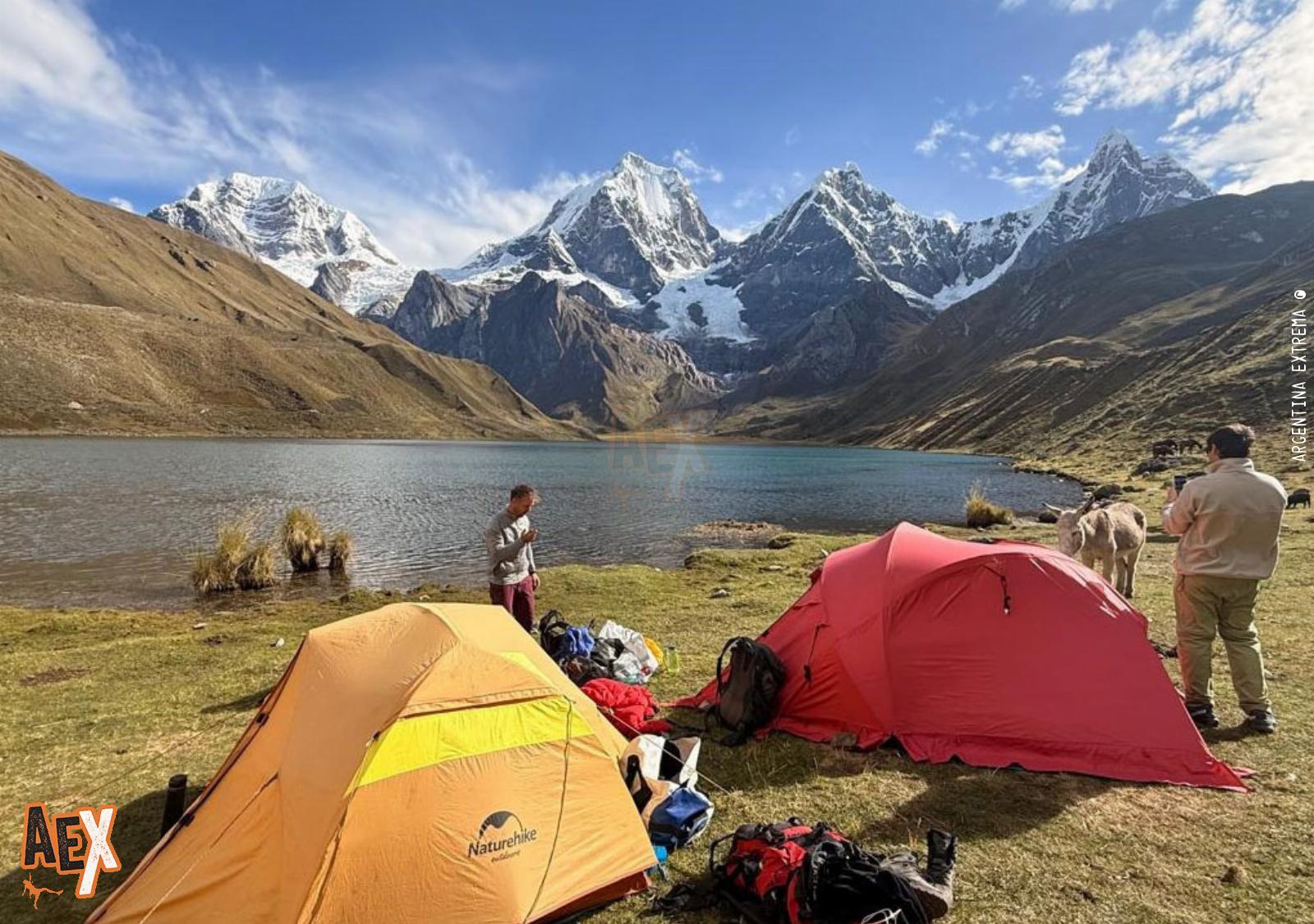
Day 5: Janka – Carhuac Pass (4,600 m ) – Carhuacocha (4,138 m).
Day 6: Carhuacocha – Siulá Pass (4,800 m) – Huayhuash (4,330 m ).
Day 7: Huayhuash – Trapecio Pass (5,020 m) – Elefantepampa (4,500 m).
Day 8: Elefantepampa – San Antonio Viewpoint (5,040 m ) – Huayllapa Village (3,500 m ).
Day 9: Return to Huaraz. Final overnight at a hostel. End of the program.
Day 10: Free day. Departure.
Trip coordinator and mountain guide accompanying the group from Argentina.
Group organized and departing from Argentina.
4 nights of hostel accommodation in Huaraz (including 3 nights for acclimatization before the trek).
Professional local trekking guide from Peru.
Comprehensive first aid kit.
Camping equipment, including 2–3 person tents.
Sleeping bag and sleeping pad.
Fully equipped camp kitchen, including dining tent, tables, chairs, and cooking equipment.
All meals during the trek (breakfast, lunch, afternoon snack, and dinner).
Dining equipment (plate, mug, and cutlery).
Donkeys and muleteer to transport camping equipment between camps.
Support horse available in case a participant needs assistance.
Private transportation: Huaraz – trek starting point – trek ending point – Huaraz.
Transportation to and from Huaraz.
Meals while staying in Huaraz.
Personal trekking equipment.
Entrance fees to the Huayhuash Mountain Range (paid directly to the local communities; approximately 300 PEN per person / USD 90, subject to change).
Tips for local guides, assistants, cooks, muleteers, and support staff (recommended: approximately 300 PEN per person / USD 90).
Any items or services not specifically listed under What's Included.
Expenses resulting from leaving the expedition early or withdrawing from the program.
Trekking backpack (35–75 liters). Capacity is less important than choosing a comfortable, high-quality backpack.
Warm sleeping bag (comfort rating -5°C to -10°C / 23°F to 14°F) (e.g. 700 g down fill or a high-quality synthetic bag). Included ☑️
Sleeping pad (10–15 mm). Included ☑️
One pair of trekking poles.
Waterproof dry bags or sturdy plastic bags to keep all clothing dry inside your backpack.
5–6 pairs of trekking socks (recommended).
Underwear.
One pair of warm, well-broken-in trekking boots.
One lightweight pair of shoes or sandals for camp.
2 pairs of long trekking pants (preferably waterproof).
1 pair of thermal leggings or long underwear (optional).
2–3 short-sleeve synthetic moisture-wicking (dry-fit) shirts, plus a few cotton T-shirts.
1–2 long-sleeve shirts.
2 warm fleece jackets or pullovers.
Waterproof jacket (ideally breathable and windproof, with Gore-Tex or similar membrane).
Down jacket (one heavy or two lighter layers are recommended).
Sun hat with a wide brim or neck protection.
Neck gaiter or multifunctional Buff.
Warm gloves.
Waterproof gloves (ski-style or equivalent).
Warm beanie.
Passport or national ID.
Health insurance.
Travel insurance (mandatory).
Headlamp with spare batteries.
Category 4 mountain sunglasses.
Sunscreen (SPF 50 or higher) and lip balm with UV protection.
Toilet paper.
Facial tissues.
Baby wipes.
Water containers with a minimum total capacity of 3 liters, such as:
Wide-mouth water bottle
Hydration bladder
Thermos (optional)
Silver tape (for blister prevention and gear repairs).
Mate set (mate cup, bombilla, and yerba).
Stainless steel thermos.
Binoculars or monocular.
Camera or video equipment.
Book, notebook or travel journal, pen or pencil.
Playing cards, dice, or other small games.
Pocket knife.
Whistle and lighter.
A good level of physical fitness is recommended for any mountain activity. Participants should have some prior physical preparation or maintain an active lifestyle.
No previous trekking experience is required. However, we do recommend being in good physical condition and understanding that this is a multi-day trekking expedition, where you hike during the day carrying a backpack and spend the nights camping.
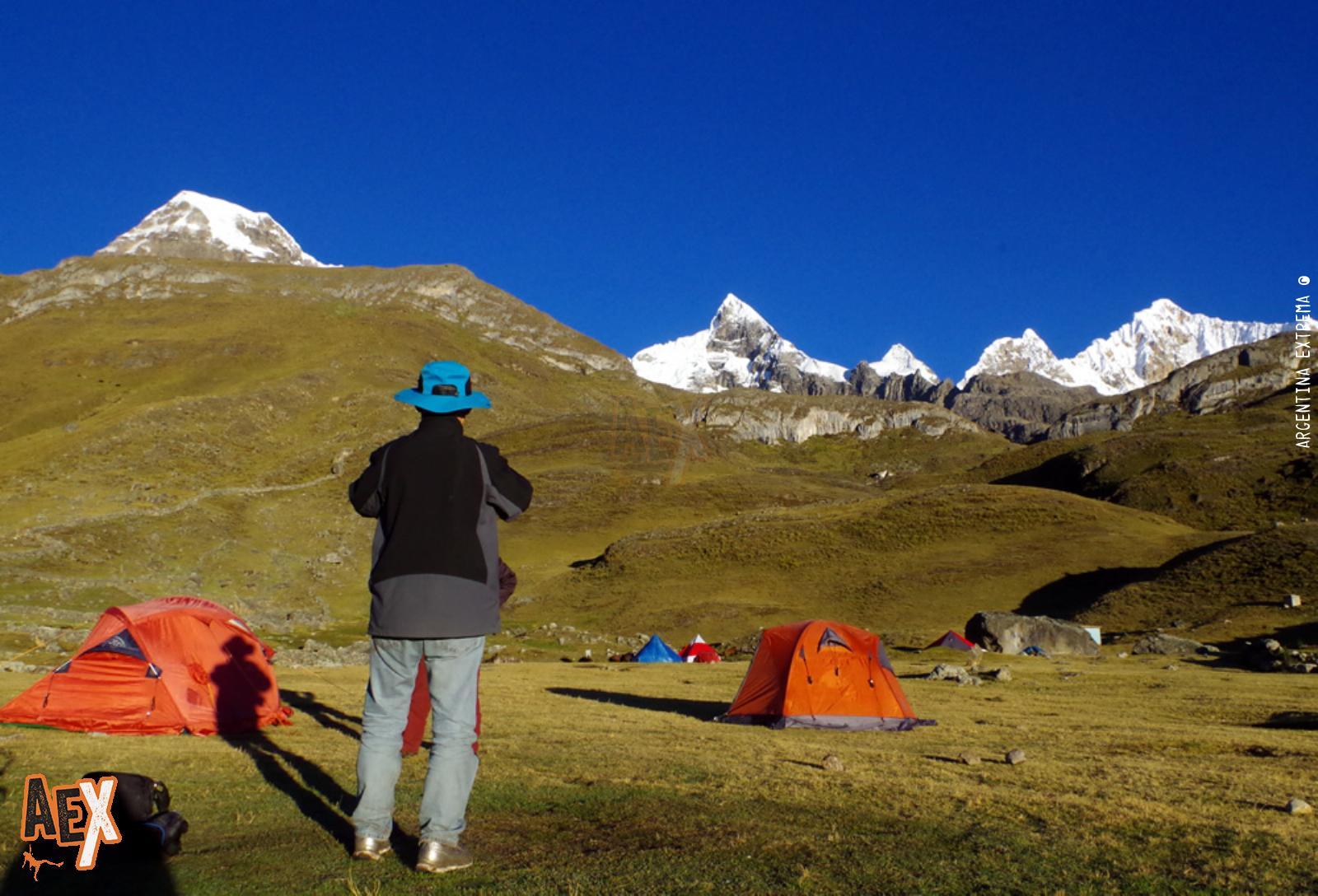
Accommodation is in mountain campsites using comfortable igloo-style tents shared by 2, 3, or 4 people.
No. Tents are included in the expedition.
Temperatures are generally warm during the day and cool in the early morning, evening, and at night.
Your backpack will typically weigh between 8 and 10 kg (18–22 lbs).
Yes. Pack animals (donkeys) transport the group's shared equipment between camps, including kitchen gear, food, tents, and safety equipment.
As of 2025, the entrance fee to the Huayhuash Mountain Range is approximately 300 Peruvian soles (PEN) per person. Each local community charges an entrance fee for the section of the route under its administration.
Current entrance fees:
Llámac: Cuartelwain Camp and part of Jahuacocha – S/ 50
Pocpa: S/ 20
Queropalca: Mitucocha and part of Carhuacocha Camp – S/ 40
Quisuarcancha: Part of Carhuacocha Camp – S/ 30
Túpac Amaru: Huayhuash Camp – S/ 30
Uramaza: Viconga Lake and hot springs – S/ 30
Huayllapa: Cuyoc, Cutatambo, Guanacpatay, and Huatiaq camps – S/ 50
Meals are prepared by local service providers, featuring regional Peruvian cuisine. The menu is varied, hearty, and flavorful.
Before the expedition, you'll be asked to complete a participant information form so we can accommodate any dietary restrictions or food preferences.
Scale 0–100%. Argentina Extrema graded difficulty system. How it is measured



We will reply by email or WhatsApp with full details, payment options and how to confirm.
Trekking & mountaineering
Techniques for getting the most out of outdoor activities
Trekking & mountaineering
Why are mountain sunglasses classified into categories, and why does this matter for your safety?
Trekking & mountaineering
Details of Argentinas most outstanding ascents on low to mid-high mountain peaks and volcanoes
Expeditions · Cuyo
Expeditions · Center
Expeditions · Cuyo
from US$ 1.000