June 13, 2019 · Ros Walford
To find out what life at such high altitude is really like, Ros Walford traveled to Argentina to meet the guides of Aconcagua, the highest peak in South America.
The garden gate opens and I'm greeted with a typical Argentine welcome (a big hug and a kiss on the cheek) and a steady stream of encouraging words.
“Adelante, come in, come in…”, says guide Daniel "Roger" Cangiani as he leads me to the front door of his house on the outskirts of Mendoza.
Inside, I'm welcomed just as warmly by his family and we settle at the kitchen table to drink mate and talk about life in the mountains.
"I've been guiding in Aconcagua National Park since 1995," says Roger.
"It's a way of life for me and a great passion - I know every corner of those mountains and I feel completely at home there."
Roger has the look of a man who has spent a lot of time outdoors, with a tanned face and a well-established beard.
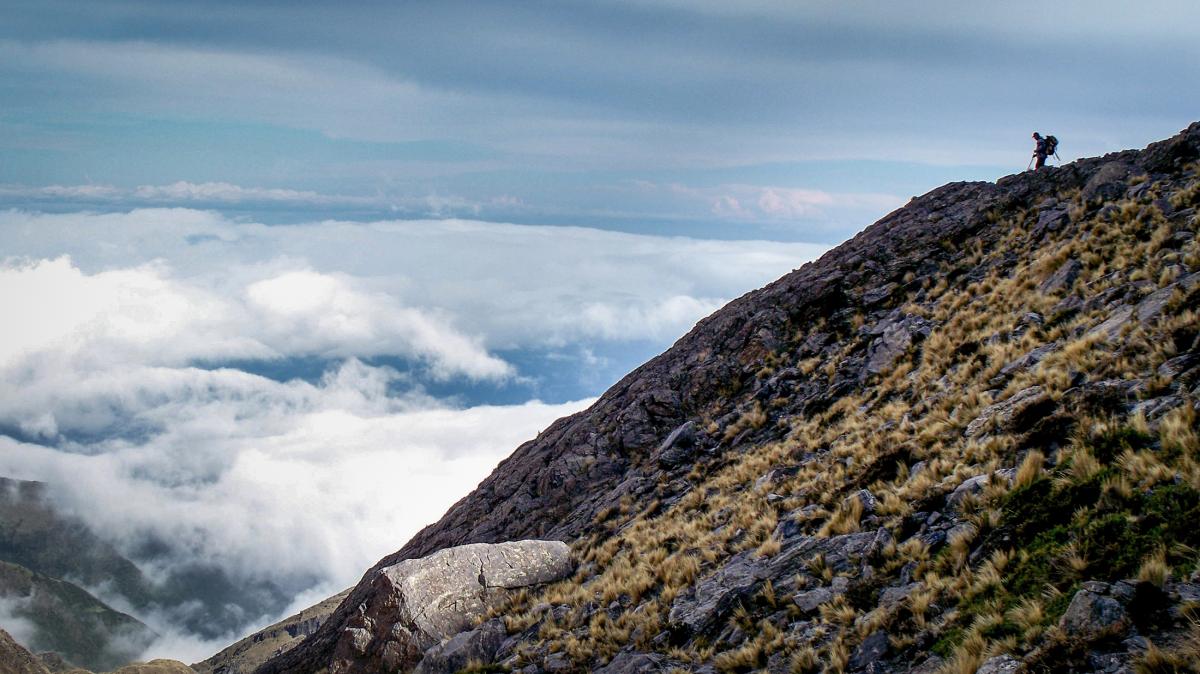
There's a sea of mountains beneath you - on a clear day, you can see all the way to the Pacific Ocean, more than 100 km away.
He spends the summer season leading groups of 8-10 clients to the summit of Aconcagua. At 6960m, it's the highest mountain in the world outside of Asia.
All of the guides and porters on Aconcagua spend long stretches at base camp, at 4200m above sea level and two days' walk from the nearest road.
The surroundings are harsh, made up of rock and loose scree. But there's still a relative level of comfort here, with beds, showers, toilets, a large tent for group meals, and supplies brought up by porters and mules. While the clients relax or sleep, the staff work hard behind the scenes to keep the camp clean and well stocked.
"The day usually starts at 6 in the morning," Roger explains. "We collect water by melting snow and start preparing breakfast for the group. Meals need to be easy to prepare. At high altitude, the boiling point is lower, so food takes longer to cook.
"We don't want to leave anything behind that could harm the environment, so we either pack it all out or burn it. Even the waste from the latrines is flown out by helicopter. The facilities are much more basic at the higher camps."
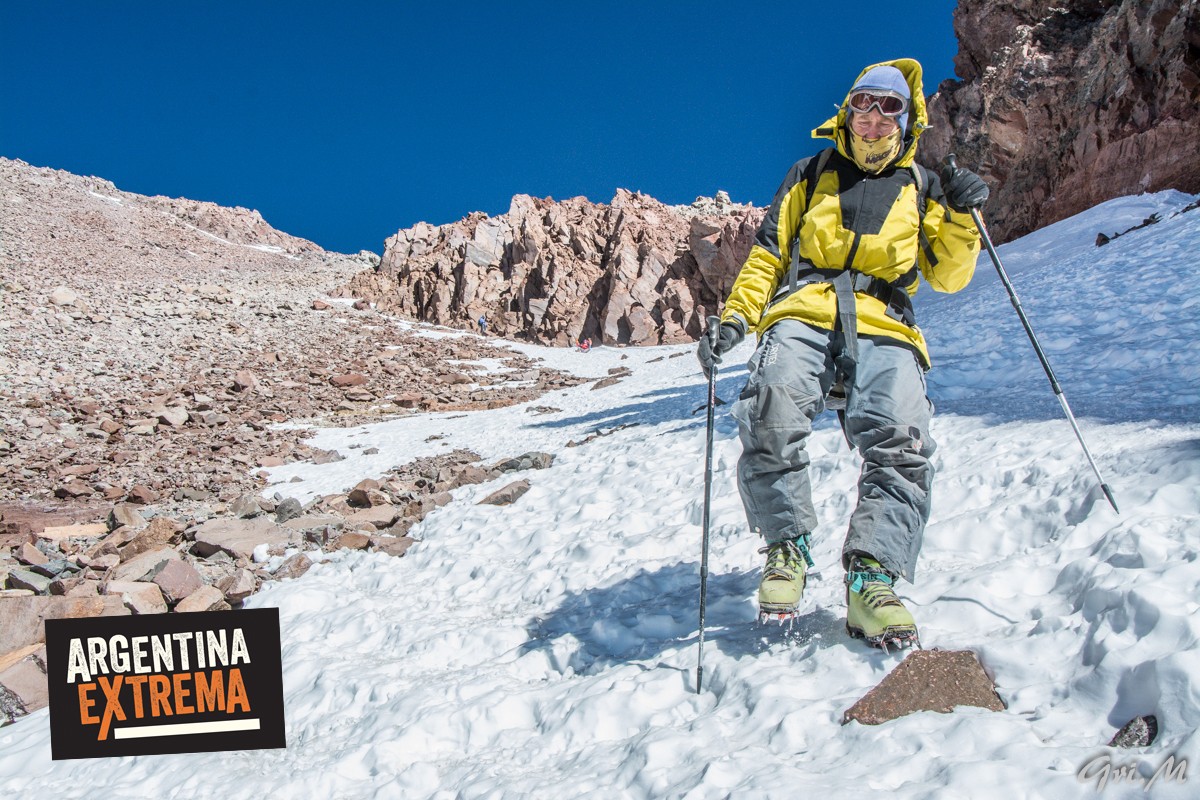
Compared to some of the highest peaks in the world, Aconcagua isn't a technically difficult climb. The 18-day trek doesn't involve any actual climbing, which makes it manageable for people with a good level of physical fitness and for those who can take the time to acclimatize properly.
And although hearing bad news is a serious matter, for those who complete years of intense training to become a mountain guide, these rewards outweigh the risks.